


Economical Electric
GM says it sells the cheapest electric vehicle in the U.S. market. It explains how it made improvements to the entry-level EV while keeping its price down.

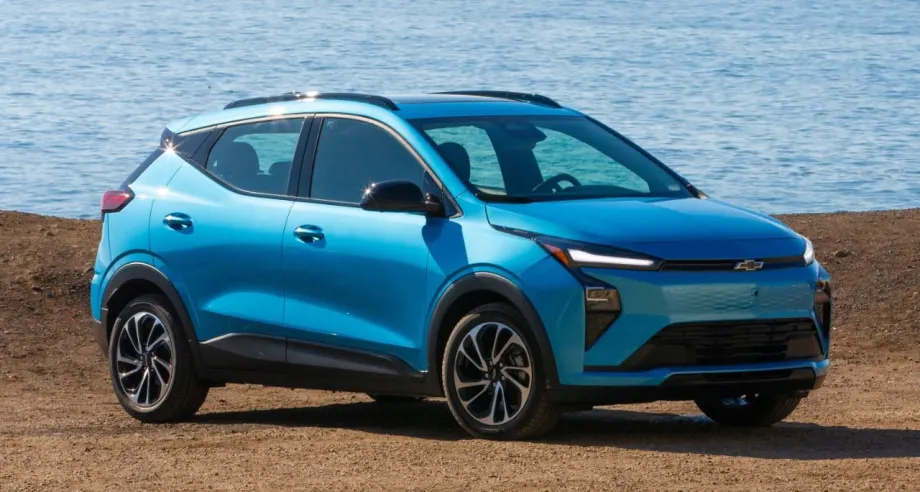
GM says its 2027 Bolt has the lowest asking price of any electric vehicle on the U.S. market, despite it making improvements to the model.
General Motors
General Motors claims to make the least expensive electric vehicle for sale in the U.S.
The 2027 version of the Chevrolet Bolt, GM’ entry-level electric model that went into a year’s hiatus in 2024, will sell for a starting asking price of $28,995.
GM said it improved the Bolt, adding 15 miles of range, faster charging of up to 150 kilowatts, a North American Charging Standard port and more while keeping its price down in an inflated market.
That effort was all the more important after a federal tax credit for EV purchases and leases ended on Oct. 1, eliminating an up to $7,500 savings for consumers. That’s on top of general inflation that’s challenging mass-market shoppers.
Getting there came from leveraging existing GM EV technologies, according to the automaker.
“Everybody thinks you get the [manufacturer's suggested retail price] down by removing content,” said GM Chief Engineer Jeremy Short. “More important than all that is economies of scale. That is by far the most powerful driver in this.”
Short said GM actually saved some money by tapping components and technologies from its greater EV lineup.
The new subcompact crossover Bolt has a larger driver display and touchscreen than previous iterations, taken from midsize GM trucks’ interior components. GM also adapted the Chevrolet Equinox’s wheel-turning power for the Bolt.
Still the Bolt is still the Bolt, GM emphasized.
“The Bolt has a pretty well-defined customer,” Short said. “Trying to sell them something else isn’t necessarily what they’re looking for. This is the best car for their money and the best car for their lifestyle. It does everything they want at the price they want.”
Originally posted on F&I and Showroom
More Industry
Charger Network Growth Slows
Despite a projected increase in public EV chargers in 2026, charging infrastructure remains a top concern for consumers as the gap between the most and least EV-friendly places remains substantial.
Read More →
Lenders, Consumers Take on More Auto Loan Risk
September records loosened credit access the most in over a decade as buyers took advantage of the conditions to afford trading, though loan applications fell.
Read More →
Next-Gen Hybrids in Sight
Dealerships can expect to see revamped hybrids from Honda next year as the company rolls out a new system and model lineup.
Read More →
Gem State Stores Change Hands
A larger auto group founded in the industry’s early years sold two franchises to a neighbor group that's on a growth spurt.
Read More →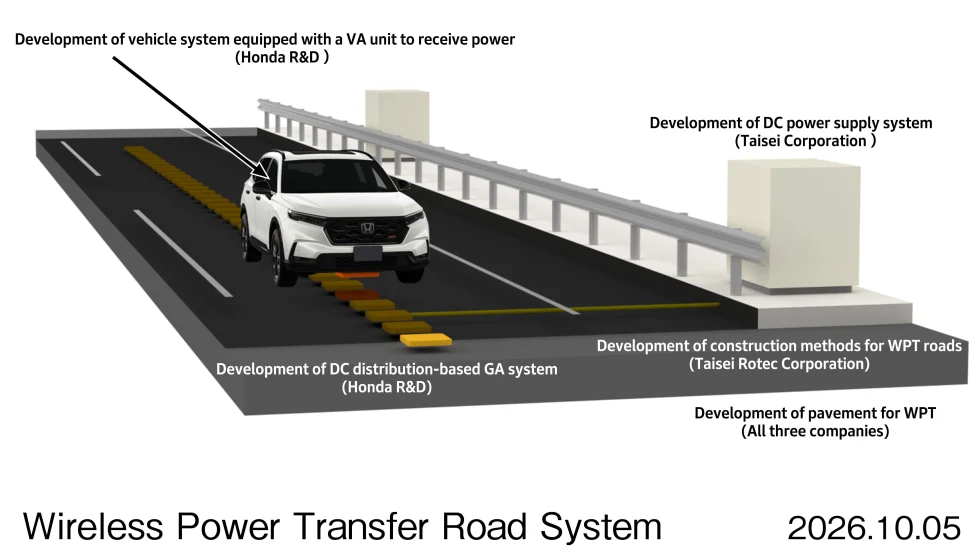
Charging In Motion
Honda has been researching wireless in-motion charging for electric vehicles since 2025, and new technology developments have put it a step closer to a final product.
Read More →
Twin Cities Stores Sell
Minnesota-based Walser Automotive Group made what it called the most significant acquisition in its history with a three-rooftop deal in Minneapolis.
Read More →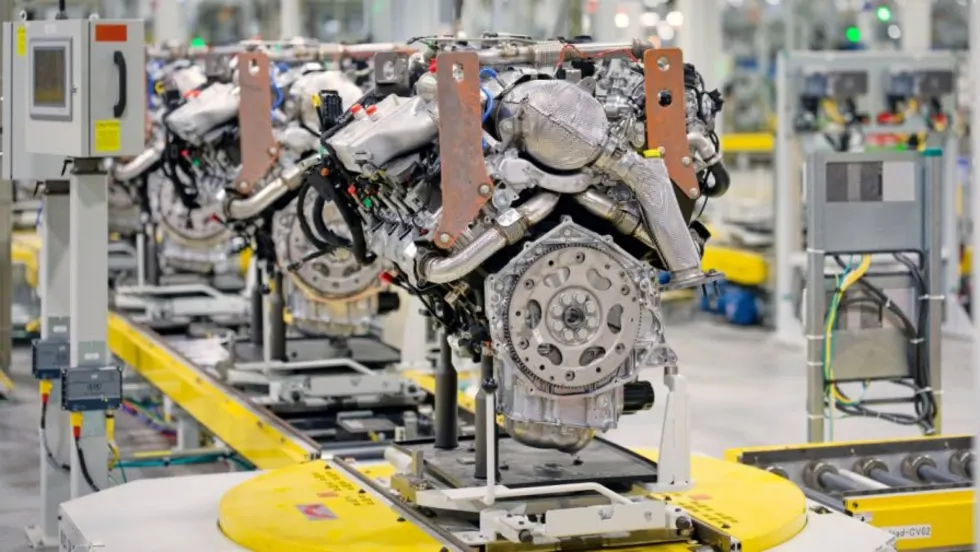
U.S. Auto Sales Still Below Prepandemic Levels
Mobility Global industry observers don’t expect the market to return to the higher volumes that became routine before Covid but to stay well below its potential.
Read More →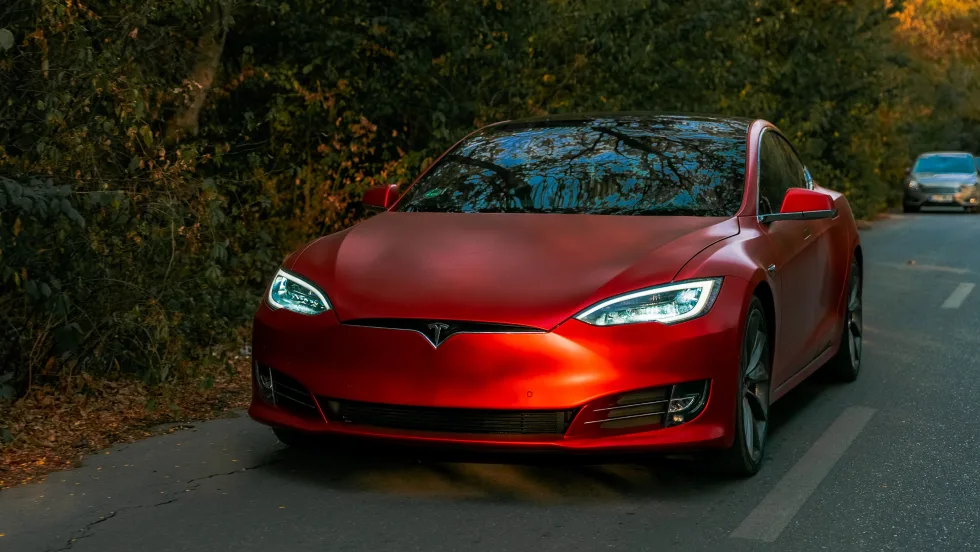
The Powertrain Shift
Electric-vehicle owners are backpedaling, according to new data, with product availability driving many to shift back to gas-powered engines.
Read More →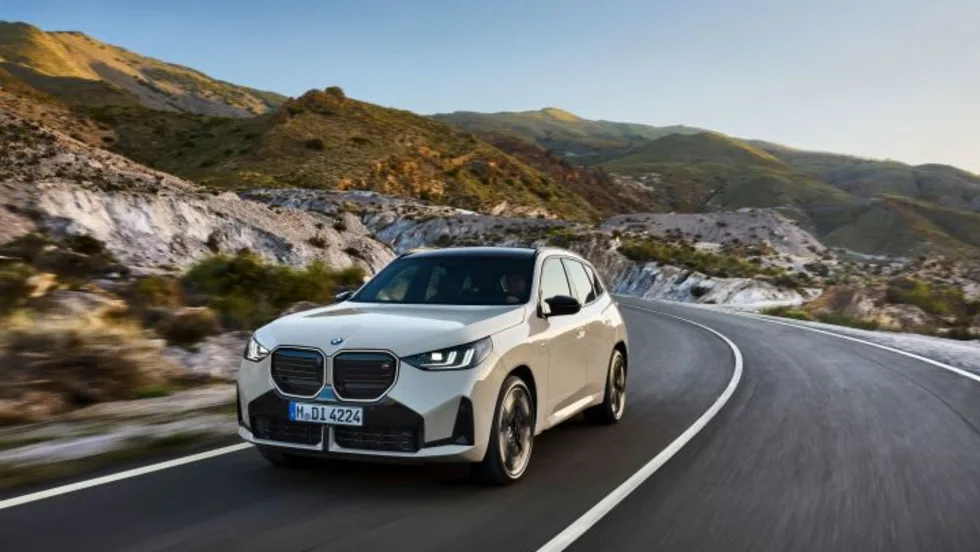
Achromatic Autos
The shades that dominate the U.S. car market don’t call attention to themselves, though grayscale may have plateaued after a 30-year upswing, research shows.
Read More →
Used-Vehicle Affordability Worsens
Listing prices in August defied seasonal trends, rising above $27,000 for the second time this year.
Read More →