


State Franchise Laws Benefit Consumers, Economic Analysis Concludes

WASHINGTON, D.C. — The question of whether state franchise laws protect dealerships at the expense of consumers was addressed in a new economic analysis released today by an independent and nonpartisan think tank. The conclusion: state franchise laws are not protectionist, and they produce lower prices for consumers.
Conducted by the Phoenix Center for Advanced Legal and Economic Public Policy Studies, the analysis sought to answer the question of whether these decades-old laws, which have come under attack in recent years by regulators such as the Federal Trade Commission, still benefit consumers. According to Phoenix Center Senior Fellow Professor T. Randolph Bear and Chief Economist Dr. George S. Ford, the answer remains “Yes.”
“First, the Phoenix Center’s economists demonstrate that state auto franchise laws do not limit competition,” the center stated in its release. “By most expert accounts, there are more than enough dealerships to ensure competition on pricing and servicing, especially for traditionally domestically branded cars. It is also readily acknowledged that new automobiles are sold at scant profit margins, which belies claims of market power.”
The authors said the laws also alter the way consumers buy cars and service their vehicles. “Instead of consumer engaging in one-off transactions with powerful manufacturers, dealerships are in a continual relationship with manufacturers and choose to bundle sales and service in a manner preferred by consumers — but not by manufacturers,” the center noted in its press release. “As a result of this intermediary function played by independent auto dealers, retail car prices are lower for consumers under state auto franchising laws.”
To read the Phoenix Center’s full analysis, click here.
More Industry

Achromatic Autos
The shades that dominate the U.S. car market don’t call attention to themselves, though grayscale may have plateaued after a 30-year upswing, research shows.
Read More →
Used-Vehicle Affordability Worsens
Listing prices in August defied seasonal trends, rising above $27,000 for the second time this year.
Read More →
First-Half Dealership Deals Up
Buy-sell activity shows that acquirers are looking for value and scale as many retailers seek to leave an increasingly competitive and complex market, Kerrigan Advisors reports.
Read More →
Kia Closes Out Summer With a Bang
Its U.S. subsidiary broke multiple records in August, in part due to a surge of demand for hybrids models.
Read More →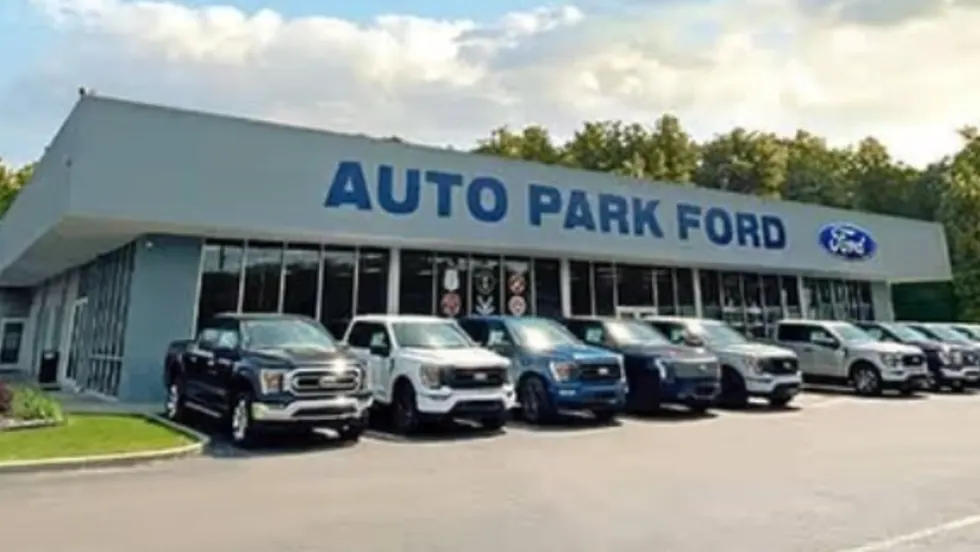
Indiana Dealership Changes Hands
A 30-year-old Ford dealership in Indiana has a new owner and will soon be undergoing renovations to meet manufacturer requirements.
Read More →
Texas Dealership No Longer in the Family
The Ford store, a longtime cornerstone of the Houston market, is now part of one of the fastest-growing U.S. auto groups.
Read More →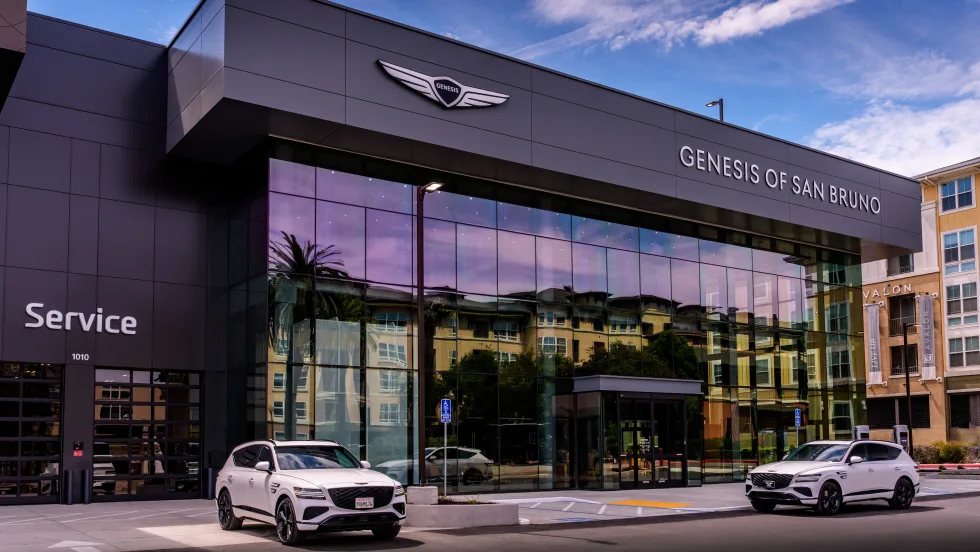
Genesis Grows California Presence
The Cardinale Automotive Group opened its third Genesis rooftop in the Golden State, Genesis of San Bruno, a stand-alone dealership serving the San Francisco Bay Area.
Read More →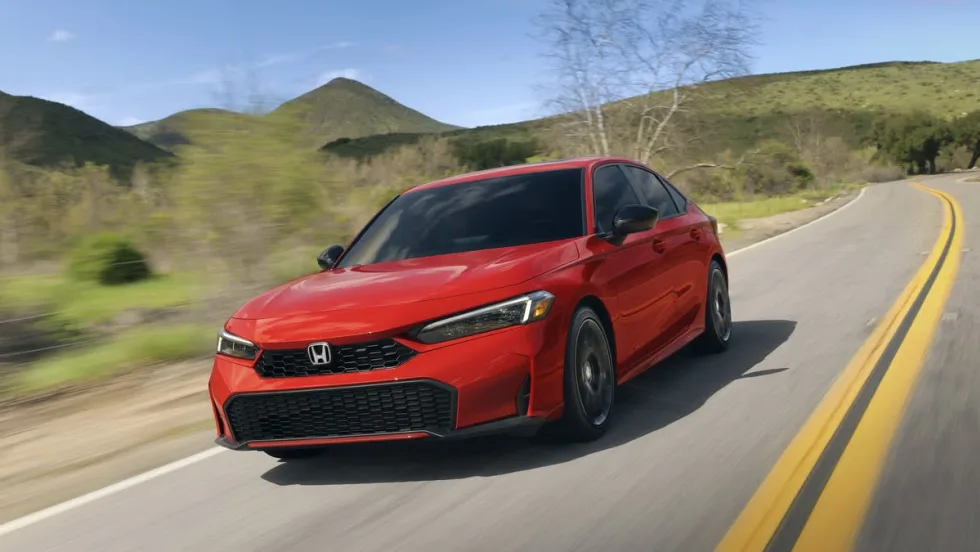
August Auto Sales a Mixed Bag
An early forecast shows strong business despite consumer hurdles, and hybrids are a big piece of their affordability coping strategy.
Read More →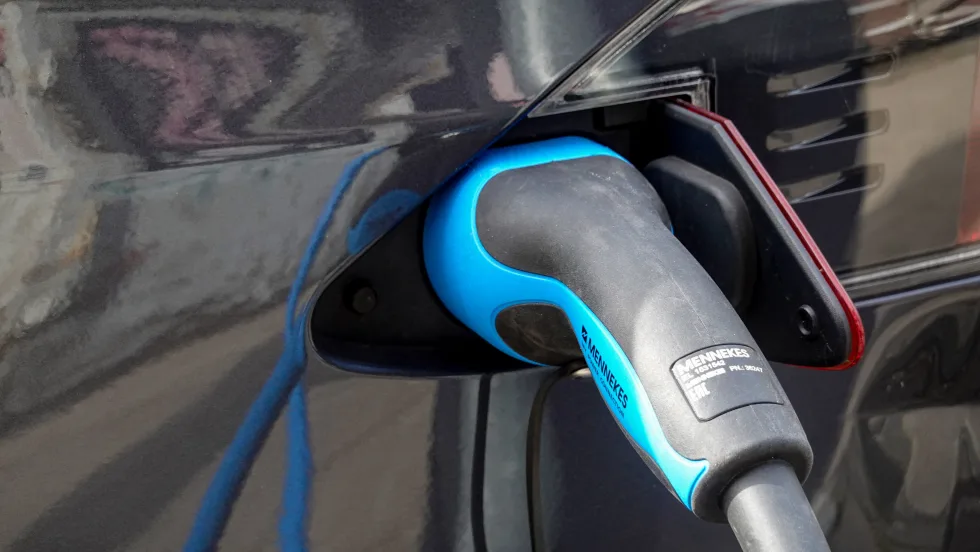
EV Market Humming Along
July sales show steady growth as the segment stabilizes from last year’s artificial surge following pullback of federal support.
Read More →
Auto Loan Delinquency Rates Stabilize
Auto loans are a main driver of nonmortgage consumer debt, but delinquency rates stabilized in the second quarter across all credit risk tiers.
Read More →