


Toyota Chalks Up Record Profit, Vehicle Sales

TOKYO — Toyota chalked up a record annual profit and sales above 10 million vehicles for the first time, but forecast Thursday a slower year ahead as the momentum from a weak yen fades.
Expenses such as the $1.2 billion penalty it paid in a settlement with the U.S. Justice Department earlier this year for hiding information about defects in its cars dented its profit for January-March quarter, according to Toyota.
Toyota, the world’s top automaker, is forecasting a 1.78 trillion yen ($17.5 billion) profit for the fiscal year through March 2015.
That’s lower than what the company recorded for the fiscal year just ended, when its profit almost doubled to a record 1.82 trillion yen ($17.9 billion) from 962 billion yen the previous year.
Annual sales jumped 16 percent to 25.69 trillion yen ($252 billion), helped by a weak yen which aids Japanese exporters and thanks to growth in the U.S., Europe, Japan and the rest of Asia. The yen perk is likely transitory as the currency isn’t expected to weaken indefinitely.
Toyota believes Japan sales were inflated in recent months as consumers rushed to buy ahead of a tax increase that kicked in April 1, so that such growth won’t hold up during the current fiscal year.
Still, the company is on a roll.
The maker of the Prius hybrid, Lexus luxury model and Camry sedan became the first automaker to sell more than 10 million vehicles in a 12 month period, with sales totaling 10.13 million vehicles around the world for the fiscal year ended March. It also expects to surpass the 10-million milestone for the current calendar year.
It is expecting solid growth to continue, hoping to sell 10.25 million vehicles globally for the fiscal year through March 2015.
Highlighting the Japanese automaker’s ambitions, it noted that extra costs including research and development expenses were a factor in reducing its January-March profit to 297 billion yen ($2.9 billion) from 313.9 billion yen a year earlier.
Quarterly sales rose 12.5 percent to 6.57 trillion yen ($64.5 billion).
It also said costs related to closing its auto plant in Australia cut into profits.
Toyota has bounced back from a massive recall crisis that began in late 2009, which tarnished its reputation.
But there was a moment of deja vu last month when it announced a recall of 6.4 million vehicles globally, for a variety of problems spanning nearly 30 models in Japan, North America, Europe and other places. Some vehicles were recalled for more than one problem.
Toyota has been trying to put the recall mess behind it, with the $1.2 billion settlement it reached with the U.S. Justice Department. It earlier paid fines of more than $66 million for delays in reporting unintended acceleration problems.
The National Highway Traffic Safety Administration never found defects in electronics or software in Toyota cars, which had been targeted as a possible cause.
Even more of a threat than recalls could be the fierce competition Toyota faces in key global markets from Volkswagen of Germany and Hyundai of South Korea, as well as U.S. automakers such as General Motors and Ford Motor.
Toyota sold fewer vehicles in North American for January-March at 567,000 vehicles compared to the same period the previous year at 603,000 vehicles.
But it is making up for such losses in other markets.
A weak yen also helped earnings at Honda Motor., which last week said that January-March net profit totaled 170.5 billion yen ($1.67 billion), up from 75.7 billion yen the year before.
Honda sold nearly 1.2 million vehicles worldwide during the quarter, also helped by demand ahead of the Japanese tax rise. It is forecasting a 4 percent rise in annual profit to 595 billion yen ($5.8 billion).
Although the dollar soared to about 100 yen during the past fiscal year from about 80 yen the fiscal year before that, it’s unlikely to keep rising at that pace, to 120 yen, for instance.
Nissan, allied with Renault of France, releases results Monday.
More Industry
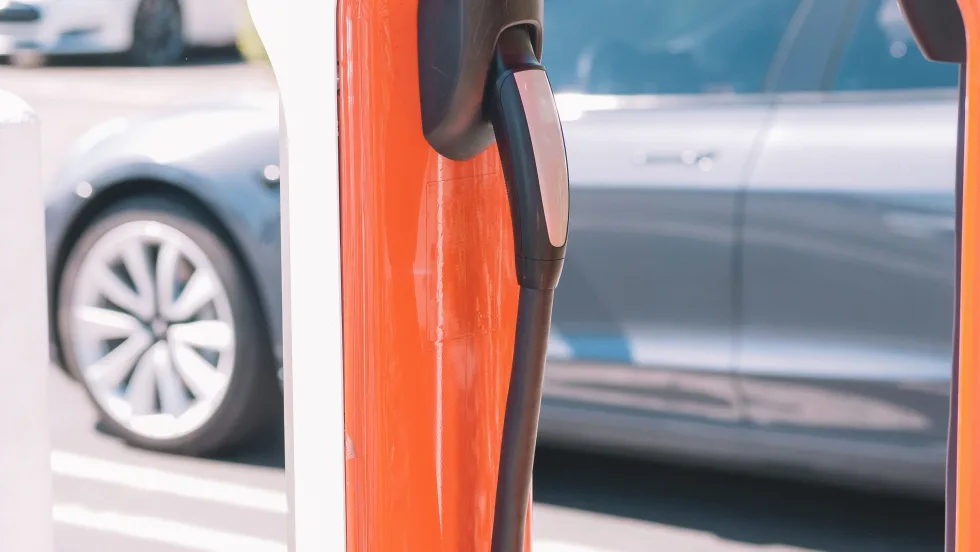
Charger Network Growth Slows
Despite a projected increase in public EV chargers in 2026, charging infrastructure remains a top concern for consumers as the gap between the most and least EV-friendly places remains substantial.
Read More →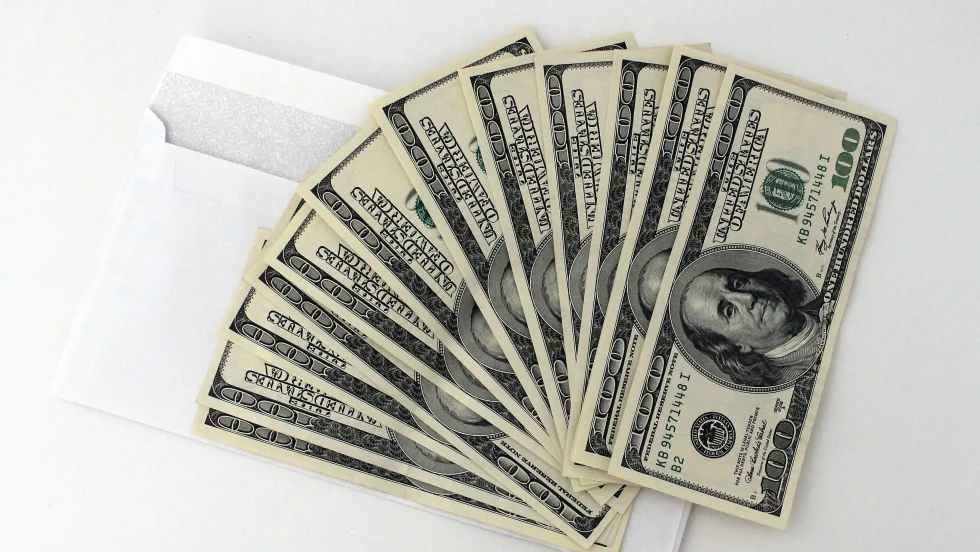
Lenders, Consumers Take on More Auto Loan Risk
September records loosened credit access the most in over a decade as buyers took advantage of the conditions to afford trading, though loan applications fell.
Read More →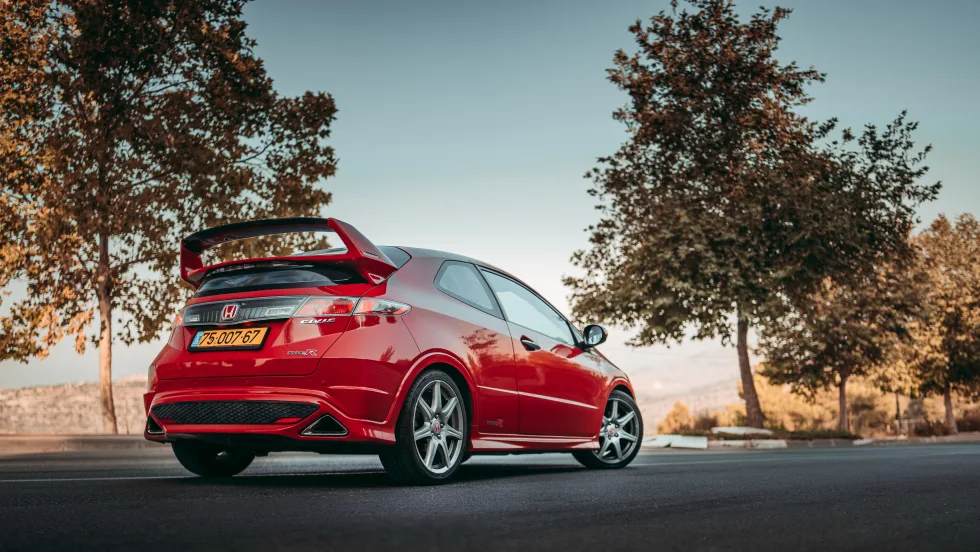
Next-Gen Hybrids in Sight
Dealerships can expect to see revamped hybrids from Honda next year as the company rolls out a new system and model lineup.
Read More →
Gem State Stores Change Hands
A larger auto group founded in the industry’s early years sold two franchises to a neighbor group that's on a growth spurt.
Read More →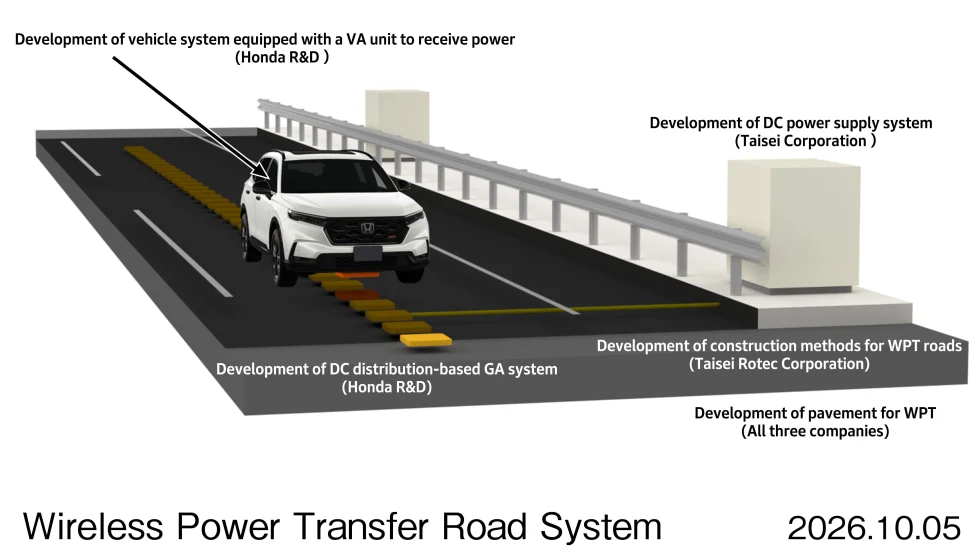
Charging In Motion
Honda has been researching wireless in-motion charging for electric vehicles since 2025, and new technology developments have put it a step closer to a final product.
Read More →
Twin Cities Stores Sell
Minnesota-based Walser Automotive Group made what it called the most significant acquisition in its history with a three-rooftop deal in Minneapolis.
Read More →
U.S. Auto Sales Still Below Prepandemic Levels
Mobility Global industry observers don’t expect the market to return to the higher volumes that became routine before Covid but to stay well below its potential.
Read More →
The Powertrain Shift
Electric-vehicle owners are backpedaling, according to new data, with product availability driving many to shift back to gas-powered engines.
Read More →
Achromatic Autos
The shades that dominate the U.S. car market don’t call attention to themselves, though grayscale may have plateaued after a 30-year upswing, research shows.
Read More →
Used-Vehicle Affordability Worsens
Listing prices in August defied seasonal trends, rising above $27,000 for the second time this year.
Read More →