


Speed the Sales Process, Sell More Cars
CDK research finds customer satisfaction improves when dealers keep the sales process to less than two hours.

One way dealers can speed up the process is by addressing vehicle-delivery times.
Pexels/Erik McIean
The primary objective of a dealership is, undoubtedly, to sell vehicles. However, when mismanaged, the endeavor can leave customers with a less-than-favorable impression of the business.
Customers’ chief complaints are dealing with multiple people, enduring long waits, and a lack of transparency. As expressed by TJ Joyce, general manager at Schomp Subaru of Aurora (Colo.) “They often feel like the dealer is making them wait to wear them down so they will buy more than they intended just to get the deal done."
According to Schomp, the enjoyable part of the process for customers ends when they say yes. Once there, they are met with paperwork and agreeing to payment terms. Yet all they desire is a speedy exit with their new cars.
Schomp Subaru pledges to swiftly complete paperwork, ensuring customers can hit the road within an hour after selecting a vehicle and agreeing to sale terms. The dealership has successfully discovered a way to simplify and expedite the cumbersome post-sale process to elevate the customer experience.
However, it departs from the normal for many dealerships, says Dave Thomas, director of content marketing and an automotive industry analyst at CDK Global. He says CDK’s first Vehicle Ease of Purchase Survey, which has tracked the customer experience from month to month since October 2022, found that many dealerships have yet to make that important discovery.
CDK’s data shows the time to complete a transaction hasn’t improved over the past year. In fact, Thomas says the number of transactions completed in less than two hours have decreased from the first survey.
The research highlights a critical area for improvement in the automotive retail industry, where he says customer satisfaction could be substantially enhanced by streamlining and enhancing the entire purchasing experience.
Excessive Transaction Times
Thomas, who’s worked in the automotive industry for almost 20 years, has found that consumers rely heavily on dealers to find vehicles that suit their budget and lifestyle.
He said current research echoes the findings. “Despite the expansion of the direct-to-consumer model across the U.S., consumers still prefer the brick-and-mortar experience. This focus is strongest among first-time buyers, with 70% of customers relying on local auto retailers to complete the entire journey at the dealership.”
Customers then expect the transaction process to be easy. Overall, dealers also seem to meet that charge, he says. CDK’s Ease of Purchase score has averaged 83% since the analyst began surveying car buyers last year.
However, Thomas says there are warning signs that show a need to improve the customer experience. Over 54% of shoppers in its September survey expressed dissatisfaction after spending over three hours on the process, he says.
Thomas says the findings show it behooves automotive retailers to focus on shortening transaction times to fewer than two hours.
CDK, when it researched transaction times in its 2023 Friction Points Study, discovered two or fewer hours is the sweet spot if dealers want to maintain their Net Promoter Score. NPS is a key measure of customer loyalty calculated on answers to a question posed to every customer: On a scale of one to 10, how likely is it you will recommend this company to a friend or colleague?
Improving the car-buying process and shortening it can significantly “boost a buyer’s NPS score and ensure life-long customers for sales and service,” he says. “But once the process hits the three-hour mark, their NPS score starts to drop.”
Remove Friction Points
The Friction Points Study found customers cite time waiting for the finance-and-insurance office as the biggest problem. According to the study, 59% reported waiting over 30 minutes for an F&I manager.
“Dealers have staffed up their F&I offices since the pandemic and shifted manpower from sales to F&I, but it’s still a wait,” Thomas says. “A person comes in after a test drive, agrees on price, and then they sit in the office waiting for F&I.”
Thomas suggests dealers use the wait more productively. It’s an opportune time, he says, to share what to expect when they meet with the F&I manager. Maybe also give customers a cheat sheet to read or forms to fill out to shorten the time spent in F&I.
Another point of friction is a disconnect between the digital and in-person processes. Thomas says connected digital technologies are necessary to eliminate that issue, as customers still prefer to do their research online before finalizing their purchases at the store.
“Dealer software doesn’t always do that,” he says. “But it’s important so customers are not typing in their Social Security or driver’s license number multiple times. Connected digital technologies ensure what they did online only happens once. This transition also improves when dealers are up-to-date on the latest processes and workflows.”
He says well-trained personnel can prevent the disconnect and expedite the entire process. “Take advantage of every training opportunity your F&I providers offer you. Make sure you are using the latest workflows you can.”
Dealers could also speed up the process by addressing vehicle-delivery times. “Don’t sleep on delivery. Make sure you know when and who is going to complete that process. Don’t leave the customer with a sore spot there. That will be the last impression they have of you before they drive away.”
Schomp employs what it calls Subaru specialists, who are experts in delivering the car. “Our Subaru specialists sit with customers and educate them on all of their vehicle’s features,” Joyce says. “That speeds up the delivery process and frees our client advisers to move on to the next guest.”
Joyce emphasizes the importance of transparency with using time effectively. “People have never liked price negotiations and trade negations that become contentious. Transparency usually equates to speed, and that’s what customers prefer.”
Schomp has adopted a fixed-price system to eliminate the need for haggling. While that step may not be possible at every dealership, the model injects transparency into the process, according to Joyce.
“Having one price doesn’t always mean it’s the best price. It just means I’m transparent. I’m telling them upfront what the car will cost, and they are not jumping through hoops to arrive at the final price.”
Combat Inventory Issues
The CDK Ease of Purchase survey discovered dealerships are still grappling with vehicle inventory problems, though they’ve improved.
Its research found that last year:
36% of buyers reported finding the vehicle they wanted in stock in January.
52% of buyers reported finding the vehicle they wanted in stock in February
Highs and lows aside, the average for the 12 months ended in September was 44%, which Thomas says is still remarkably low compared to historic normals.
Buying a vehicle in transit is a trend that emerged during the pandemic and one he says is here to stay. He points out that the number of consumers buying vehicles in transit has ranged from 19% and 30% since CDK began measuring it, the average for the year at 26%.
“Though we didn’t track this before the pandemic, we all know the numbers wouldn’t have been this high.”
CDK said November’s high inventories led to more people finding the car they wanted in stock, more so than in 2022. But it said far fewer buyers,46%, found the car they wanted in stock compared to October, at 52%, and in-transit vehicles therefore rose.
Thomas says he believes the autumn United Auto Workers strike, as long as it was, didn’t impact shopping the way more people thought it would.
“The production ramp-up before the strike actually led to too much inventory on dealer lots. It also came when many models turn over to 2024, when supply is naturally in flux. To even a savvy consumer, they probably couldn’t point to a difference from their previous shopping experience due to the strike.”
Dealers must be ready to present customers with their inventory options and pivot to in-transit or factory-direct purchases when what they want can’t be found on their lots. That, too, will help speed transaction times and customer satisfaction.
Ronnie Wendt is an editor at Auto Dealer Today.
Originally posted on Auto Dealer Today
More Industry
Charger Network Growth Slows
Despite a projected increase in public EV chargers in 2026, charging infrastructure remains a top concern for consumers as the gap between the most and least EV-friendly places remains substantial.
Read More →
Lenders, Consumers Take on More Auto Loan Risk
September records loosened credit access the most in over a decade as buyers took advantage of the conditions to afford trading, though loan applications fell.
Read More →
Next-Gen Hybrids in Sight
Dealerships can expect to see revamped hybrids from Honda next year as the company rolls out a new system and model lineup.
Read More →
Gem State Stores Change Hands
A larger auto group founded in the industry’s early years sold two franchises to a neighbor group that's on a growth spurt.
Read More →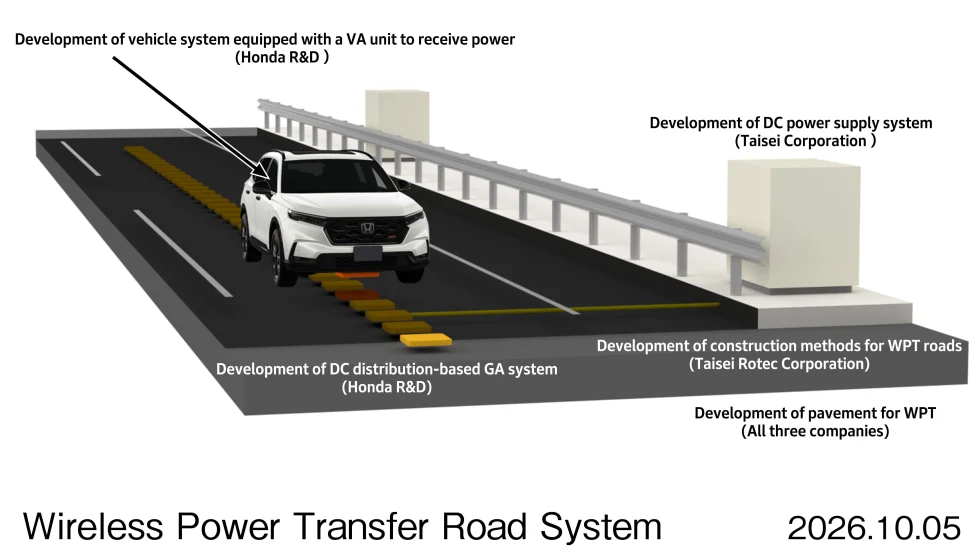
Charging In Motion
Honda has been researching wireless in-motion charging for electric vehicles since 2025, and new technology developments have put it a step closer to a final product.
Read More →
Twin Cities Stores Sell
Minnesota-based Walser Automotive Group made what it called the most significant acquisition in its history with a three-rooftop deal in Minneapolis.
Read More →
U.S. Auto Sales Still Below Prepandemic Levels
Mobility Global industry observers don’t expect the market to return to the higher volumes that became routine before Covid but to stay well below its potential.
Read More →
The Powertrain Shift
Electric-vehicle owners are backpedaling, according to new data, with product availability driving many to shift back to gas-powered engines.
Read More →
Achromatic Autos
The shades that dominate the U.S. car market don’t call attention to themselves, though grayscale may have plateaued after a 30-year upswing, research shows.
Read More →
Used-Vehicle Affordability Worsens
Listing prices in August defied seasonal trends, rising above $27,000 for the second time this year.
Read More →