


Auto Leases Fell in 2022
TransUnion research finds a lack of inventory and low interest rates turned consumers away from leasing new cars and trucks over an 11-month period.

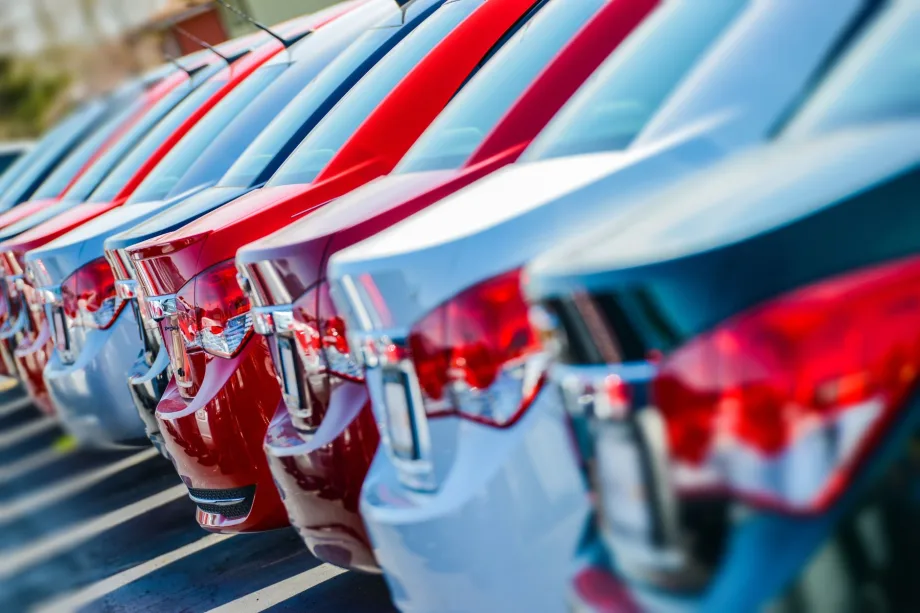
TransUnion research finds a lack of inventory and low interest rates turned consumers away from leasing new cars and trucks over an 11-month period.
IMAGE: Getty Images
TransUnion research finds a lack of inventory and low interest rates turned consumers away from leasing new cars and trucks over an 11-month period.
The trend eroded brand loyalty and erased dealer profits. But today, there are signs that it’s reversing.
The auto lease market dropped by almost half from 31% in January 2020 to 17% in July 2022, over twice the decrease in auto financing over the same period, reported TransUnion. This finding matches research from Cox Automotive/Kelley Blue Book which reported leasing's share of the market dropped from 31% in 2019 to 20% in 2022.
The study, which examined the behavior of 3.8 million consumers who terminated a lease between July 2021 and June 2022, also shared that leasing customers were ending their leases earlier. The research cited that as production cutbacks trimmed inventories, leases gained value over the residual values negotiated at the start of the lease.
Consumers had choices, according to Satyan Merchant, senior vice president and automotive business leader at TransUnion. When faced with the choice of whether to get a new lease, consumers found new vehicles were not available. Many decided to keep the vehicle because it was at a higher value and buy out the lease, then sold the vehicles in the U.S. market for an instant profit, he noted.
Indeed, the study showed most consumers didn’t wait for their lease to end to move on.
Of those who ended leases in 2022, 26% did so six or more months prior to the lease’s expected termination date, an increase of nearly 63% since 2019, according to TransUnion. Just 7% of lessees ended their auto leases two or more months after the expected lease termination date, down from 15% in 2019.
Also, as lack of inventory drove up prices for new and used vehicles, dealers also had choices. They could sell the vehicle for more money to customers willing to pay cash or over MSRP, Merchant noted.
Though outright sales translated into instant profit, dealers lost a valuable revenue stream because lease customers are more loyal, returning again and again for service and subsequent purchases.
TransUnion’s research found lease-to-lease loyalty increased for both manufacturer and make since 2019, while lease-to-loan loyalty declined during that period. According to research only 41% of households that went from a lease to a loan purchased a vehicle of the same make in the first seven months of 2022. And often, customers bought or purchased a vehicle outside their home market because that’s where their vehicle of choice was available, but chose to have it serviced at their neighborhood dealership.
Dealers depend on what Merchant terms the “flywheel of the lease.” That’s when consumers lease a vehicle, and the dealer knows they will come back to them for service. When it’s time to trade in the vehicle, the lessee will return to that dealer and likely enter a new lease or at minimum, discuss one with the dealer.
Still, Merchant predicts a rebound of leasing in 2023. Inventories are up as are interest rates and inflation. He notes, “even as vehicle prices are coming down, we're still seeing average monthly payments go up and that's because of those interest rates largely. So this is another big benefit of a lease program for the consumer.”
Cox Automotive Chief Economist Jonathan Smoke echoes Merchant’s sentiments. He predicted leasing will increase to 23% of the retail market this year.
Originally posted on Auto Dealer Today
More Industry
Badger State Dealership Gets New Owner
The longtime southern Wisconsin store moved from one area auto group to another, keeping the business in Dairyland.
Read More →
The Cycle of Negative Equity
Third-quarter data shows consumers still rolling over debt and stretching loan terms, raising their risk of remaining underwater.
Read More →
Charger Network Growth Slows
Despite a projected increase in public EV chargers in 2026, charging infrastructure remains a top concern for consumers as the gap between the most and least EV-friendly places remains substantial.
Read More →
Lenders, Consumers Take on More Auto Loan Risk
September records loosened credit access the most in over a decade as buyers took advantage of the conditions to afford trading, though loan applications fell.
Read More →
Next-Gen Hybrids in Sight
Dealerships can expect to see revamped hybrids from Honda next year as the company rolls out a new system and model lineup.
Read More →
Gem State Stores Change Hands
A larger auto group founded in the industry’s early years sold two franchises to a neighbor group that's on a growth spurt.
Read More →
Charging In Motion
Honda has been researching wireless in-motion charging for electric vehicles since 2025, and new technology developments have put it a step closer to a final product.
Read More →
Twin Cities Stores Sell
Minnesota-based Walser Automotive Group made what it called the most significant acquisition in its history with a three-rooftop deal in Minneapolis.
Read More →
U.S. Auto Sales Still Below Prepandemic Levels
Mobility Global industry observers don’t expect the market to return to the higher volumes that became routine before Covid but to stay well below its potential.
Read More →
The Powertrain Shift
Electric-vehicle owners are backpedaling, according to new data, with product availability driving many to shift back to gas-powered engines.
Read More →