


Be on the Lookout for Fake Coronavirus Tracking Sites Infecting IT Systems
Hackers are leveraging the popularity of these tracking maps to steal usernames, passwords, credit card numbers, browsing history, cookies and other information stored in users’ browsers.


Hackers are leveraging the popularity of these tracking maps to steal usernames, passwords, credit card numbers, browsing history, cookies and other information stored in users’ browsers.
Image by Gerd Altmann from Pixabay
NADA – With everyone tracking the global spread of the coronavirus, a new threat has emerged; Hackers have found a way to use popular COVID-19 tracking dashboards on medical websites to inject malware into users’ computers.
Hackers are leveraging the popularity of these tracking maps to steal usernames, passwords, credit card numbers, browsing history, cookies and other information stored in users’ browsers.
How Hackers Attack Computers
Attackers put up websites related to COVID-19 and prompt users to download an application that allows them to stay up-to-date on the pandemic. While a map highlighting how COVID-19 is spreading across the globe, the application doesn’t need to be installed despite a prompt asking users to do so. As users view what appears to be a legitimate website, the application launches a malicious binary file and installs it on the user’s computer.
The attack method uses malicious software known as AZORult, which originated in Russia approximately four years ago. AZORult not only steals data from computers but also infects them with other malware. A new variant of AZORult installs a secret administrative account on computers to perform remote attacks. As it stand, this malware only affects Windows machines, but other operating systems are likely to be included soon.
While it is important to stay up-to-date on COVID-19, users should only view dashboards from legitimate sources. such as those operated by John Hopkins University or the Centers for Disease Control and Prevention (CDC), to avoid getting hacked. Additionally, users should not click links in unsolicited emails that promise updates about the coronavirus.
Originally posted on F&I and Showroom
More Product & Technology

Integrating AI Into Your Admin System
It’s important for finance-and insurance administrators to build the technology into their existing systems instead of bolting it on.
Read More →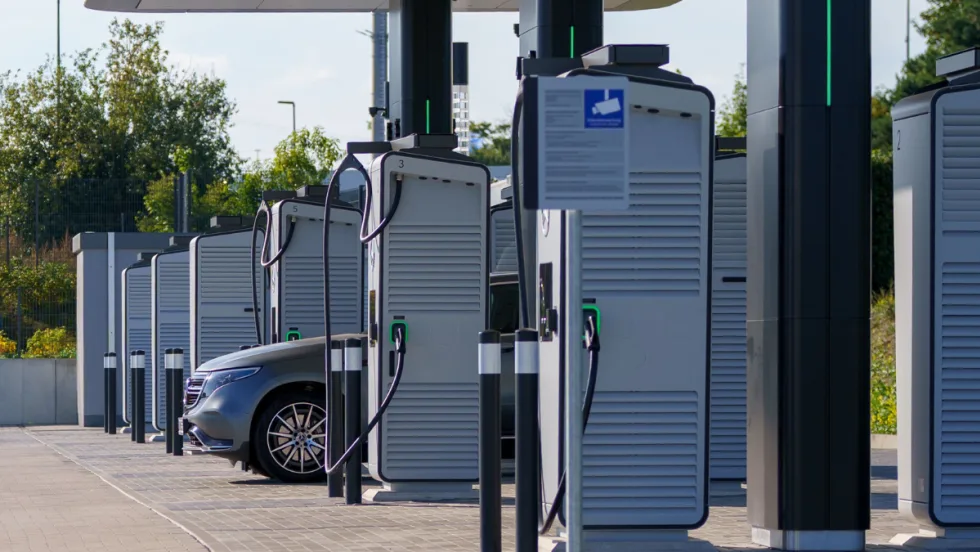
Public EV Charging Improves
The infrastructure buildout in the U.S. is providing more availability and safety at a better cost, according to the latest EV experience study by JD Power.
Read More →
AI in the Dealership
A Cox Automotive poll shows most dealers use it, but only some have found the smartest ways to adapt the surging technological sensation.
Read More →
AAA Honors Service and Repair Facilities
Three automotive dealerships made AAA's Service Providers of Excellence and Best in Repair list this year.
Read More →
EFG Launches Product Admin Platform
The company says the offering is designed to empower administrators, service contract providers, and product marketers to expand automotive and power-sports capabilities.
Read More →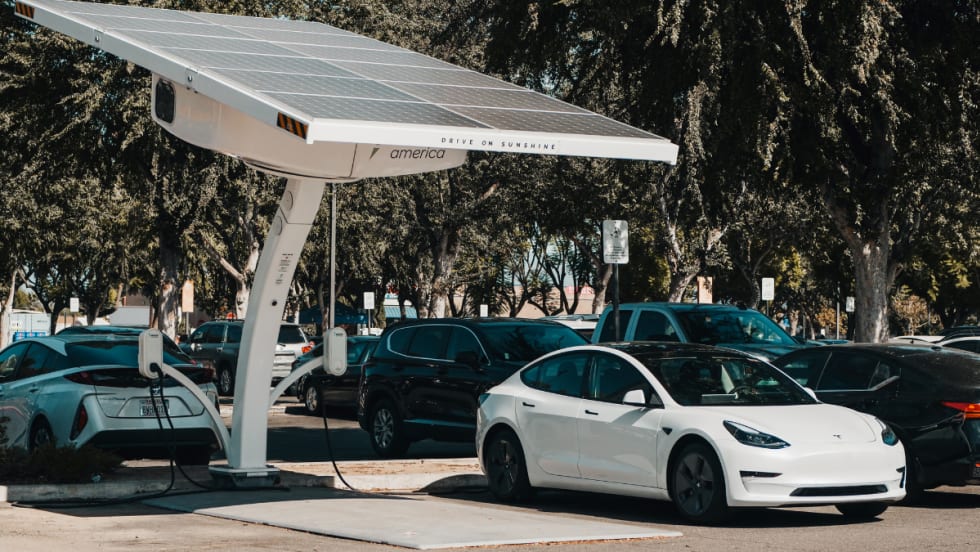
Optimized Charging Could Reduce Costs
According to an Alliance for Automotive Innovation analysis, optimized EV charging could cut costs for drivers and improve grid infrastructure - potential adoption incentives.
Read More →
From Inspection to Impact
Data, video and artificial intelligence are driving service performance today, when inspection performance is closely tied to key business outcomes.
Read More →
Car Karaoke Gets Official Platform
The in-vehicle karaoke and sing-along platform by Samsung arm is meant to add traveling enjoyment safely in technology that automakers can tailor to their specific needs.
Read More →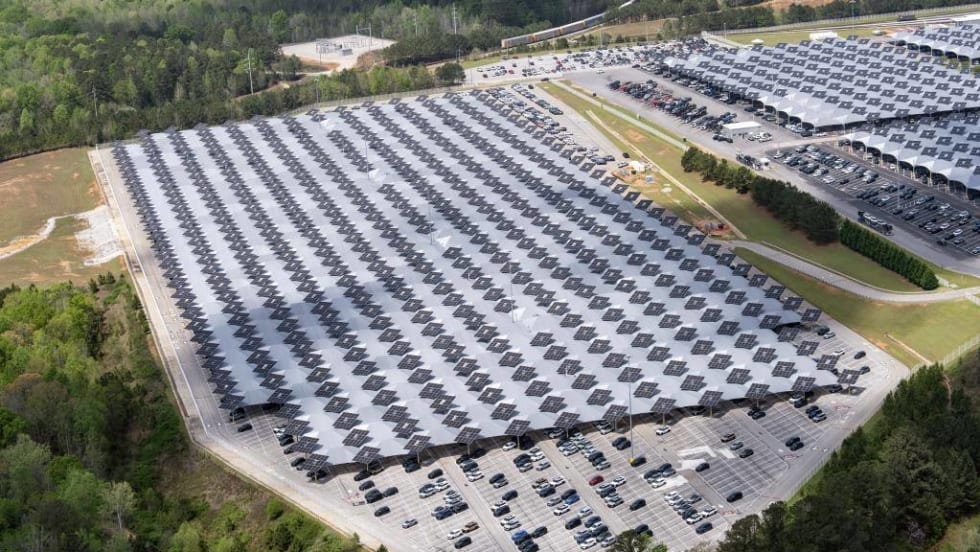
Kia Embraces Clean Energy
A Kia Georgia partnership combines weather protection and renewable energy in a new solar canopy system at Kia’s West Point facility.
Read More →
Honda-Sony Venture Dismantled
For nearly four years, the companies had worked toward the launch of the electric-vehicle brand’s first two models, but the shifting EV market scuttled the plans.
Read More →