


Black Book’s Used Vehicle Retention Index Continues to Increase
The seasonally adjusted Retention Index moved up by 0.6% – the lowest rate of increase since July – reaching 197.0 points during the first month of 2022.

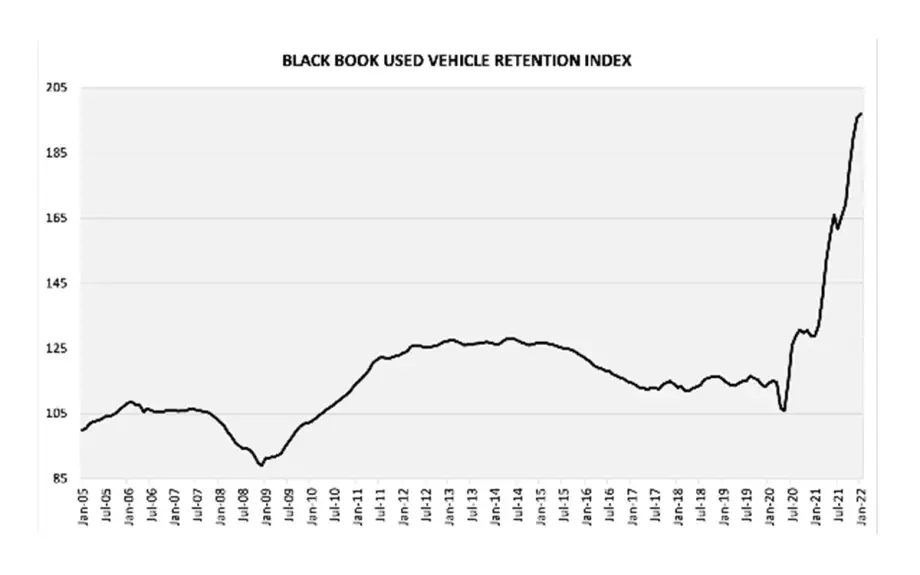
The seasonally adjusted Retention Index moved up by 0.6% – the lowest rate of increase since July – reaching 197.0 points during the first month of 2022.
LAWRENCEVILLE, Georgia – Black Book, a division of Hearst that provides industry-leading used vehicle valuation and residual value forecast solutions, today released its Used Vehicle Retention Index for January 2022. The Index increased to 197.0 points, a 1.3 point (or 0.64%) increase from December of 2021 (195.7). The Index currently stands 53% above where it was at the same time in 2021 and 72% above January 2020 (right before the pandemic started).
“During the first month of 2022, we continued to see declines in wholesale prices in most segments, but at a slower rate than historical data. That led to a small increase in the overall monthly seasonally adjusted retention index,” said Alex Yurchenko, Chief Data Science Officer at Black Book. “Some of the segments experienced a larger than typical January drop (like Mid-Size Cars and Full-Size Pickups), but we also saw continued strength in Van (of all sizes) segments. We expect a stable wholesale market in February as the industry prepares for the tax buying season.”
The Black Book Used Vehicle Retention Index is calculated using Black Book’s published Wholesale Average value on two- to six-year-old used vehicles, as percent of original typically equipped MSRP. It is weighted based on registration volume and adjusted for seasonality, vehicle age, mileage, and condition. The Index offers an accurate, representative, and unbiased view of the strength of today’s used vehicle market values.
Originally posted on Auto Dealer Today
More Industry
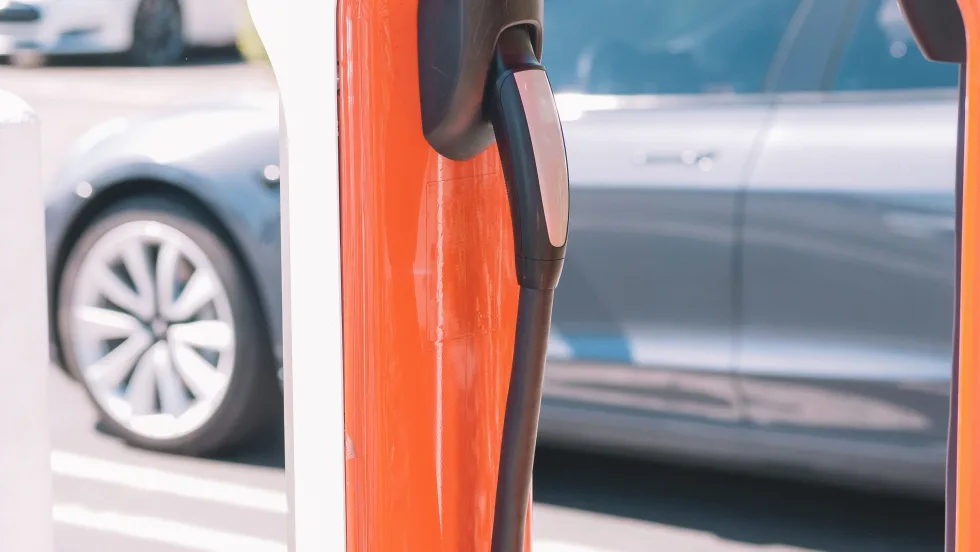
Charger Network Growth Slows
Despite a projected increase in public EV chargers in 2026, charging infrastructure remains a top concern for consumers as the gap between the most and least EV-friendly places remains substantial.
Read More →
Lenders, Consumers Take on More Auto Loan Risk
September records loosened credit access the most in over a decade as buyers took advantage of the conditions to afford trading, though loan applications fell.
Read More →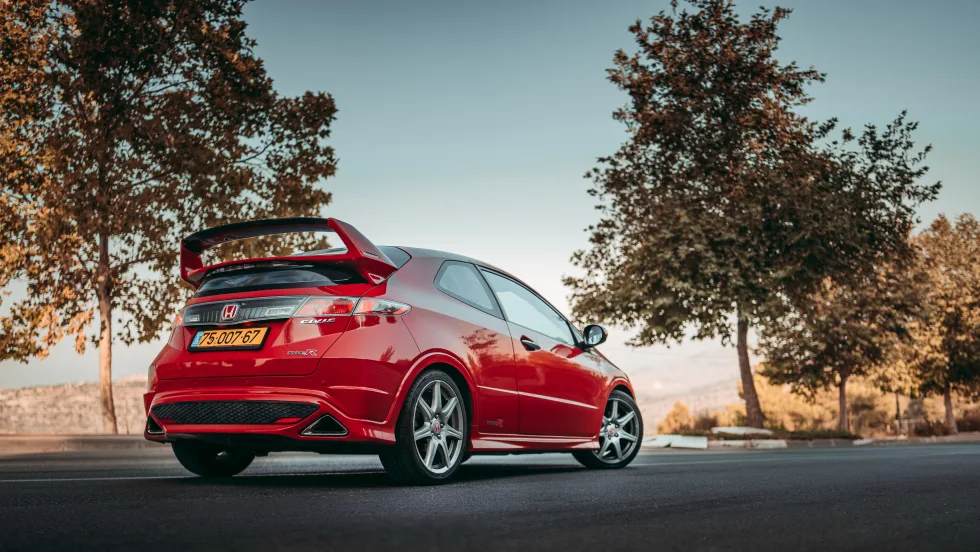
Next-Gen Hybrids in Sight
Dealerships can expect to see revamped hybrids from Honda next year as the company rolls out a new system and model lineup.
Read More →
Gem State Stores Change Hands
A larger auto group founded in the industry’s early years sold two franchises to a neighbor group that's on a growth spurt.
Read More →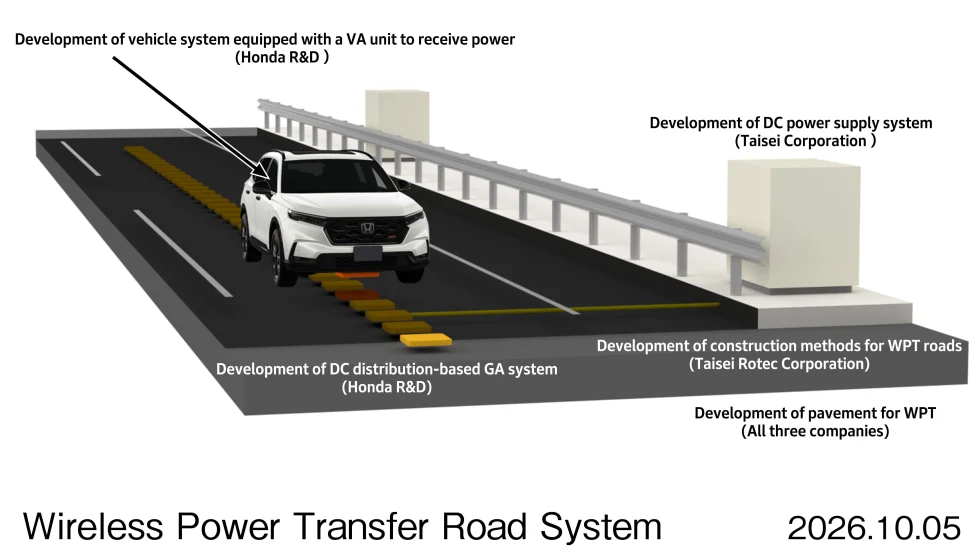
Charging In Motion
Honda has been researching wireless in-motion charging for electric vehicles since 2025, and new technology developments have put it a step closer to a final product.
Read More →
Twin Cities Stores Sell
Minnesota-based Walser Automotive Group made what it called the most significant acquisition in its history with a three-rooftop deal in Minneapolis.
Read More →
U.S. Auto Sales Still Below Prepandemic Levels
Mobility Global industry observers don’t expect the market to return to the higher volumes that became routine before Covid but to stay well below its potential.
Read More →
The Powertrain Shift
Electric-vehicle owners are backpedaling, according to new data, with product availability driving many to shift back to gas-powered engines.
Read More →
Achromatic Autos
The shades that dominate the U.S. car market don’t call attention to themselves, though grayscale may have plateaued after a 30-year upswing, research shows.
Read More →
Used-Vehicle Affordability Worsens
Listing prices in August defied seasonal trends, rising above $27,000 for the second time this year.
Read More →