


Charger Network Growth Slows
Despite a projected increase in public EV chargers in 2026, charging infrastructure remains a top concern for consumers as the gap between the most and least EV-friendly places remains substantial.

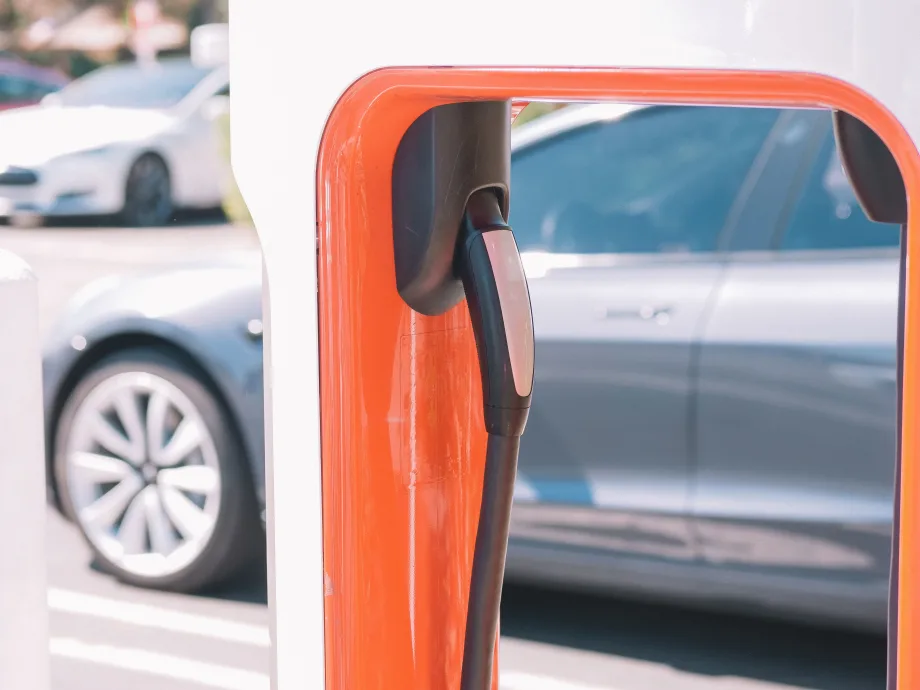
Vermont ranks as the most EV-friendly state with 450 residents per charger.
Pexels/Kindel Media
The U.S. is projected to add over 40,000 electric-vehicle chargers in 2026, according to iSeeCars.com, for a growth rate of 15.5%, down sharply from the 26% seen last year.
The additional chargers will bring the nationwide total to 299,798, and the ratio of residents to chargers is projected to improve by 13%.
“America’s EV charging network is still expanding, but the growth curve has changed substantially,” said iSeeCars Executive Analyst Karl Brauer.
“A projected 15.5% increase for 2026 still adds tens of thousands of chargers, but it represents a much slower expansion rate compared to the average over the past decade.”
The research and analysis company also found a substantial gap between what it calls the most and least EV-friendly places in the states.
Los Angeles has the most chargers among the nation’s 50 largest metro areas, but San Francisco has the best charger density with just 334 residents per charger. Meanwhile, Louisville, Ky., has the smallest number of chargers at just 621 and the worst charger density with 2,904 residents per charger.
“California’s EV-friendly weather and tech-oriented communities clearly contribute to the state’s EV demand and aggressive charging infrastructure buildout, but high-ranking New York, Boston, and Denver reflect strong EV charging support outside the Golden State,” said Brauer.
Minneapolis has the largest projected year-over-year improvement, with residents per charger falling 22.5%, and Las Vegas has the smallest improvement at 5%.
State-wise, Vermont ranks as the most EV-friendly state with 450 residents per charger, but California follows closely behind at 480. On the flip side, Louisiana has the highest residents-per-charger ratio with 4,717 residents per charger. New Jersey and Washington are tied for the largest projected improvement at 22%. In stark contrast, North Dakota has zero projected improvement.
More Industry
CPO Sales Could Take Off in the Right Conditions
A recent Cox Automotive consumer survey reveals the size of an undertapped market for the vehicle segment given affordability pressures.
Read More →
Global Consumer Trends Diverge
Price remains a top consideration for U.S. car buyers, and they are the most brand-loyal consumers to established automakers, according to a new survey.
Read More →
Badger State Dealership Gets New Owner
The longtime southern Wisconsin store moved from one area auto group to another, keeping the business in Dairyland.
Read More →
The Cycle of Negative Equity
Third-quarter data shows consumers still rolling over debt and stretching loan terms, raising their risk of remaining underwater.
Read More →
Lenders, Consumers Take on More Auto Loan Risk
September records loosened credit access the most in over a decade as buyers took advantage of the conditions to afford trading, though loan applications fell.
Read More →
Next-Gen Hybrids in Sight
Dealerships can expect to see revamped hybrids from Honda next year as the company rolls out a new system and model lineup.
Read More →
Gem State Stores Change Hands
A larger auto group founded in the industry’s early years sold two franchises to a neighbor group that's on a growth spurt.
Read More →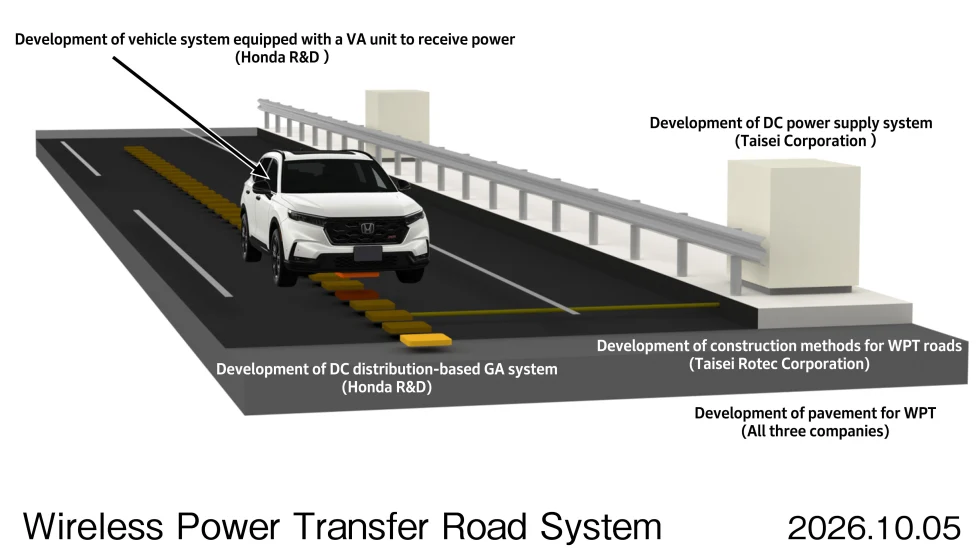
Charging In Motion
Honda has been researching wireless in-motion charging for electric vehicles since 2025, and new technology developments have put it a step closer to a final product.
Read More →
Twin Cities Stores Sell
Minnesota-based Walser Automotive Group made what it called the most significant acquisition in its history with a three-rooftop deal in Minneapolis.
Read More →
U.S. Auto Sales Still Below Prepandemic Levels
Mobility Global industry observers don’t expect the market to return to the higher volumes that became routine before Covid but to stay well below its potential.
Read More →