


Global Consumer Trends Diverge
Price remains a top consideration for U.S. car buyers, and they are the most brand-loyal consumers to established automakers, according to a new survey.


Consumers who have test-driven an electric vehicle are over twice as willing to consider purchasing one than those who have not.
Pexels/Mihis Alex
Consumers across the globe are changing the way they shop for their next vehicles, but according to a new survey, those changes vary by region.
Bain & Co. surveyed more than 12,000 car buyers worldwide and found that price is the top consideration for consumers buying a car in the U.S. and Europe. But in China, technology and features rank No. 1.
Across the world, younger buyers showed the strongest interest in electric vehicles, but in China the willingness to shop electric was high across all generations. Consideration grew for consumers who said they have test-driven an EV, but mass-market buyers in the U.S. and Europe are less likely to have tried an EV than premium buyers.
Consideration for autonomous-driving technology is also stronger in China than in the U.S. and Europe, 84% of Chinese consumers expressing openness to buying a vehicle with Level 3 autonomy versus 40% in the U.S. Level 3 autonomy “allows a car to drive itself under certain conditions but requires the driver to take over when prompted.”
The management consulting firm posited that a greater interest in autonomous driving could weaken traditional brand loyalty. It found that premium buyers in the U.S. and Europe were “particularly open to changing brands,” while consideration was at its greatest in China.
When it comes to how car buyers shop, 80% of global respondents combined online and offline interactions in their buying journeys. However, 95% of Chinese car buyers reported using online and offline channels.
But brick-and-mortar dealerships still hold value. Ninety percent of global consumers said they complete their purchases offline, while more than half of buyers in the U.S., Europe and China reported having at least two interactions with dealers throughout their car-buying journey.
And artificial intelligence is playing an increasingly important role in how consumers shop, especially among younger generations.
More Industry
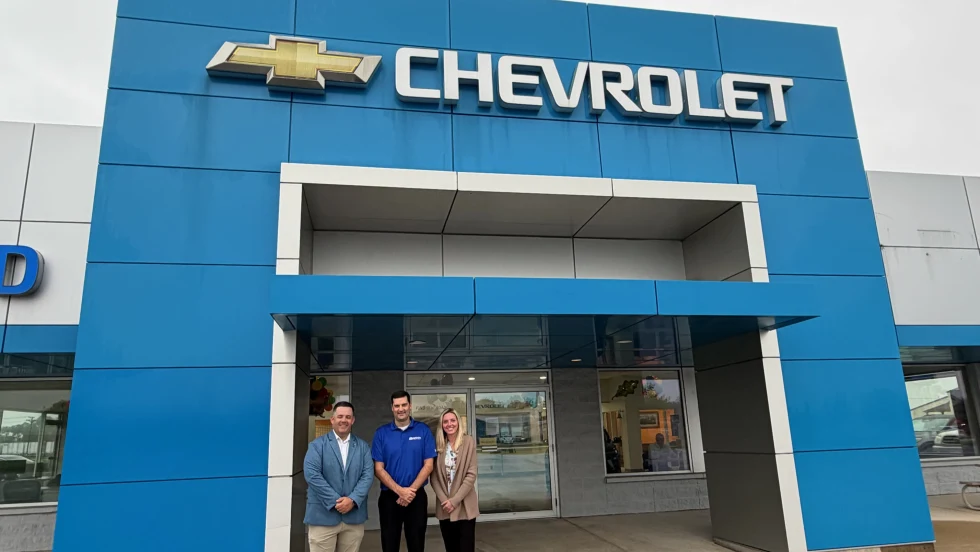
Badger State Dealership Gets New Owner
The longtime southern Wisconsin store moved from one area auto group to another, keeping the business in Dairyland.
Read More →
The Cycle of Negative Equity
Third-quarter data shows consumers still rolling over debt and stretching loan terms, raising their risk of remaining underwater.
Read More →
Charger Network Growth Slows
Despite a projected increase in public EV chargers in 2026, charging infrastructure remains a top concern for consumers as the gap between the most and least EV-friendly places remains substantial.
Read More →
Lenders, Consumers Take on More Auto Loan Risk
September records loosened credit access the most in over a decade as buyers took advantage of the conditions to afford trading, though loan applications fell.
Read More →
Next-Gen Hybrids in Sight
Dealerships can expect to see revamped hybrids from Honda next year as the company rolls out a new system and model lineup.
Read More →
Gem State Stores Change Hands
A larger auto group founded in the industry’s early years sold two franchises to a neighbor group that's on a growth spurt.
Read More →
Charging In Motion
Honda has been researching wireless in-motion charging for electric vehicles since 2025, and new technology developments have put it a step closer to a final product.
Read More →
Twin Cities Stores Sell
Minnesota-based Walser Automotive Group made what it called the most significant acquisition in its history with a three-rooftop deal in Minneapolis.
Read More →
U.S. Auto Sales Still Below Prepandemic Levels
Mobility Global industry observers don’t expect the market to return to the higher volumes that became routine before Covid but to stay well below its potential.
Read More →
The Powertrain Shift
Electric-vehicle owners are backpedaling, according to new data, with product availability driving many to shift back to gas-powered engines.
Read More →