


Chrysler Wants More Dealers Open On Sundays

DETROIT - Chrysler Group LLC, after increasing the number of dealerships that operate on Saturdays, plans to push more of its independent franchises to offer maintenance services on Sundays to better compete against service stations.
Pietro Gorlier, head of Chrysler's Mopar service, parts and customer-care unit, wants 80 percent of the automaker's U.S. dealers to be open on Saturdays by the end of the year, up from 60 percent in 2009 and about 70 percent now, reported Automotive News.
Chrysler has about 2,300 U.S. dealers. About 20 to 30 now are open on Sundays, Gorlier said.
Dealers that added Saturday hours increased their service businesses by 20 percent, and starting Sunday hours may boost service business 10 percent to 15 percent, he said. Increasing Saturday hours and expanding quick-lube service remain the priorities for this year, he said.
“I will start addressing the problem, and we will define probably a target for 2012,” Gorlier, 48, said of Sunday hours. “Everything is open on Sundays. If you go around, the malls are open, the shops are open.” He spoke this week at the Chicago auto show.
Dealers who stay open on Sundays would have to manage their workforces differently, he said. Also, 18 states have laws that limit or prevent dealers from opening on Sundays, Bryan Zvibleman, a spokesman for Chrysler said.
While a lot of sales departments are open on Sundays in states that allow it, “there aren’t many parts-and-service operations anywhere that are open on Sundays for any brand,” said Randy Berlin, global director at retail-consulting firm Urban Science in Detroit.
Chrysler, which cut 789 dealers through its 2009 bankruptcy reorganization, may be feeling a strain to service its customers with fewer locations, Berlin said.
“That might be another reason why Chrysler is encouraging them to extend their hours because that is certainly a way to increase their existing facility capacity,” he said.
Sergio Marchionne, chief executive officer of both Chrysler and Fiat, said last week that 80 percent of the automaker's U.S. dealerships are profitable, the highest percentage since 2000.
He is preparing Chrysler for an initial public offering in the second half of the year and has said the automaker could have a net profit as high as $500 million in 2011, its first since emerging from U.S. government-backed bankruptcy in 2009.
More Industry
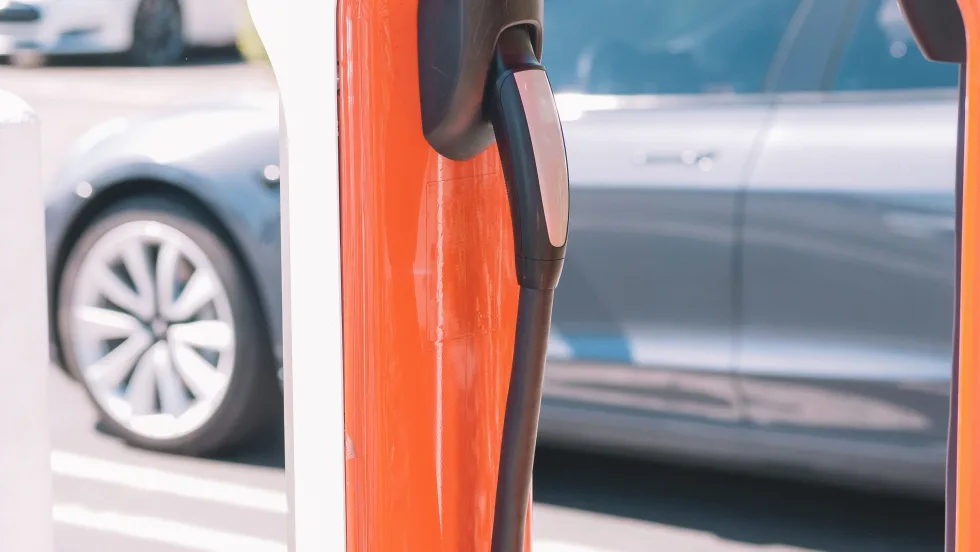
Charger Network Growth Slows
Despite a projected increase in public EV chargers in 2026, charging infrastructure remains a top concern for consumers as the gap between the most and least EV-friendly places remains substantial.
Read More →
Lenders, Consumers Take on More Auto Loan Risk
September records loosened credit access the most in over a decade as buyers took advantage of the conditions to afford trading, though loan applications fell.
Read More →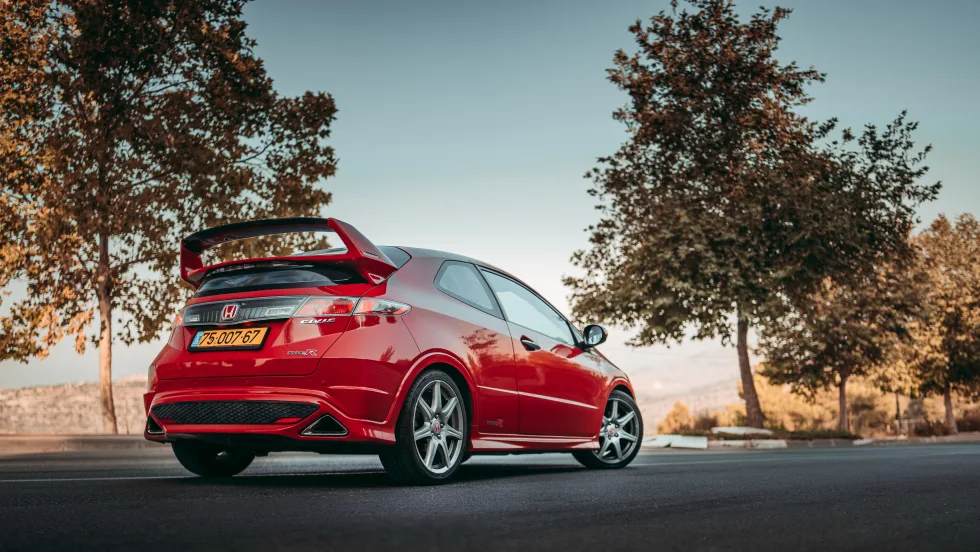
Next-Gen Hybrids in Sight
Dealerships can expect to see revamped hybrids from Honda next year as the company rolls out a new system and model lineup.
Read More →
Gem State Stores Change Hands
A larger auto group founded in the industry’s early years sold two franchises to a neighbor group that's on a growth spurt.
Read More →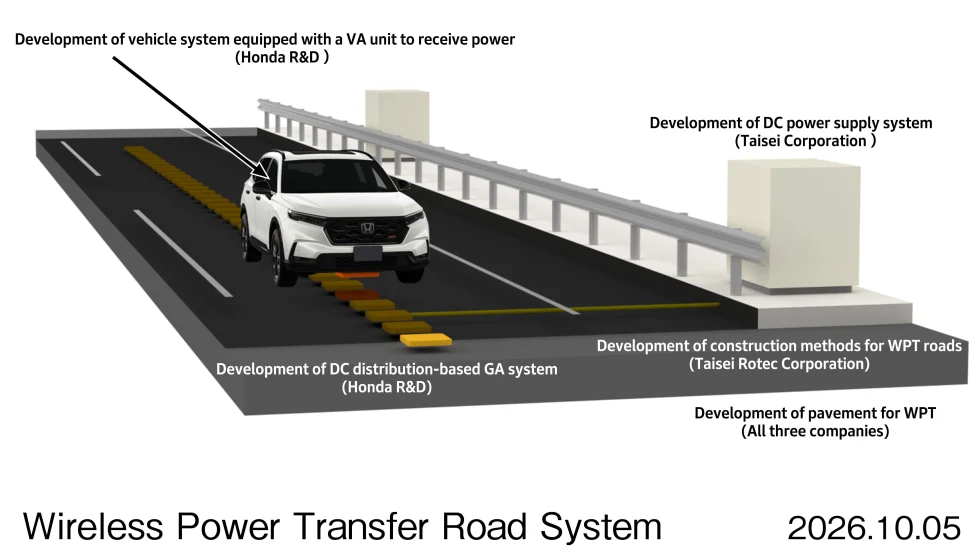
Charging In Motion
Honda has been researching wireless in-motion charging for electric vehicles since 2025, and new technology developments have put it a step closer to a final product.
Read More →
Twin Cities Stores Sell
Minnesota-based Walser Automotive Group made what it called the most significant acquisition in its history with a three-rooftop deal in Minneapolis.
Read More →
U.S. Auto Sales Still Below Prepandemic Levels
Mobility Global industry observers don’t expect the market to return to the higher volumes that became routine before Covid but to stay well below its potential.
Read More →
The Powertrain Shift
Electric-vehicle owners are backpedaling, according to new data, with product availability driving many to shift back to gas-powered engines.
Read More →
Achromatic Autos
The shades that dominate the U.S. car market don’t call attention to themselves, though grayscale may have plateaued after a 30-year upswing, research shows.
Read More →
Used-Vehicle Affordability Worsens
Listing prices in August defied seasonal trends, rising above $27,000 for the second time this year.
Read More →