


Coalition Forms to Spark EV Tax Credit
The EV Drive Coalition will lobby Congress to ‘reform and recharge’ the federal electric vehicle tax credit.

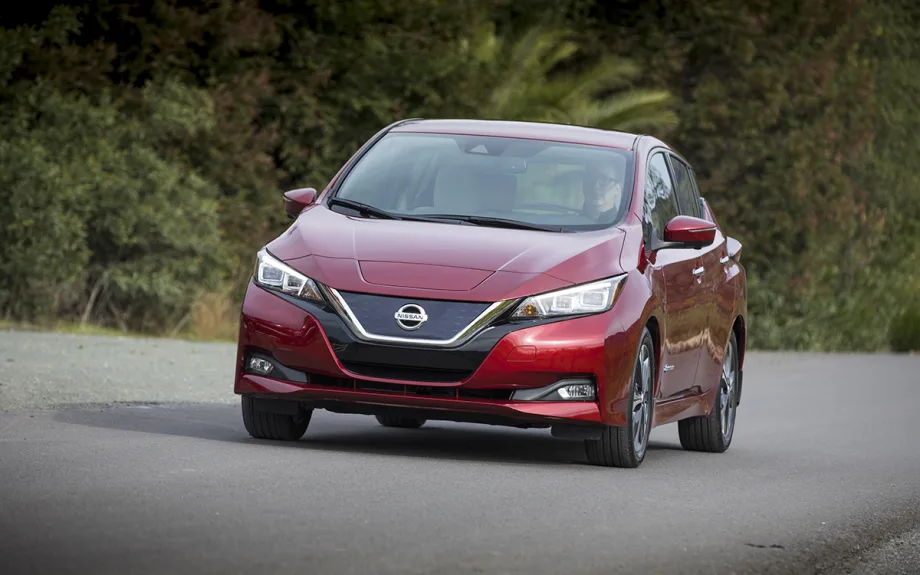
Nissan, which builds the plug-in electric Leaf, is one of four vehicle manufacturers to join the newly formed EV Drive Coalition.
Photo courtesy Nissan North America Inc.
WASHINGTON — The EV Drive Coalition, which formed with a stated goal to reform the federal electric vehicle tax credit, announced its official launch as the U.S. Congress convenes for its lame duck session. Members include such advocacy groups as the Electric Auto Association and Plug In America, Clean Fuels of Michigan and Ohio, the Christian Coalition of America, and four manufacturers: General Motors, Nissan, Proterra, and Tesla.
The EV Drive Coalition brings together a diverse group of industry, consumer and environmental stakeholders with a single unifying mission: encourage passage of legislation reforming the federal electric vehicle tax credit to ensure it brings a long-term benefit to consumers and spurs increased growth of the U.S. EV market.
The original tax credit for electric vehicle buyers catalyzed the market, increased consumer awareness, and grew a nascent industry, directors said. To promote continued market growth and stabilization, members of the EV Drive Coalition are advocating for reform to lift the current cap on the number of consumers who can take advantage of the credit through each manufacturer.
“Arbitrary constraints with the federal credit limit consumer options and make it harder for consumers to purchase the cars they want,” said Joel Levin, executive director of Plug In America. “Lifting the cap would create a more level playing field for all manufacturers, giving consumers the freedom to decide which car they want in a free and fair market. Increased competition spurs more American innovation and technology.”
“A federal tax credit to help make electric vehicles more affordable for all consumers is integral to reaching a zero-emissions future and establishing the U.S. as the leader in electrification,” said Dan Turton, vice president of public policy at General Motors North America. “We feel that the tax credit should be modified so all customers continue to receive the full benefit going forward.”
“We’ve been able to make tremendous strides in the underlying technology of electric vehicles. The battery power and the range have improved significantly over the last few years. With every new advancement, we get closer to becoming an economically sustainable market. However, we’re not there yet, and keeping the cap will have a negative impact on a sustainable U.S. electric vehicle market,” added coalition spokesperson Trevor Francis.
This is an urgent issue, Francis said, because choosing not to reform the tax credit will severely hinder America’s ability to compete in a global market. “At that point, it wouldn’t be just an automotive issue. As it stands now, electric vehicles are responsible for nearly 300,000 jobs. This is a jobs issue and an economic issue in addition to a consumer issue.”
Originally posted on Auto Dealer Today
More Industry

Badger State Dealership Gets New Owner
The longtime southern Wisconsin store moved from one area auto group to another, keeping the business in Dairyland.
Read More →
The Cycle of Negative Equity
Third-quarter data shows consumers still rolling over debt and stretching loan terms, raising their risk of remaining underwater.
Read More →
Charger Network Growth Slows
Despite a projected increase in public EV chargers in 2026, charging infrastructure remains a top concern for consumers as the gap between the most and least EV-friendly places remains substantial.
Read More →
Lenders, Consumers Take on More Auto Loan Risk
September records loosened credit access the most in over a decade as buyers took advantage of the conditions to afford trading, though loan applications fell.
Read More →
Next-Gen Hybrids in Sight
Dealerships can expect to see revamped hybrids from Honda next year as the company rolls out a new system and model lineup.
Read More →
Gem State Stores Change Hands
A larger auto group founded in the industry’s early years sold two franchises to a neighbor group that's on a growth spurt.
Read More →
Charging In Motion
Honda has been researching wireless in-motion charging for electric vehicles since 2025, and new technology developments have put it a step closer to a final product.
Read More →
Twin Cities Stores Sell
Minnesota-based Walser Automotive Group made what it called the most significant acquisition in its history with a three-rooftop deal in Minneapolis.
Read More →
U.S. Auto Sales Still Below Prepandemic Levels
Mobility Global industry observers don’t expect the market to return to the higher volumes that became routine before Covid but to stay well below its potential.
Read More →
The Powertrain Shift
Electric-vehicle owners are backpedaling, according to new data, with product availability driving many to shift back to gas-powered engines.
Read More →