


Cox Automotive: Vehicle Loss From Hurricane Ian Could Top 50,000
Cox Automotive believes the likely range of severely damaged vehicles that could need replacement is between 30,000 and 70,000 vehicles.

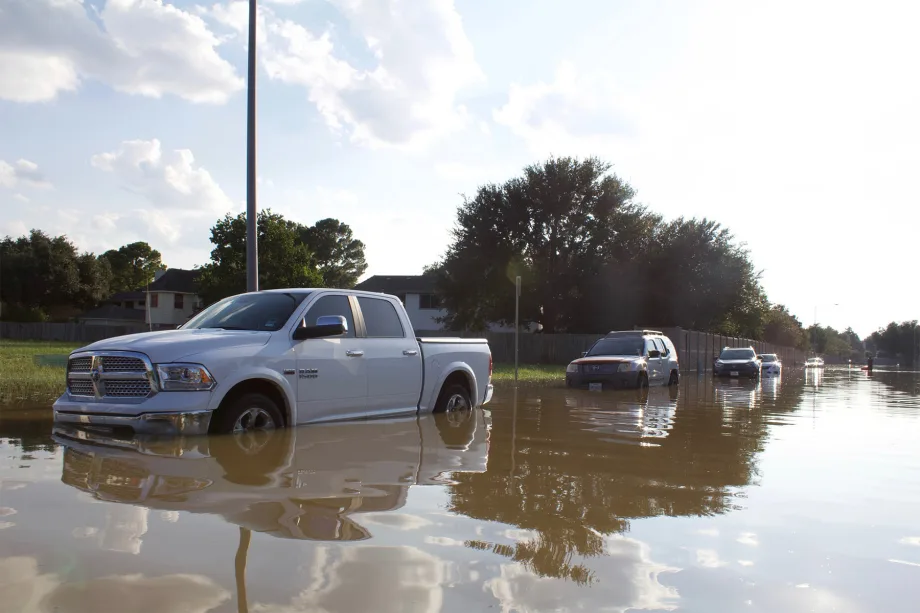
Cox Automotive believes the likely range of severely damaged vehicles that could need replacement is between 30,000 and 70,000 vehicles.
IMAGE: Pixabay
COX AUTOMOTIVE – We have received many inquiries about what we believe the damage due to Hurricane Ian might have been in Florida and the subsequent impact on replacement demand and wholesale prices. Here’s our thinking at this point:
We believe the likely range of severely damaged vehicles that could need replacement is between 30,000 and 70,000 vehicles. As it is still early days in the aftermath of Ian, we recognize that is indeed a large range, so we will consider the mid-point at 50,000 vehicles.
That vehicle-specific impact – 50,000 vehicles – is a fraction of what Hurricane Harvey produced in 2017 when it hit Houston and southeast Texas. In terms of vehicle damage, Harvey remains unchallenged, as estimates for vehicle loss due to Harvey were in excess of 300,000.
Our significantly lower estimates for Hurricane Ian are based on three key assumptions.
Hurricane Harvey hit one of the most vehicle-dense markets in America. In 2017, Harris County, which includes the city of Houston and is among the most populated areas in the country, had approximately 2,100 vehicles per square mile. By contrast, the footprint impacted by Hurricane Ian has a quarter of that density.
Hurricane Ian was a relatively fast-moving storm, and the significant property and vehicle damage was principally the result of wind and storm surge, focused mostly on the west coast of Florida. Hurricane Harvey damage, on the other hand, was caused by historic rainfall – 40-inches plus in some areas – that significantly flooded a much larger vehicle-dense area. Hurricane Harvey essentially sat over the Houston metropolitan area for 48-plus hours.
The impact of Hurricane Harvey was also more of a surprise, which resulted in fewer evacuations. While the exact trajectory of Hurricane Ian was incorrectly forecast – it hit farther south than anticipated, sparing the larger Tampa area – the size and scope of the storm were well publicized ahead of time and larger evacuation efforts were undertaken.
Originally posted on F&I and Showroom
More Industry
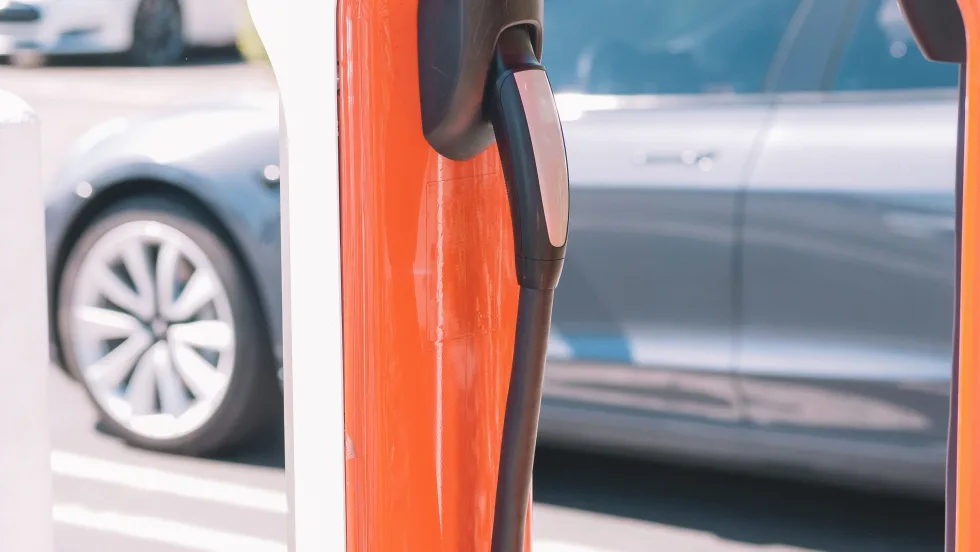
Charger Network Growth Slows
Despite a projected increase in public EV chargers in 2026, charging infrastructure remains a top concern for consumers as the gap between the most and least EV-friendly places remains substantial.
Read More →
Lenders, Consumers Take on More Auto Loan Risk
September records loosened credit access the most in over a decade as buyers took advantage of the conditions to afford trading, though loan applications fell.
Read More →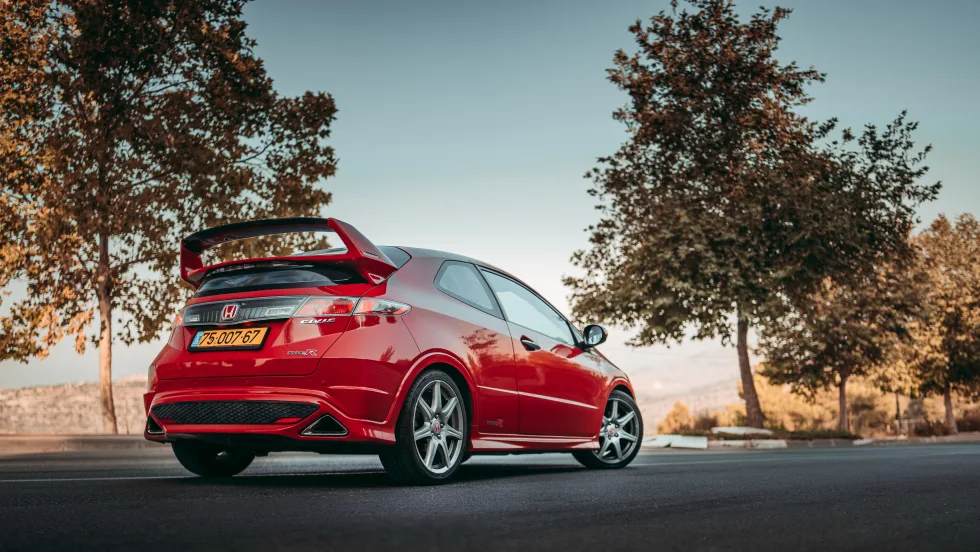
Next-Gen Hybrids in Sight
Dealerships can expect to see revamped hybrids from Honda next year as the company rolls out a new system and model lineup.
Read More →
Gem State Stores Change Hands
A larger auto group founded in the industry’s early years sold two franchises to a neighbor group that's on a growth spurt.
Read More →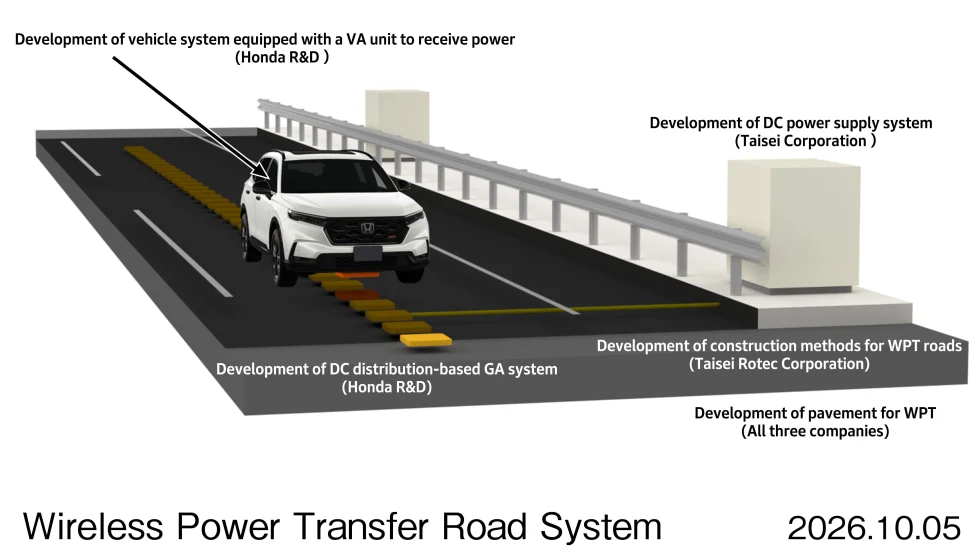
Charging In Motion
Honda has been researching wireless in-motion charging for electric vehicles since 2025, and new technology developments have put it a step closer to a final product.
Read More →
Twin Cities Stores Sell
Minnesota-based Walser Automotive Group made what it called the most significant acquisition in its history with a three-rooftop deal in Minneapolis.
Read More →
U.S. Auto Sales Still Below Prepandemic Levels
Mobility Global industry observers don’t expect the market to return to the higher volumes that became routine before Covid but to stay well below its potential.
Read More →
The Powertrain Shift
Electric-vehicle owners are backpedaling, according to new data, with product availability driving many to shift back to gas-powered engines.
Read More →
Achromatic Autos
The shades that dominate the U.S. car market don’t call attention to themselves, though grayscale may have plateaued after a 30-year upswing, research shows.
Read More →
Used-Vehicle Affordability Worsens
Listing prices in August defied seasonal trends, rising above $27,000 for the second time this year.
Read More →