


Dealers Will Not Feel Recession Impacts Immediately
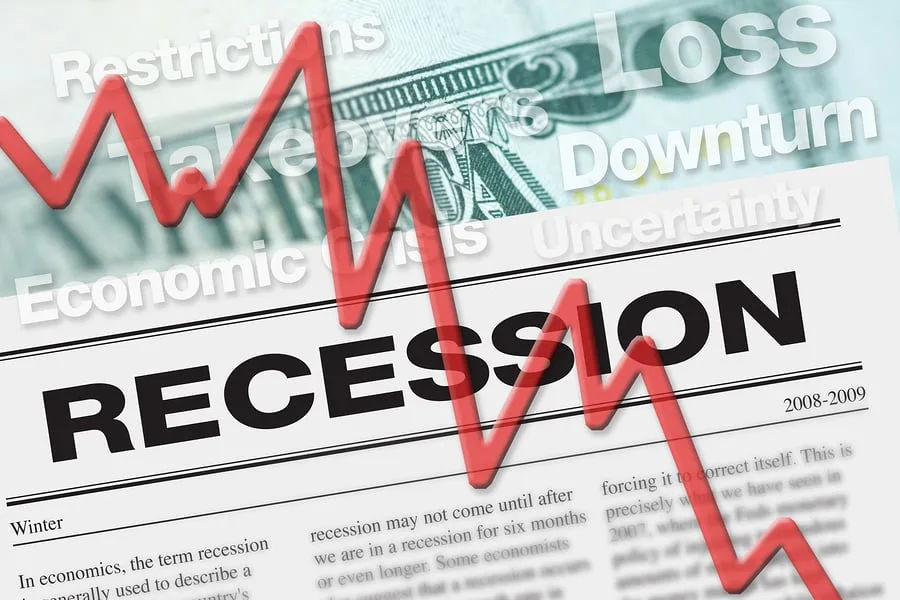
A recession won’t affect U.S. auto dealers and manufacturers until the 12- to 18-month range, says Jonathan Smoke, chief economist-Cox Automotive.

Creative Commons
The impacts of a recession won’t affect U.S. auto dealers and manufacturers until the 12- to 18-month range, says Jonathan Smoke, chief economist-Cox Automotive.
“Most of the (economic) models and most of the individual market analysts and forecasters” don’t think a recession is imminent, “other than those who are deliberately seeking specific headlines or have a reason to be so negative in reading of the data,” Smoke says during a recent Cox Automotive panel discussion.
“And one of those data points being the low unemployment rate and the continued job creation, stable and historically low jobless claims and the general financial shape of the majority of households.”
However, Smoke says durable goods sales decline when prices of groceries and gasoline increase. They stay away from major purchases such as vehicles when these things happen.
Though vehicle sales suffer in a recession, there is evidence that the market for new vehicles is more insulated than in the past, says Charlie Chesbrough, Cox’s senior economist and senior director of industry insights.
“Buyers who would be most impacted by a downturn in the economy have already left the new vehicle market,” he says. “And where are these buyers going? Well, many can no longer afford a new vehicle, and they have moved to the used market. However, prices there are going higher too.”
Still, record gas prices, swings in the stock market, and negative politics impact consumer confidence, adds Smoke.
“The worry is, of course, that consumers will pull back if they have such negative views about the future,” says Smoke. “The only good news here that I can offer is that the index from the Morning Consult did not decline week over week as of (June 27) and the average price of unleaded nationally, according to AAA, declined nearly 2% week over week and is down 2.4% from a peak on June 13 at $5.02. That means one element that has been driving sentiment lower is at least no longer getting worse, at least in the near term.”
A strong labor market, ample credit, strong savings accounts, and wage growth are all positive signs.
Though dealer sentiment data points to a poor outlook and lower than the current market, Smoke says the numbers are still positive. “I think the key issue is uncertainty, and especially uncertainty from things that dealers cannot control, namely the economy and new-vehicle production,” he concludes.
Originally posted on Auto Dealer Today
More Industry
Charger Network Growth Slows
Despite a projected increase in public EV chargers in 2026, charging infrastructure remains a top concern for consumers as the gap between the most and least EV-friendly places remains substantial.
Read More →
Lenders, Consumers Take on More Auto Loan Risk
September records loosened credit access the most in over a decade as buyers took advantage of the conditions to afford trading, though loan applications fell.
Read More →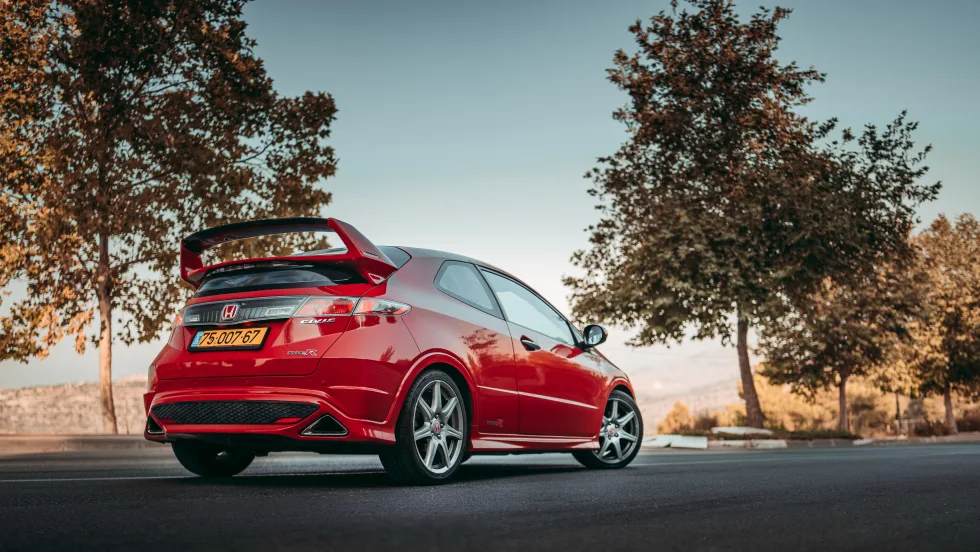
Next-Gen Hybrids in Sight
Dealerships can expect to see revamped hybrids from Honda next year as the company rolls out a new system and model lineup.
Read More →
Gem State Stores Change Hands
A larger auto group founded in the industry’s early years sold two franchises to a neighbor group that's on a growth spurt.
Read More →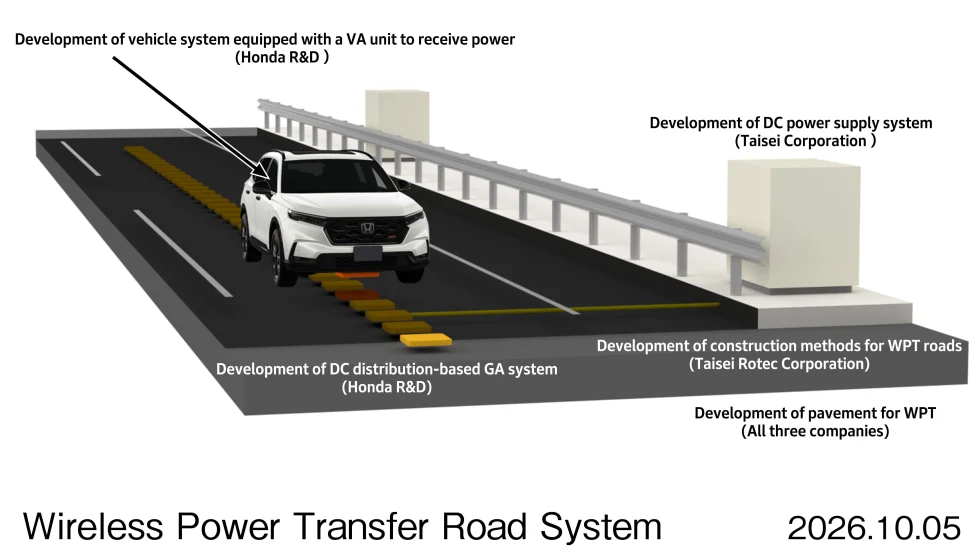
Charging In Motion
Honda has been researching wireless in-motion charging for electric vehicles since 2025, and new technology developments have put it a step closer to a final product.
Read More →
Twin Cities Stores Sell
Minnesota-based Walser Automotive Group made what it called the most significant acquisition in its history with a three-rooftop deal in Minneapolis.
Read More →
U.S. Auto Sales Still Below Prepandemic Levels
Mobility Global industry observers don’t expect the market to return to the higher volumes that became routine before Covid but to stay well below its potential.
Read More →
The Powertrain Shift
Electric-vehicle owners are backpedaling, according to new data, with product availability driving many to shift back to gas-powered engines.
Read More →
Achromatic Autos
The shades that dominate the U.S. car market don’t call attention to themselves, though grayscale may have plateaued after a 30-year upswing, research shows.
Read More →
Used-Vehicle Affordability Worsens
Listing prices in August defied seasonal trends, rising above $27,000 for the second time this year.
Read More →