


Down Economy Will Impact All Automakers
An economic downturn could put all automaker’s, even those making luxury autos, earnings to the test.


An economic downturn could put all automakers, even those making luxury autos, earnings to the test.
IMAGE: Getty Images
Luxury brands are not recession proof, reports a recent article in the Wall Street Journal.
However, investors seem to prefer expensive vehicles to cheaper ones. Porsche, for example, is at almost 17 times this year’s earnings.
However, both sides of the Atlantic are sounding alarm bells over economic concerns. Europe’s concerns center on energy. Even with massive government support, sky high energy prices will limit economic activity and consumer spending. In the U.S., concerns center on rising interest rates, which effects vehicle sales as vehicles are normally sold on credit.
These concerns push investors to take refuge in luxury brands. Luxury brands offer than better value for money. High-end producers screen classic metrics of company “quality” such as cash flows and returns on capital, to take advantage of this.
However, as we saw with Porsche during the Great Recession, luxury vehicles are not immune to economic downturns. Porsche sales fell 22.5% in 2008. The Porsche 911 sports car fared even worse, with production more than halving over the five years ending in 2011, report Quest analysts.
Leasing accounted for 43% of vehicles sold by Porsche in 2021 could be vulnerable. While some buyers probably leased for convenience, others likely couldn’t afford the brand without leasing. Rising interest rates will challenge leasing as secondhand car values fall from their recent highs.
However, mass market auto manufacturers, given the current inventory shortage, sit on fat order books that may shrink some, but weak demand and weak supply will keep prices high. Companies like General Motors and Stellantis, which restructured their operations during the previous downturn, are well prepared for an economic storm.
Even so, the coming downturn could put all automaker’s, even those making luxury autos, earnings to the test, with unclear results.
Originally posted on Auto Dealer Today
More Industry
Charger Network Growth Slows
Despite a projected increase in public EV chargers in 2026, charging infrastructure remains a top concern for consumers as the gap between the most and least EV-friendly places remains substantial.
Read More →
Lenders, Consumers Take on More Auto Loan Risk
September records loosened credit access the most in over a decade as buyers took advantage of the conditions to afford trading, though loan applications fell.
Read More →
Next-Gen Hybrids in Sight
Dealerships can expect to see revamped hybrids from Honda next year as the company rolls out a new system and model lineup.
Read More →
Gem State Stores Change Hands
A larger auto group founded in the industry’s early years sold two franchises to a neighbor group that's on a growth spurt.
Read More →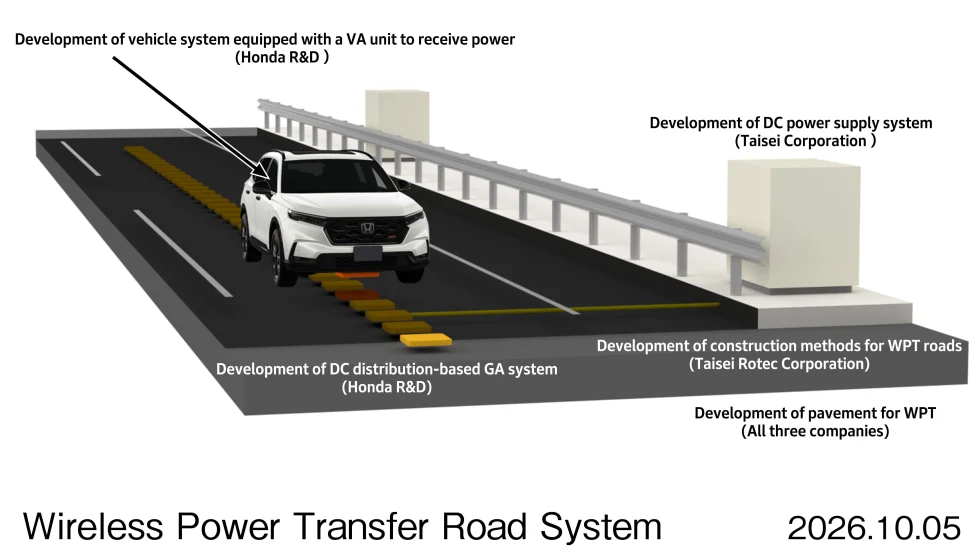
Charging In Motion
Honda has been researching wireless in-motion charging for electric vehicles since 2025, and new technology developments have put it a step closer to a final product.
Read More →
Twin Cities Stores Sell
Minnesota-based Walser Automotive Group made what it called the most significant acquisition in its history with a three-rooftop deal in Minneapolis.
Read More →
U.S. Auto Sales Still Below Prepandemic Levels
Mobility Global industry observers don’t expect the market to return to the higher volumes that became routine before Covid but to stay well below its potential.
Read More →
The Powertrain Shift
Electric-vehicle owners are backpedaling, according to new data, with product availability driving many to shift back to gas-powered engines.
Read More →
Achromatic Autos
The shades that dominate the U.S. car market don’t call attention to themselves, though grayscale may have plateaued after a 30-year upswing, research shows.
Read More →
Used-Vehicle Affordability Worsens
Listing prices in August defied seasonal trends, rising above $27,000 for the second time this year.
Read More →