


EV Charger Solution Said to Work for All Models
Major charging network provider claims its new connector supports vehicles from all manufacturers.

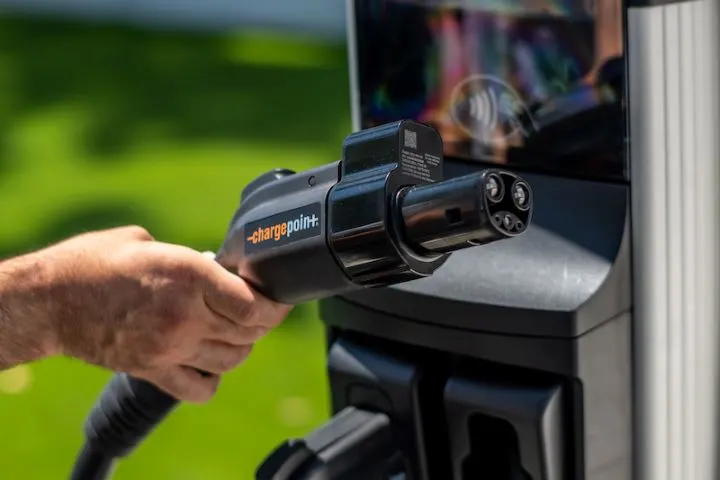
The maker of the Omni Port connector says it supports EVs from all automakers.
ChargePoint
A major electric-vehicle public charging network provider introduced a dual charging port that it says accommodates EVs by any maker.
ChargePoint says its Omni Port is the “only publicly available solution to solve North America’s EV connector confusion across AC and DC charging” because it allows charging of all makes at one station by incorporating the “most prevalent connector types.”
“Drivers can expect a frictionless charging experience when using Omni Port, simply needing to enter their vehicle’s make and model into the ChargePoint app, tapping to charge, and allowing the charging station to automatically release the correct connector type,” the company said in a press release.
Those who choose not to use ChargePoint’s application can select their EVs’ connector types on charger screens.
Different automakers have settled on one EV charging connector type or another in the past couple of years, some going with Tesla’s North American Charging System and others opting for the Combined Charging System. A coalition of brands even formed their own joint venture last year to build a charging network that supports both types.
Public charger availability and ease of use has been a key obstacle to mass EV adoption, so innovations and developments that resolve that aspect of EV ownership could help smooth the road to wider consumer transition from gas-powered models. In fact, a recent report emphasized that stations offering chargers that incorporate multiple standards are essential to widespread EV adoption.
ChargePoint says Omni Port eliminates the need for EV owners to carry an adapter with them to make sure they’re able to charge on the road if the charging stations they visit support connectors different from their vehicles’.
Originally posted on Auto Dealer Today
More Product & Technology

Set Yourself Apart
Product providers can follow the lead of industry cohorts in the practice of leveraging their brands through private labeling, pumping new energy into their platforms to stand out from competitors.
Read More →
EVs Excel at Longevity
Research finds that after a certain mileage point, they outlast gas and diesel vehicles despite being driven more.
Read More →
Integrating AI Into Your Admin System
It’s important for finance-and insurance administrators to build the technology into their existing systems instead of bolting it on.
Read More →
Public EV Charging Improves
The infrastructure buildout in the U.S. is providing more availability and safety at a better cost, according to the latest EV experience study by JD Power.
Read More →
AI in the Dealership
A Cox Automotive poll shows most dealers use it, but only some have found the smartest ways to adapt the surging technological sensation.
Read More →
AAA Honors Service and Repair Facilities
Three automotive dealerships made AAA's Service Providers of Excellence and Best in Repair list this year.
Read More →
EFG Launches Product Admin Platform
The company says the offering is designed to empower administrators, service contract providers, and product marketers to expand automotive and power-sports capabilities.
Read More →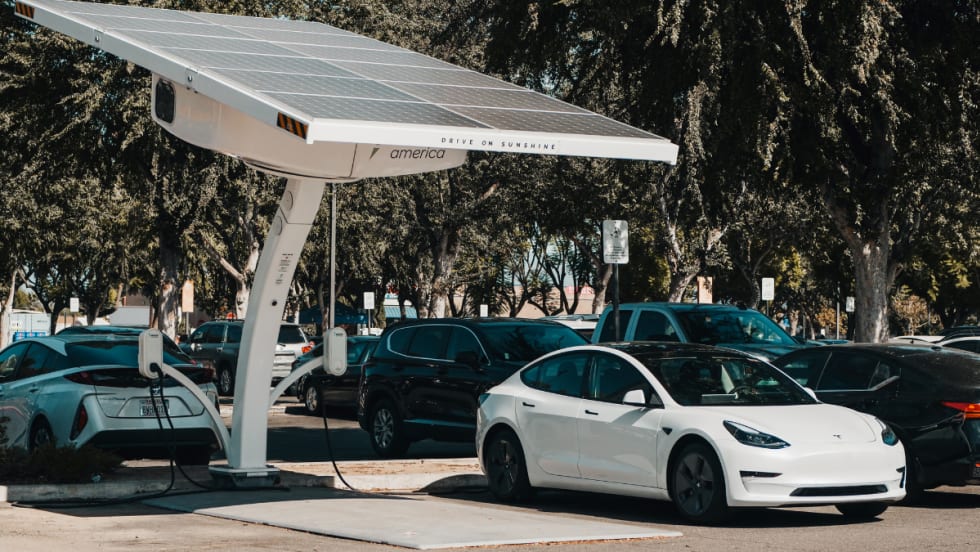
Optimized Charging Could Reduce Costs
According to an Alliance for Automotive Innovation analysis, optimized EV charging could cut costs for drivers and improve grid infrastructure - potential adoption incentives.
Read More →
From Inspection to Impact
Data, video and artificial intelligence are driving service performance today, when inspection performance is closely tied to key business outcomes.
Read More →
Car Karaoke Gets Official Platform
The in-vehicle karaoke and sing-along platform by Samsung arm is meant to add traveling enjoyment safely in technology that automakers can tailor to their specific needs.
Read More →