


EV Demand Muddled
Surveys find varying degrees of interest amid incentives pullback.
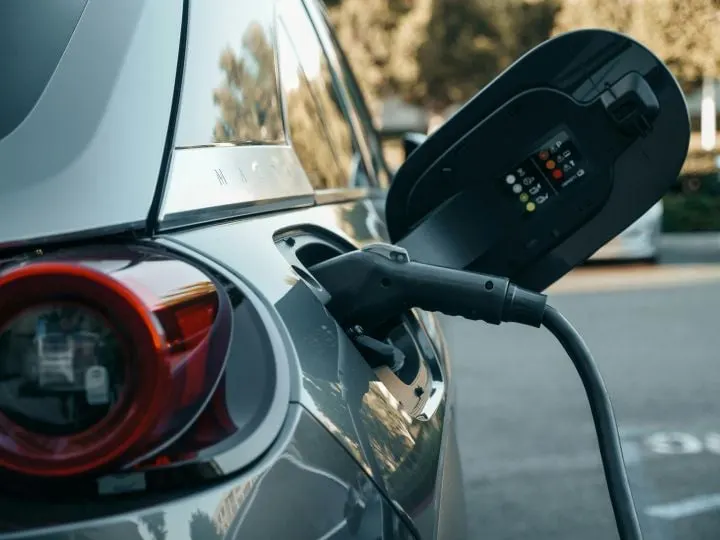
The two surveys found different levels of consumer concern about public charger availability.
Pexels/Kindel Media
Consumer demand for electric vehicles is being tempered by anti-green Trump administration policies, but the question is by how much.
Two recent surveys provide significantly different readings on the EV demand pulse.
While a J.D. Power poll found 24% of consumers in the market for a new car are very likely to consider a pure EV, a AAA survey found just 16% are very likely or likely to consider EVs.
Respondents to AAA’s poll who are unlikely or very unlikely to go electric jumped from 51% to 63%, its highest level in three years.
The disparity could be in part because AAA conducted its survey during one week in March shortly after the initial U.S. trade tariffs were announced, whereas J.D. Power fielded its poll during the must wider period of January through April.
The two surveys also found slightly different values consumers are placing on adoption obstacles. J.D. Power’s saw purchase price and ownership cost concerns fall as public charging concerns stayed at the top, while AAA’s found cost considerations to be the top two barriers.
Shifting sentiments likely result from federal policy moving from pro-electric under the Joe Biden administration to the opposite under President Donald Trump, whose administration has pulled funding to states for charger development and is pursuing the end of EV purchase tax credits and manufacturing incentives.
Many automakers had already been refocusing on more hybrid vehicle production before the fall elections, though they haven’t abandoned electric. Ford, for example, recently told the Detroit Free Press that it plans to keep developing its EV business.
Still, EV-dampening moves in the U.S. capital appear to be sewing uncertainty among consumers. AAA found that those believing most U.S. cars will be electric in the coming 10 years has fallen from 40% in 2022 to 23% this year. And those interested in going electric to secure a federal tax credit fell from 60% last year to 39%.
DIG DEEPER: EV Apps Valued But Often Disappointing
Originally posted on F&I and Showroom
More Industry

Charger Network Growth Slows
Despite a projected increase in public EV chargers in 2026, charging infrastructure remains a top concern for consumers as the gap between the most and least EV-friendly places remains substantial.
Read More →
Lenders, Consumers Take on More Auto Loan Risk
September records loosened credit access the most in over a decade as buyers took advantage of the conditions to afford trading, though loan applications fell.
Read More →
Next-Gen Hybrids in Sight
Dealerships can expect to see revamped hybrids from Honda next year as the company rolls out a new system and model lineup.
Read More →
Gem State Stores Change Hands
A larger auto group founded in the industry’s early years sold two franchises to a neighbor group that's on a growth spurt.
Read More →
Charging In Motion
Honda has been researching wireless in-motion charging for electric vehicles since 2025, and new technology developments have put it a step closer to a final product.
Read More →
Twin Cities Stores Sell
Minnesota-based Walser Automotive Group made what it called the most significant acquisition in its history with a three-rooftop deal in Minneapolis.
Read More →
U.S. Auto Sales Still Below Prepandemic Levels
Mobility Global industry observers don’t expect the market to return to the higher volumes that became routine before Covid but to stay well below its potential.
Read More →
The Powertrain Shift
Electric-vehicle owners are backpedaling, according to new data, with product availability driving many to shift back to gas-powered engines.
Read More →
Achromatic Autos
The shades that dominate the U.S. car market don’t call attention to themselves, though grayscale may have plateaued after a 30-year upswing, research shows.
Read More →
Used-Vehicle Affordability Worsens
Listing prices in August defied seasonal trends, rising above $27,000 for the second time this year.
Read More →