


Fisker Employees Suing for Abrupt Layoffs

Via USA Today
Fisker Automotive is being sued for laying off most of its workers without what the suit says is enough notice.
The suit was filed Friday, the same day Fisker laid off 160 of its 213 employees. The Fisker suit was brought in California by Outten & Golden, a New York firm that successfully sued failed solar-panel maker Solyndra for abruptly laying off most workers in August 2011.
The suit is on behalf of former Fisker worker Sven Etzelsberger and seeks class-action status to represent all those let go suddenly.
Because Fisker's action amounts to mass layoffs, according to the lawsuit, the workers should have been "provided 60 days advance written notice" of the layoffs, under the federal Worker Adjustment and Retraining Notification Act and a similar California labor law.
The Fisker lawsuit seeks 60-days' worth of wages and benefits for the ex-Fisker workers. "It's a knowable number, but we don't know it" because Fisker has the records, he said.
Calls to Fisker's Anaheim, Calif., headquarters were answered by a recording. Voice mail messages seeking comment on the lawsuit and Fisker's status were not returned.
A large-scale layoff "often is a prelude to bankruptcy" filing, according to Jack Raisner, one of the Outten & Golden lawyers involved in the suit. He also was involved in the 2011 action against Solyndra that eventually won $3.5 million for those laid-off workers.
"It happens when a company is circling the drain," he said, while insisting he had "no insight or knowledge" about whether Fisker plans to file for bankruptcy reorganization, or liquidation, or to continue as-is.
Fisker hasn't made any cars since the middle of last year, after its battery supplier, A123 Systems, went out of business. A123 had a $249 million grant of taxpayer money from the Department of Energy, but nonetheless went though bankruptcy reorganization and now is owned by China's largest auto components supplier, Wanxiang Group. the reconstituted A123 notified its customers in February that it was resuming some operations..
Fisker and Solyndra both received taxpayers' money via federal loans, not outright grants, that were meant to promote alternative energy and propulsion.
Fisker got approval for $529 million from the Advanced Vehicle Technology Loan program, but borrowed only $193 million of it before the government froze the loan. The Energy Department said Fisker failed to meet agreed-upon milestones, but has refused to specify what those were.
Fisker's first repayment is due this month.
Solyndra got a taxpayer loan of $535 million and will repay a small fraction of that under its bankruptcy restructuring.
More Industry

Achromatic Autos
The shades that dominate the U.S. car market don’t call attention to themselves, though grayscale may have plateaued after a 30-year upswing, research shows.
Read More →
Used-Vehicle Affordability Worsens
Listing prices in August defied seasonal trends, rising above $27,000 for the second time this year.
Read More →
First-Half Dealership Deals Up
Buy-sell activity shows that acquirers are looking for value and scale as many retailers seek to leave an increasingly competitive and complex market, Kerrigan Advisors reports.
Read More →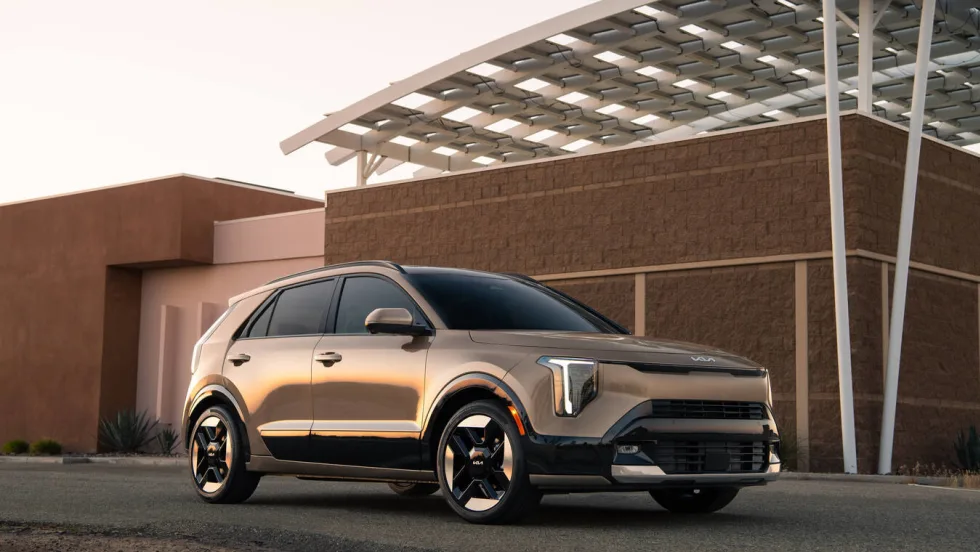
Kia Closes Out Summer With a Bang
Its U.S. subsidiary broke multiple records in August, in part due to a surge of demand for hybrids models.
Read More →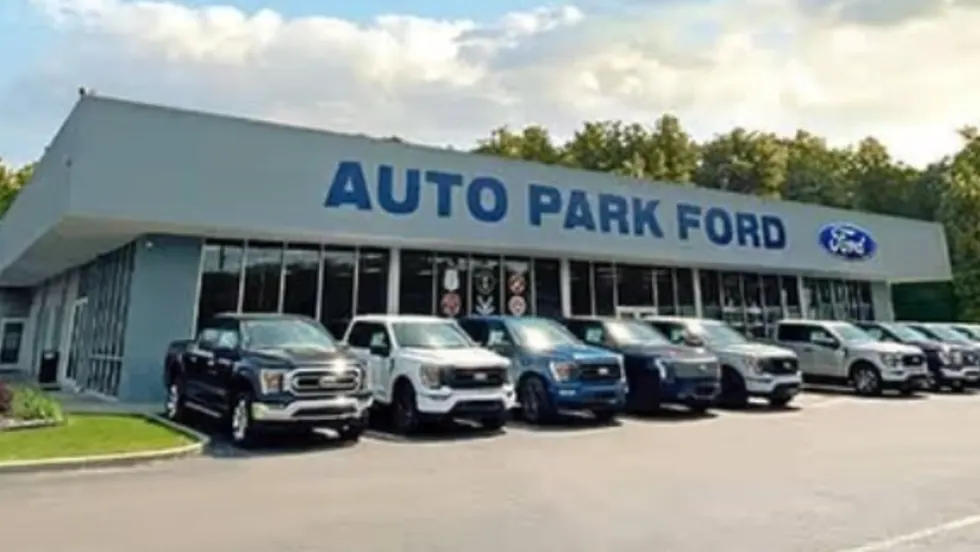
Indiana Dealership Changes Hands
A 30-year-old Ford dealership in Indiana has a new owner and will soon be undergoing renovations to meet manufacturer requirements.
Read More →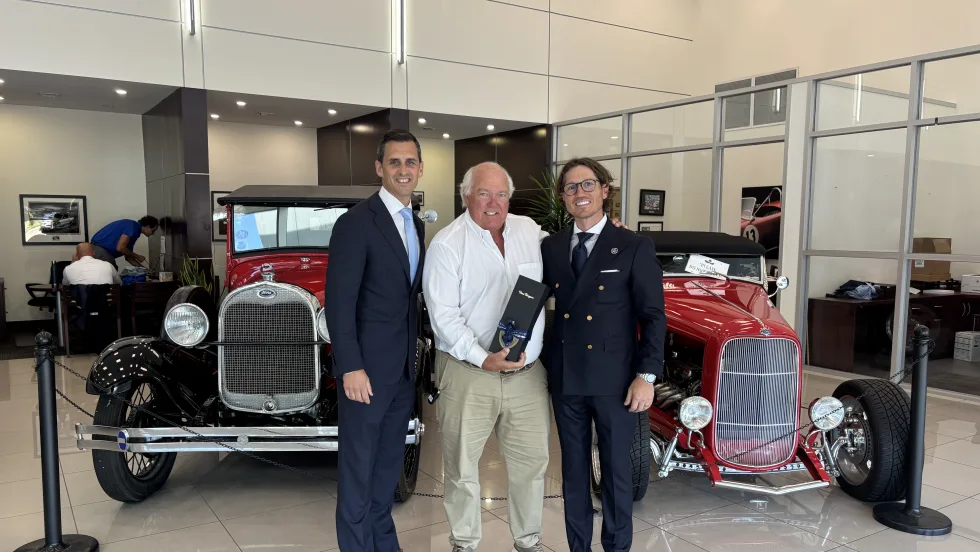
Texas Dealership No Longer in the Family
The Ford store, a longtime cornerstone of the Houston market, is now part of one of the fastest-growing U.S. auto groups.
Read More →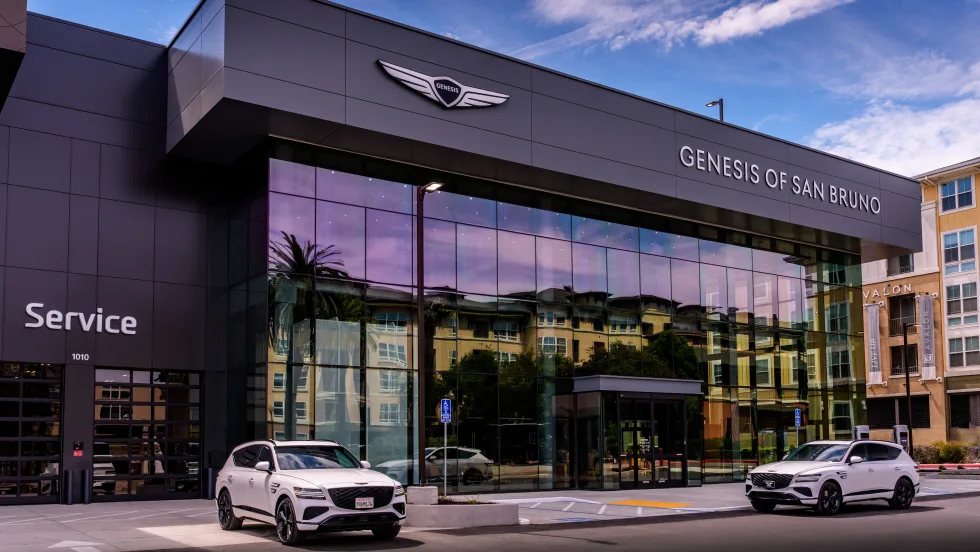
Genesis Grows California Presence
The Cardinale Automotive Group opened its third Genesis rooftop in the Golden State, Genesis of San Bruno, a stand-alone dealership serving the San Francisco Bay Area.
Read More →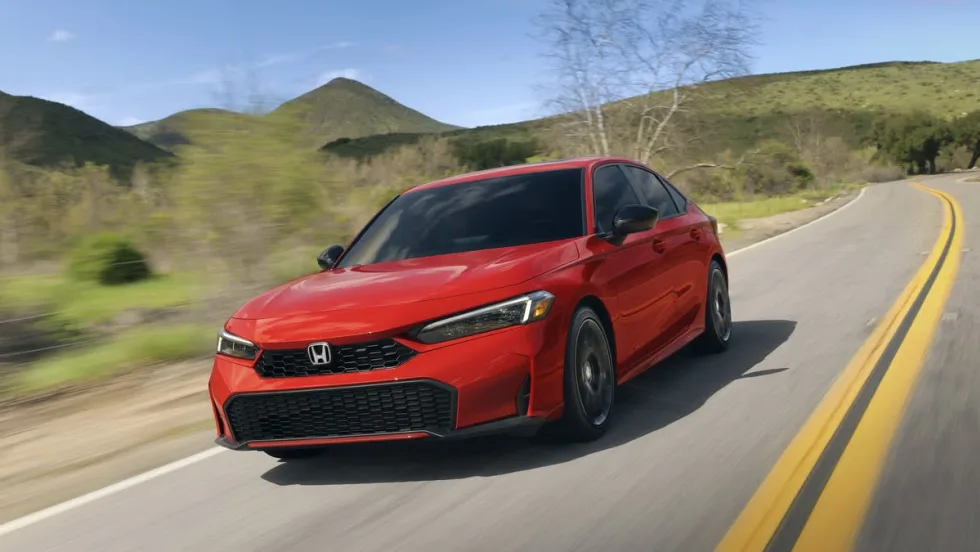
August Auto Sales a Mixed Bag
An early forecast shows strong business despite consumer hurdles, and hybrids are a big piece of their affordability coping strategy.
Read More →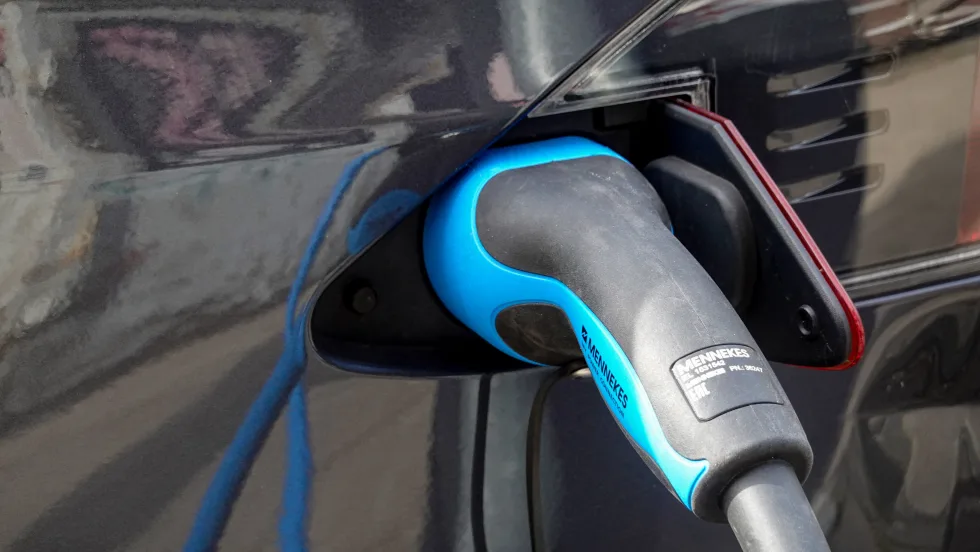
EV Market Humming Along
July sales show steady growth as the segment stabilizes from last year’s artificial surge following pullback of federal support.
Read More →
Auto Loan Delinquency Rates Stabilize
Auto loans are a main driver of nonmortgage consumer debt, but delinquency rates stabilized in the second quarter across all credit risk tiers.
Read More →