


Founder, Executive Chairman of Fisker Automotive Quits

Via CNBC
Henrik Fisker, the founder and Executive Chairman of Fisker Automotive, told CNBC he is leaving the company due to differences with the company's current leadership.
"There are a lot of issues and differences I have with this company and the management team right now," Fisker said. "This is the best move for me right now."
Fisker leaves at a tumultuous time for the electric car company that has struggled with slow sales and a lack of liquidity. The company's first model, the extended range electric Karma, has been criticized as being too heavy and too inefficient. Since the Karma went on sale in 2011, Fisker Automotive has sold fewer than 2,000 models. The Fisker Karma sells for more than $100,000.
Under Henrik Fisker's leadership, Fisker Automotive was granted a $529 Million loan from the Department of Energy in September of 2009. It was hailed by environmentalists as an example of the government working with the auto industry to help develop electric cars and revive America's auto industry. After all, Fisker planned to eventually build cars at a former General Motors assembly plant in Delaware. That never happened. Instead, Fisker built the Karma in Finland saying there were no assembly plants in the U.S. that could build the luxury electric car on a contract basis.
The decision ignited a firestorm of controversy as critics blasted Fisker and the Obama Administration for using federal money to fund auto manufacturing in Europe. For a while, the Fisker DOE loan became a central point of the U.S. race for President as Republican nominee Mitt Romney blasted President Obama for lending federal money to a company that was struggling and building cars in Finland.
In 2011, the DOE suspended the Fisker Automotive line of credit after loaning the company $190 million of the $529 million the company was authorized to receive.
Meanwhile, as Fisker tried to get its finances in order, its launch model seemed to constantly be in the news for having problems. In 2011, the EPA rated the high priced EV as delivering the equivalent of 52 MPG, and an all-electric range of just 32 miles.
The results were well below what Fisker had promised and what auto enthusiasts expected. Early last year, the $107,000 Karma model Consumer Reports bought and was test driving stalled during its initial drive and had to be towed to a service center. Pictures of the Karma being loaded onto a flatbed tow truck became an embarrassing symbol of Karma problems.
Finally, during Hurricane Sandy last year, Fisker lost 300 new Karma models that were damaged in the storm. An estimated $30 Million dollars in vehicles lost at a time when Fisker was struggling to get models into showrooms and into the hands of potential buyers.
More Industry

Achromatic Autos
The shades that dominate the U.S. car market don’t call attention to themselves, though grayscale may have plateaued after a 30-year upswing, research shows.
Read More →
Used-Vehicle Affordability Worsens
Listing prices in August defied seasonal trends, rising above $27,000 for the second time this year.
Read More →
First-Half Dealership Deals Up
Buy-sell activity shows that acquirers are looking for value and scale as many retailers seek to leave an increasingly competitive and complex market, Kerrigan Advisors reports.
Read More →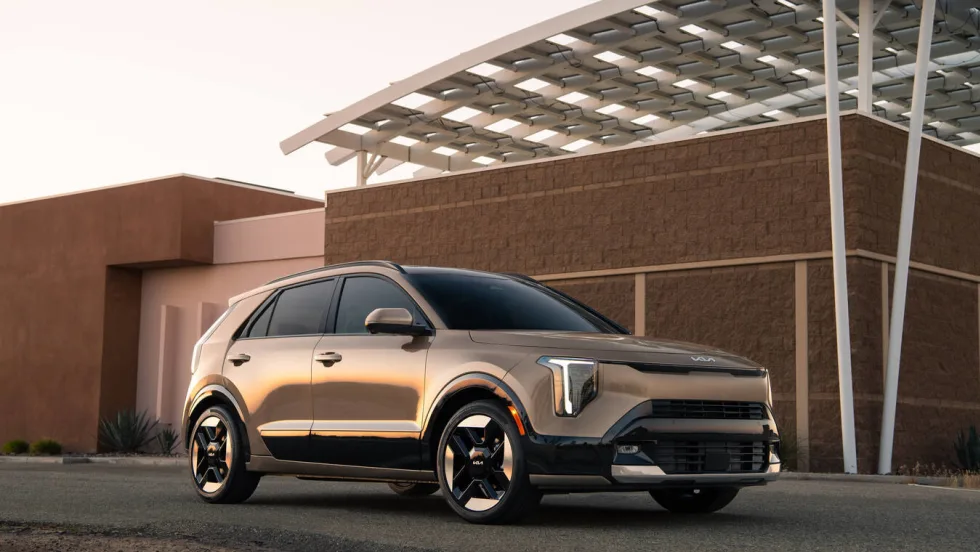
Kia Closes Out Summer With a Bang
Its U.S. subsidiary broke multiple records in August, in part due to a surge of demand for hybrids models.
Read More →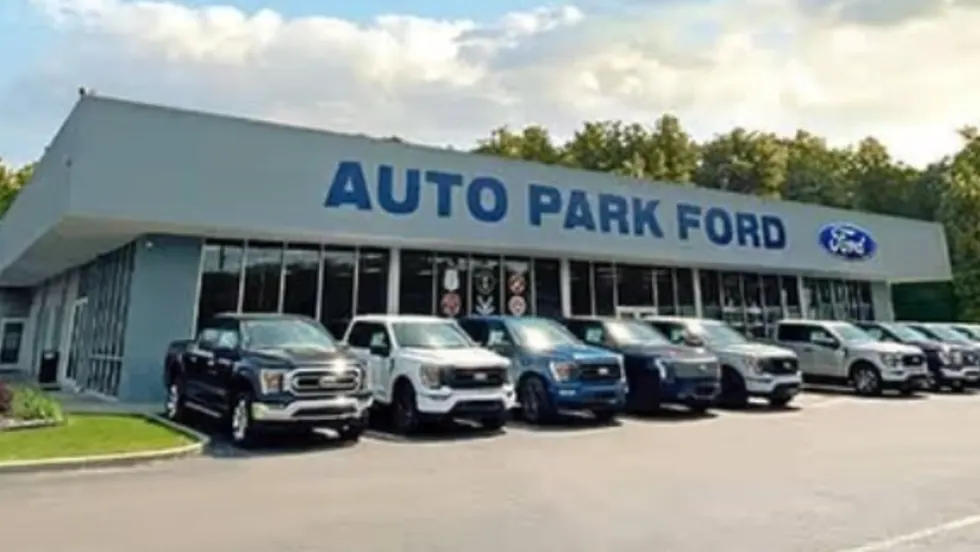
Indiana Dealership Changes Hands
A 30-year-old Ford dealership in Indiana has a new owner and will soon be undergoing renovations to meet manufacturer requirements.
Read More →
Texas Dealership No Longer in the Family
The Ford store, a longtime cornerstone of the Houston market, is now part of one of the fastest-growing U.S. auto groups.
Read More →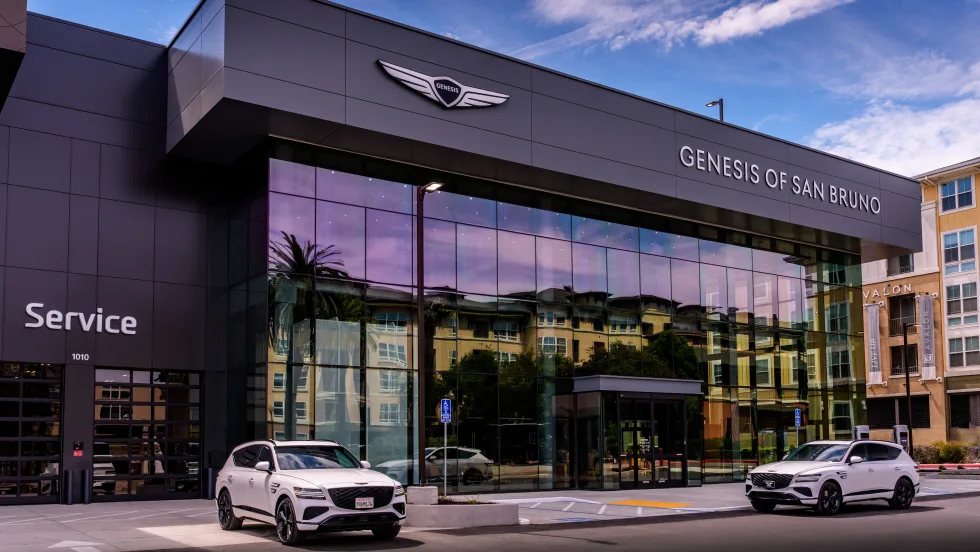
Genesis Grows California Presence
The Cardinale Automotive Group opened its third Genesis rooftop in the Golden State, Genesis of San Bruno, a stand-alone dealership serving the San Francisco Bay Area.
Read More →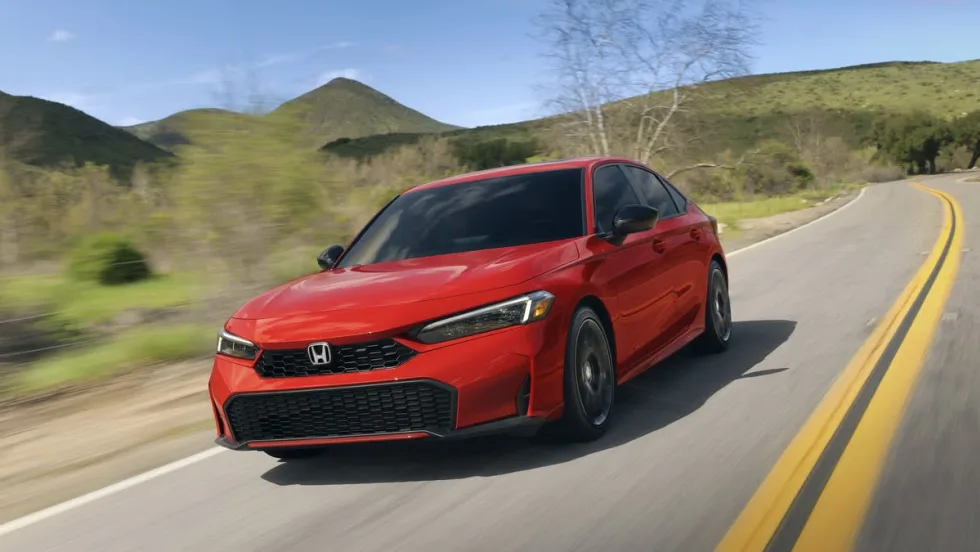
August Auto Sales a Mixed Bag
An early forecast shows strong business despite consumer hurdles, and hybrids are a big piece of their affordability coping strategy.
Read More →
EV Market Humming Along
July sales show steady growth as the segment stabilizes from last year’s artificial surge following pullback of federal support.
Read More →
Auto Loan Delinquency Rates Stabilize
Auto loans are a main driver of nonmortgage consumer debt, but delinquency rates stabilized in the second quarter across all credit risk tiers.
Read More →