


Fresh Auto Consumer Loyalty Perspective
Retention picture changes across power trains, demographics and auto segments, study finds


Industrywide, 38% of auto consumers changing power trains stayed loyal to their previous brands.
Pexels/Brett Jordan
When U.S. auto consumers are in the market for a different power train than their current models, they’re more likely to switch brands for the change-up.
In fact, loyalty to power train type is significantly greater than brand loyalty, S&P Global Mobility says it found. Of households shopping for a new vehicle, 74% stick with the same power trains they’ve had, compared to 51% who stay with the same auto brands.
But consumers switching power trains tend to shop around: 62% of households doing so switched brands at the same time, according to S&P Mobility’s research. The automotive data provider observed the phenomenon among both households switching from gas-powered to alternative-fuel power trains and vice versa.
The pattern presents challenges and opportunities for auto dealers, the challenge of keeping customers in the fold, and the opportunity of winning over a competing brand’s loyalists. S&P says households tend to return to the auto market every 3½ years.
Of those, about half switch brands, it said. But among the three out of four who keep the same power train, 56% stay with the same auto brand they bought from the last time.
The research also found differences among consumer demographic groups and auto market segment.
Between July 2024 and this past June, more Asian households switched both brand and power train than those that changed brands but stuck with the same power trains, S&P said, while just 27% of black households that jumped to new brands also switched power trains.
Meanwhile, a similarly low 26% of luxury auto consumers changing power trains stayed loyal to their previous brands, compared to 38% industrywide and 41% for mainstream brands.
S&P advises auto brands to target their marketing to households open to power train switch-ups in an effort that can at the same time reveal those loyal to their current power trains and brands.
“The more granular your targeting, the more effective your strategy will be,” the report says.
Originally posted on F&I and Showroom
More Industry
Charger Network Growth Slows
Despite a projected increase in public EV chargers in 2026, charging infrastructure remains a top concern for consumers as the gap between the most and least EV-friendly places remains substantial.
Read More →
Lenders, Consumers Take on More Auto Loan Risk
September records loosened credit access the most in over a decade as buyers took advantage of the conditions to afford trading, though loan applications fell.
Read More →
Next-Gen Hybrids in Sight
Dealerships can expect to see revamped hybrids from Honda next year as the company rolls out a new system and model lineup.
Read More →
Gem State Stores Change Hands
A larger auto group founded in the industry’s early years sold two franchises to a neighbor group that's on a growth spurt.
Read More →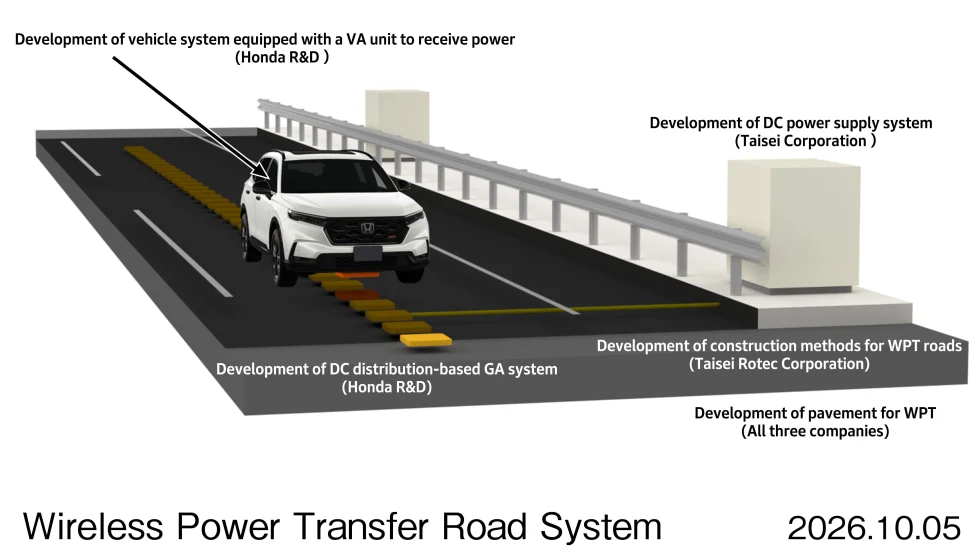
Charging In Motion
Honda has been researching wireless in-motion charging for electric vehicles since 2025, and new technology developments have put it a step closer to a final product.
Read More →
Twin Cities Stores Sell
Minnesota-based Walser Automotive Group made what it called the most significant acquisition in its history with a three-rooftop deal in Minneapolis.
Read More →
U.S. Auto Sales Still Below Prepandemic Levels
Mobility Global industry observers don’t expect the market to return to the higher volumes that became routine before Covid but to stay well below its potential.
Read More →
The Powertrain Shift
Electric-vehicle owners are backpedaling, according to new data, with product availability driving many to shift back to gas-powered engines.
Read More →
Achromatic Autos
The shades that dominate the U.S. car market don’t call attention to themselves, though grayscale may have plateaued after a 30-year upswing, research shows.
Read More →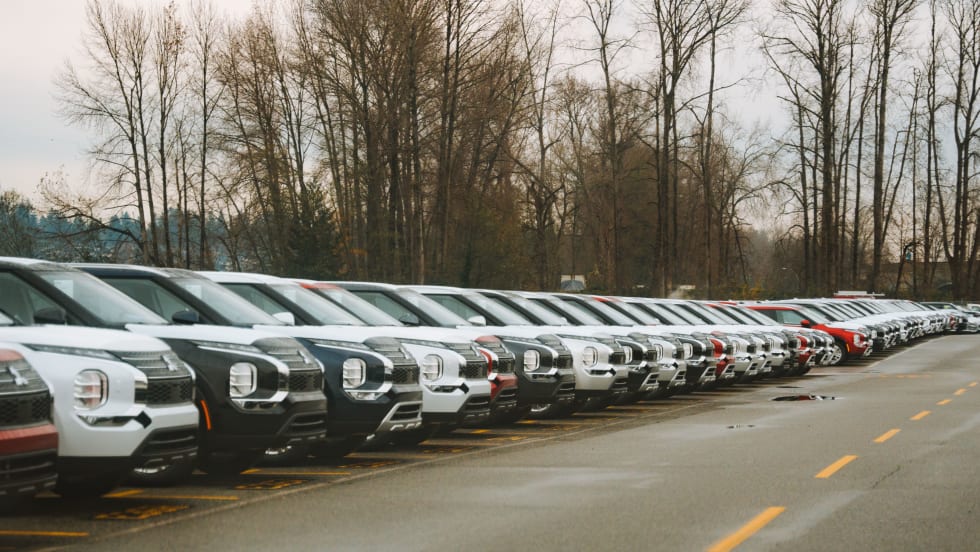
Used-Vehicle Affordability Worsens
Listing prices in August defied seasonal trends, rising above $27,000 for the second time this year.
Read More →