


Gas Drivers Least Likely to Shop Electric
Non-EV drivers show a decreased interest in future EV buying, according to CDK.

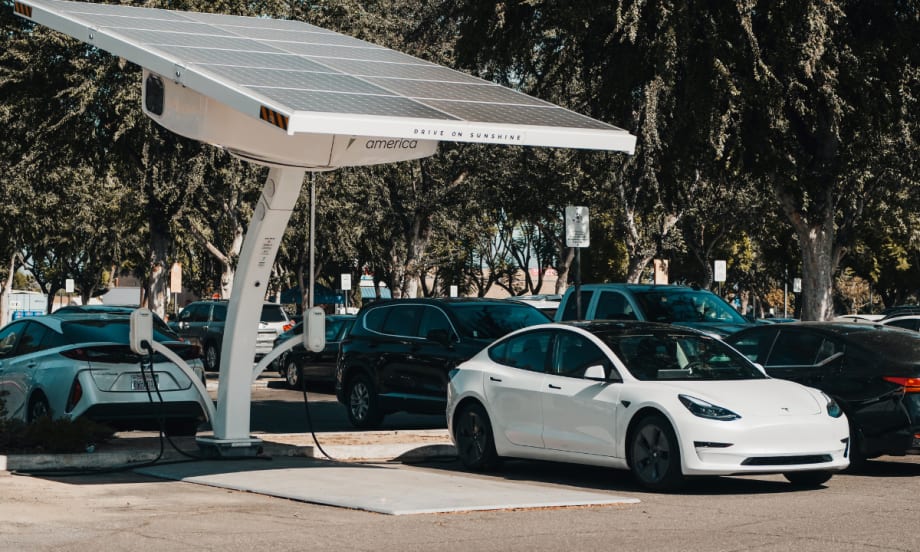
Eighty-eight percent of EV shoppers said their decision to purchase is influenced by their family and friends.
Canva
New research shows that interest in electric-vehicle purchases has waned. The "Car Shopper Shifts on EVs" study by CDK reveals changed consumer sentiment on the EV market, including that of gas, hybrid and plug-in hybrid drivers. The findings come after the end of the federal EV tax credit on Oct. 1.
CDK's study found in part that gas shoppers are the least likely to purchase an EV in the future and that EV shoppers are loyal to electrification and likely to repurchase.
Consumer interest in EVs is down across the board for non-EV drivers in 2025, according to the study. Gas drivers reported the lowest likelihood to purchase an EV in the future at just 11%, down sharply from 31% in 2024. Hybrid drivers reported a 35% interest, down from 54%. Plug-in hybrid drivers reported the highest interest level at 54%, down only 4%.
The study said that one major concern after the end of the tax credit is a drop in leasing. With the old incentive, leasing was attractive to nearly all EV drivers. When asked if future federal breaks would affect their leasing decisions, 77% of shoppers said that they would consider leasing an EV if they got that kind of incentive.
Other reasons car shoppers are hesitant to enter the EV road include consumers who say EVs don’t “suit their lifestyle.” As has been the case for years, a large part of the aversion results from “range anxiety.” Nearly a third of gas shoppers reported wanting a minimum EV range of 450-plus miles, a stark contrast to the 6% of EV shoppers who reported looking for 450-plus miles of range.
Other issues include a distrust in EV technology and anxiety around charging locations, cost and time commitment.
The good news for auto retailers is the study's finding that dealerships are still at the forefront of EV sales. Only 13% of EV shoppers reported planning to buy entirely online, and 38% said they would complete the entire transaction at the dealership. The highest rate of shoppers, 49%, said they would use a combination of online and dealership shopping.
Originally posted on F&I and Showroom
More Industry
Charger Network Growth Slows
Despite a projected increase in public EV chargers in 2026, charging infrastructure remains a top concern for consumers as the gap between the most and least EV-friendly places remains substantial.
Read More →
Lenders, Consumers Take on More Auto Loan Risk
September records loosened credit access the most in over a decade as buyers took advantage of the conditions to afford trading, though loan applications fell.
Read More →
Next-Gen Hybrids in Sight
Dealerships can expect to see revamped hybrids from Honda next year as the company rolls out a new system and model lineup.
Read More →
Gem State Stores Change Hands
A larger auto group founded in the industry’s early years sold two franchises to a neighbor group that's on a growth spurt.
Read More →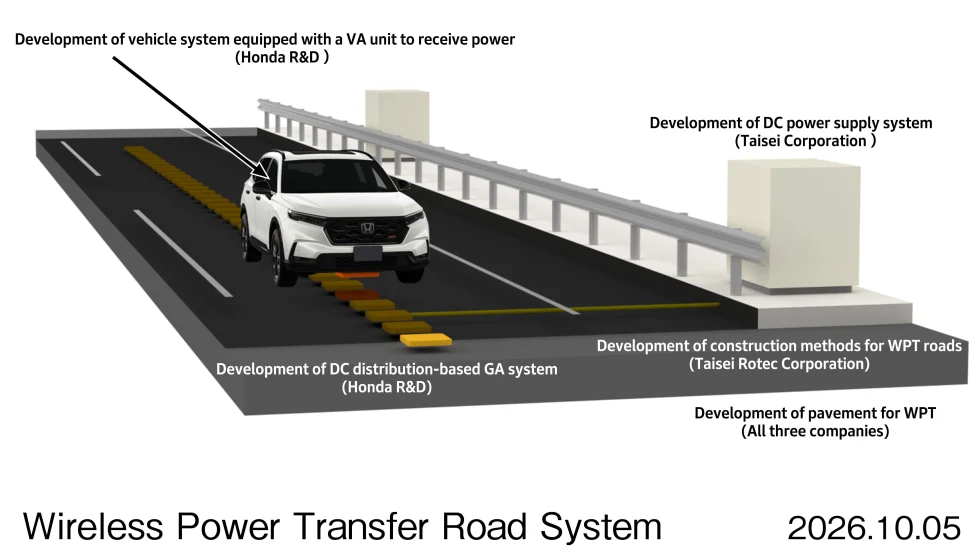
Charging In Motion
Honda has been researching wireless in-motion charging for electric vehicles since 2025, and new technology developments have put it a step closer to a final product.
Read More →
Twin Cities Stores Sell
Minnesota-based Walser Automotive Group made what it called the most significant acquisition in its history with a three-rooftop deal in Minneapolis.
Read More →
U.S. Auto Sales Still Below Prepandemic Levels
Mobility Global industry observers don’t expect the market to return to the higher volumes that became routine before Covid but to stay well below its potential.
Read More →
The Powertrain Shift
Electric-vehicle owners are backpedaling, according to new data, with product availability driving many to shift back to gas-powered engines.
Read More →
Achromatic Autos
The shades that dominate the U.S. car market don’t call attention to themselves, though grayscale may have plateaued after a 30-year upswing, research shows.
Read More →
Used-Vehicle Affordability Worsens
Listing prices in August defied seasonal trends, rising above $27,000 for the second time this year.
Read More →