


GM and Ford Seek Permission to Deploy Autonomous Vehicles
GM and Ford seek exemptions to deploy a limited number of self-driving vehicles without human controls like steering wheels and brake pedals.

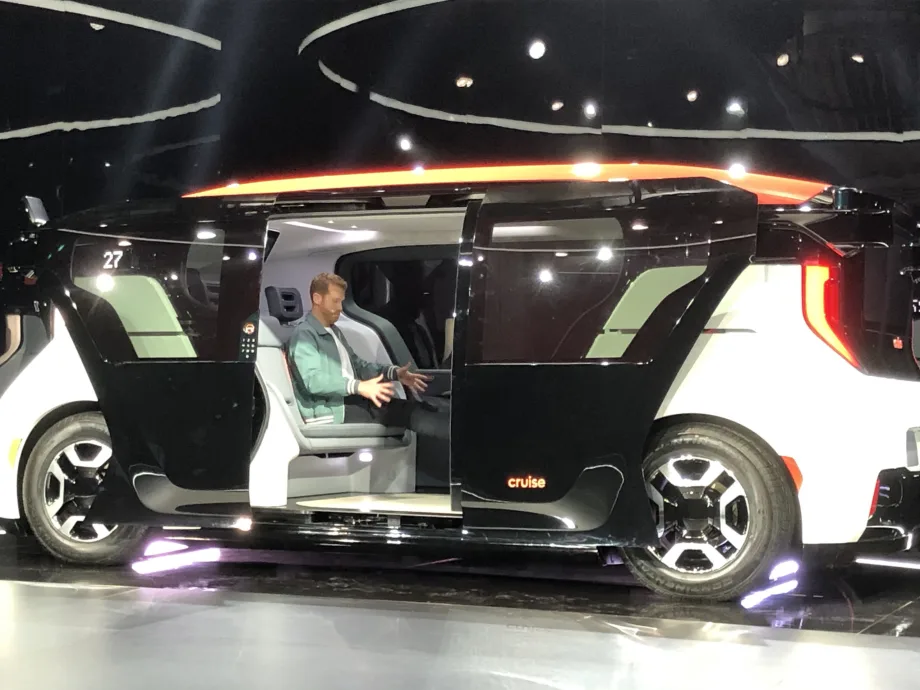
GM Origin
GM
GM and Ford are asking U.S. auto safety regulators to grant exemptions to be able to deploy a limited number of self-driving vehicles without human controls like steering wheels and brake pedals.
GM and its self-driving technology unit, Cruise, petitioned National Highway Traffic Safety Administration (NHTSA) in February for permission to deploy self-driving vehicles without steering wheels, mirrors, turn signals or windshield wipers.
Ford petitioned NHTSA in July 2021, to deploy a self-driving ride hailing and package delivery vehicle early in this decade. The automaker stressed that for its self-driving vehicles "having active driving controls and communications would introduce an unacceptable risk to safety."
NHTSA has published the separate petitions and opened them for public comment for 30 days.
The regulatory body has the authority to grant petitions that allow a limited number of vehicles to operate on U.S. roads without required human controls. The automakers want to deploy up to 2,500 vehicles a year, the maximum allowed under the law, for ride sharing and delivery services. Neither GM nor Ford seek approval to sell self-driving vehicles to consumers.
GM seeks to deploy the Origin, with automated doors and no steering wheels. The automaker stressed the vehicles will require passengers to buckle up before the autonomous ride.
Ford wants to deploy self-driving hybrid-electric vehicles that are "specifically designed and tailored to support mobility services such as ride sharing, ride hailing and package delivery."
According to a Ford spokesperson, the "petition is an important step toward helping create a regulatory path that allows autonomous technologies to mature over time, eliminating controls and displays that are only useful to human drivers."
The NHTSA will carefully examine each petition to keep safety a priority and to ensure access for people with disabilities, equity and the environment.
Originally posted on Auto Dealer Today
More Product & Technology

Build Versus Buy in the Age of AI
The total cost of ownership for an internal claims and contract platform build exceeds the risk-adjusted economics of partnering with a specialized provider.
Read More →
Set Yourself Apart
Product providers can follow the lead of industry cohorts in the practice of leveraging their brands through private labeling, pumping new energy into their platforms to stand out from competitors.
Read More →
EVs Excel at Longevity
Research finds that after a certain mileage point, they outlast gas and diesel vehicles despite being driven more.
Read More →
Integrating AI Into Your Admin System
It’s important for finance-and insurance administrators to build the technology into their existing systems instead of bolting it on.
Read More →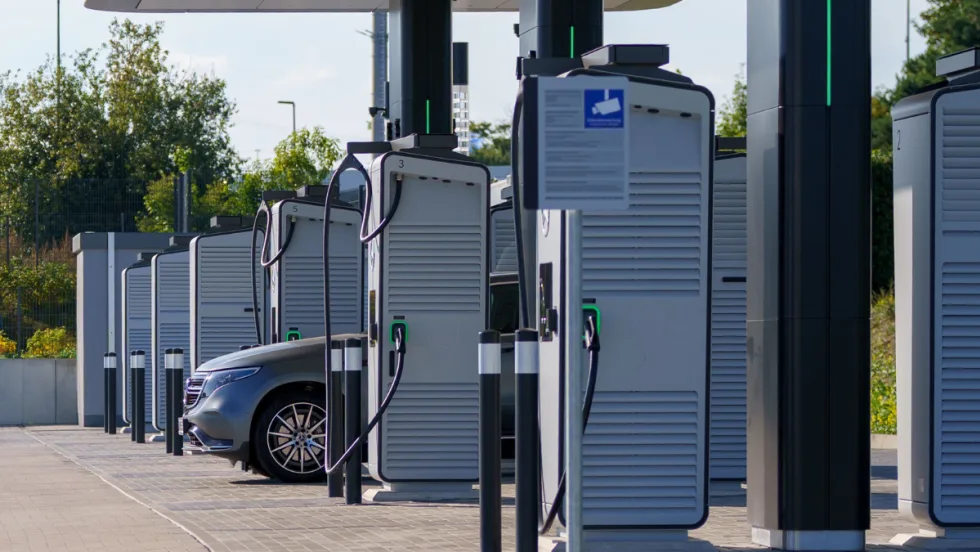
Public EV Charging Improves
The infrastructure buildout in the U.S. is providing more availability and safety at a better cost, according to the latest EV experience study by JD Power.
Read More →
AI in the Dealership
A Cox Automotive poll shows most dealers use it, but only some have found the smartest ways to adapt the surging technological sensation.
Read More →
AAA Honors Service and Repair Facilities
Three automotive dealerships made AAA's Service Providers of Excellence and Best in Repair list this year.
Read More →
EFG Launches Product Admin Platform
The company says the offering is designed to empower administrators, service contract providers, and product marketers to expand automotive and power-sports capabilities.
Read More →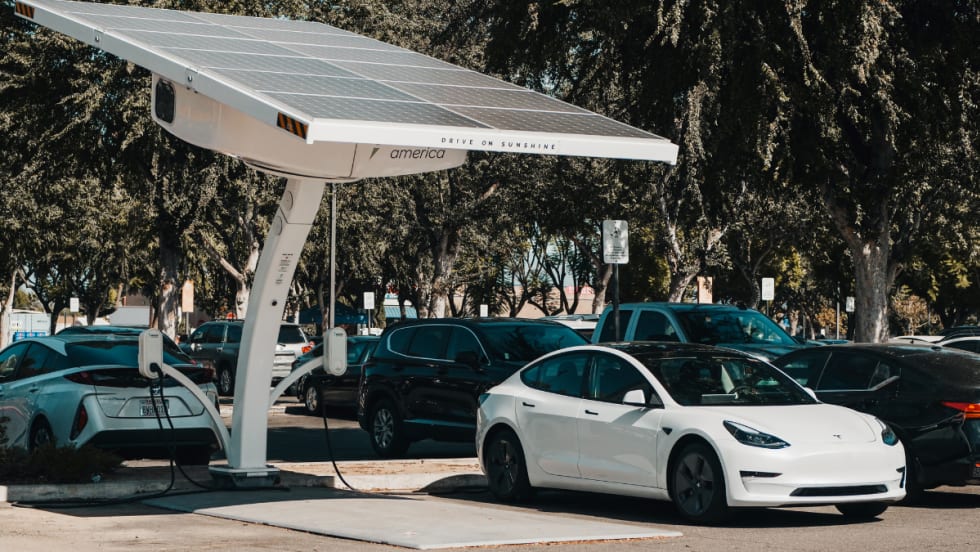
Optimized Charging Could Reduce Costs
According to an Alliance for Automotive Innovation analysis, optimized EV charging could cut costs for drivers and improve grid infrastructure - potential adoption incentives.
Read More →
From Inspection to Impact
Data, video and artificial intelligence are driving service performance today, when inspection performance is closely tied to key business outcomes.
Read More →