


GM Keeps Plants Going Amid Chip Shortage
GM entered a deal with semiconductor chip manufacturers to keep its North American assembly lines in production.


IMI
GM entered a deal with semiconductor chip manufacturers to keep its North American assembly lines in production.
Meanwhile, Ford Motor Co. idles many plants over a chip shortage.
All Detroit Three automakers face an ongoing shortage of semiconductor chips used in many car parts. The shortage has crippled their production across the industry since February 2021. Stellantis is the only company that confirms its North American plants continue to operate as normal.
Ford, currently, is the only company hitting a pause on production.
"I couldn’t speculate about the other companies," Ford spokeswoman Kelli Felker told Detroit Free Press. "The global semiconductor shortage continues to affect Ford’s North American plants – along with automakers and other industries around the world."
GM and Stellantis also saw a series of production disruptions throughout 2021 due to an inability to get chips.
But GM says they will not stop production because of the shortage.
CEO Mary Barra and CFO Paul Jacobson told investors at the Deutsche Bank Center in New York that GM predicts it will grow production volume by 25% to 30% globally in 2022 compared to 2021. The company secured deals with the chipmakers in its supply chain, according to a research note on Monday from Deutsche Bank analyst Emmanuel Rosner.
Ford has disrupted production at six North American plants as it works to mitigate the impact of the unavailable chips.
"Behind the scenes, we have teams working on how to maximize production, with a continued commitment to building every high-demand vehicle for our customers with the quality they expect," Felker said.
The company idled the following plants as of Monday:
Michigan Assembly: Bronco and Ranger production.
Chicago Assembly: Explorer, Lincoln Aviator and Police Interceptor SUV production.
Kansas City Assembly: F-150 production.
Cuautitlan Assembly plant in Mexico: Mustang Mach-E production.
Dearborn Truck and Kansas City Transit production will run on one shift.
Barra told Wall Street last week that the chip shortage is easing and that she expected supply of chip parts to improve as the year progressed.
In the Deutsche Bank research note, Rosner said GM's confidence that it can grow its production volume is based on "firm supply commitments from its semiconductor manufacturers across the chain."
"GM said it has been working with the supply base, tier 2 and tier 3 suppliers and built strategic relationships with manufacturers, providing it more transparency earlier," Rosner said. "The company has received firm commitment from semiconductor suppliers."
In 2021, GM built 3,990,845 vehicles, down 13.8% from 2020, said Sam Fiorani, vice president of Global Vehicle Forecasting at AutoForecast Solutions. But he forecasts that GM will grow its production this year by 29.1% to over 5.15 million units, "as long as supplies of parts remains steady."
Originally posted on Auto Dealer Today
More Industry

Charger Network Growth Slows
Despite a projected increase in public EV chargers in 2026, charging infrastructure remains a top concern for consumers as the gap between the most and least EV-friendly places remains substantial.
Read More →
Lenders, Consumers Take on More Auto Loan Risk
September records loosened credit access the most in over a decade as buyers took advantage of the conditions to afford trading, though loan applications fell.
Read More →
Next-Gen Hybrids in Sight
Dealerships can expect to see revamped hybrids from Honda next year as the company rolls out a new system and model lineup.
Read More →
Gem State Stores Change Hands
A larger auto group founded in the industry’s early years sold two franchises to a neighbor group that's on a growth spurt.
Read More →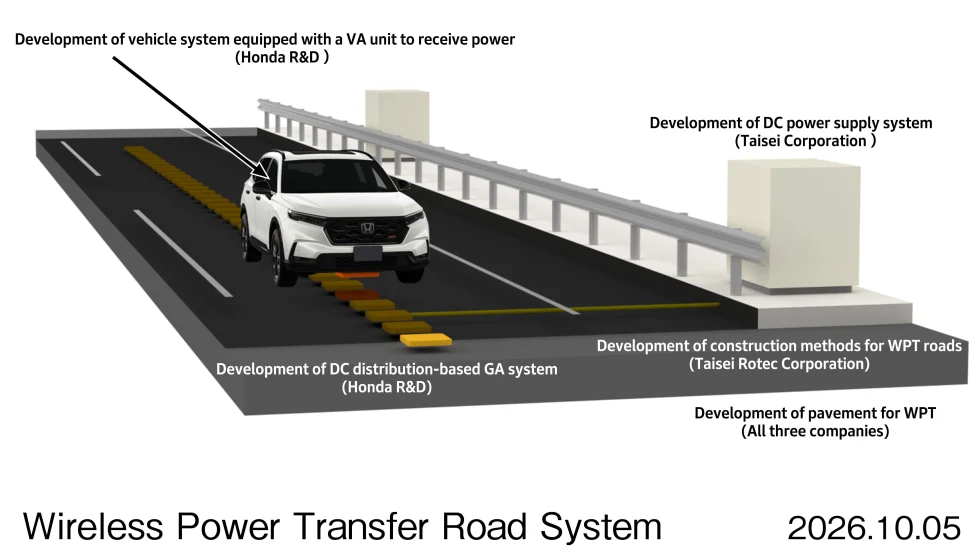
Charging In Motion
Honda has been researching wireless in-motion charging for electric vehicles since 2025, and new technology developments have put it a step closer to a final product.
Read More →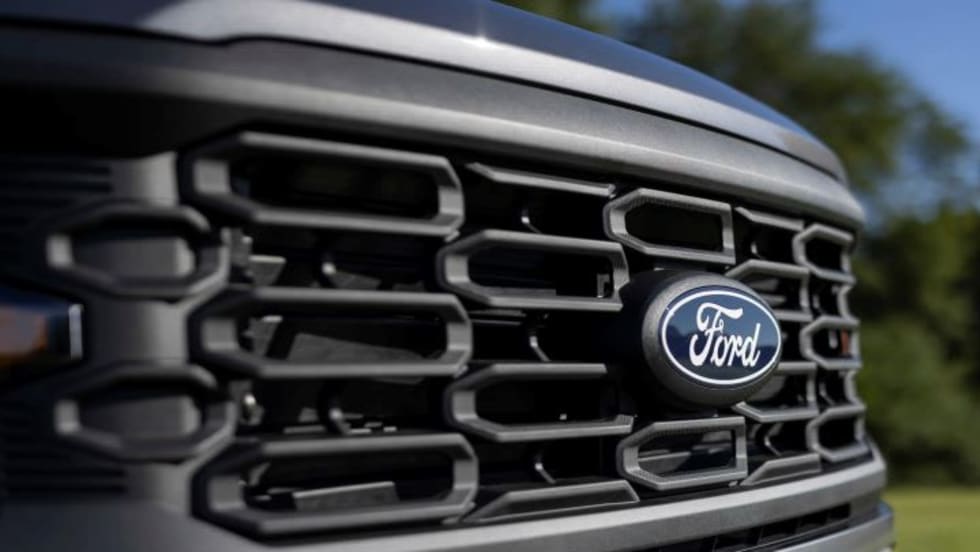
Twin Cities Stores Sell
Minnesota-based Walser Automotive Group made what it called the most significant acquisition in its history with a three-rooftop deal in Minneapolis.
Read More →
U.S. Auto Sales Still Below Prepandemic Levels
Mobility Global industry observers don’t expect the market to return to the higher volumes that became routine before Covid but to stay well below its potential.
Read More →
The Powertrain Shift
Electric-vehicle owners are backpedaling, according to new data, with product availability driving many to shift back to gas-powered engines.
Read More →
Achromatic Autos
The shades that dominate the U.S. car market don’t call attention to themselves, though grayscale may have plateaued after a 30-year upswing, research shows.
Read More →
Used-Vehicle Affordability Worsens
Listing prices in August defied seasonal trends, rising above $27,000 for the second time this year.
Read More →