


GM Retools Supply Chain to Get Delayed Vehicles to Dealerships
GM retools supply chain to get tens of thousands of vehicles awaiting parts to consumers quickly and ward off future supply chain challenges.


GM CFO Paul Jacobson
General Motors is retooling its supply chain to get tens of thousands of vehicles awaiting parts to consumers quickly and to protect the company from future economic or supply challenges.
GM CFO Paul Jacobson told attendees at the virtual JP Morgan Auto Conference 2022 that the company is "trying to be very cautious, but not alarming, in terms of what we see as potential headwinds down the road."
The exec admitted the global shortage of chips hit GM harder than expected in the second quarter and caused the automaker to hold back 95,000 new vehicles from delivery until chips arrived to complete their production.
GM’s second quarter earnings came in 39% lower than the same period in 2021 because of these production disruptions, Jacobson said. However, he assured Wall Street in late July that the automaker will complete and deliver the delayed vehicles to dealers by year’s end.
"We’re leaning in very, very aggressively to get those vehicles to market because the demand is there," Jacobson said. "We need to get them in customers’ hands."
Jacobson noted the automaker expected some vehicles to be built without certain chips but did not anticipate the shortage to be as high as it was and hit the company late in the second quarter.
He reported GM has made "tremendous progress" in getting parts to finish those vehicles, noting the company clearing out 20,000 of the backlog in July.
GM has prioritized which plants and products will receive chips first, he said. GM also has invested in priority freight, expedited freight and air shipping to keep the production line full, he said.
"There’s a lot of cost pressures in the system that we’ve been dealing with that I think will start to work their way out as we get into 2023, 2024 and if we see an economic slowdown," Jacobson said.
The automaker’s long-term approach will center on designing vehicles that require fewer chip parts and better control over getting the parts it needs.
"We’ve taken the step of reducing the number of chip families by 95% that are going to go into the vehicles," Jacobson said. "By the middle of the decade, we’ll have three chip families and we’ll go all the way down the manufacturing tier to make sure that we’re helping to control the production of the chips and partnering with the chipmakers themselves."
GM CEO Mary Barra told Associated Press a month ago that in the future GM will control chip situation.
The company will acquire chips in bulk through chipmaking partners to keep supply flowing. Vehicles will use fewer chips able to perform multiple tasks to eliminate a need for dozens of chips for each car.
"The simplification is going to be tremendously beneficial to us as we look to scale and look to get more consistency in the supply chain over the longer term," Jacobson said. "We’ve applied many of those lessons to battery raw materials."
Originally posted on Auto Dealer Today
More Industry
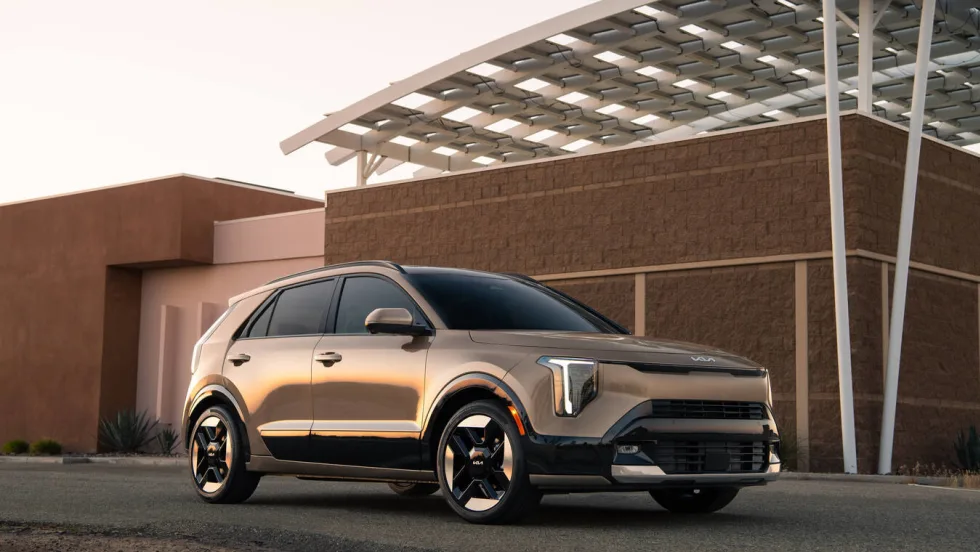
Kia Closes Out Summer With a Bang
Its U.S. subsidiary broke multiple records in August, in part due to a surge of demand for hybrids models.
Read More →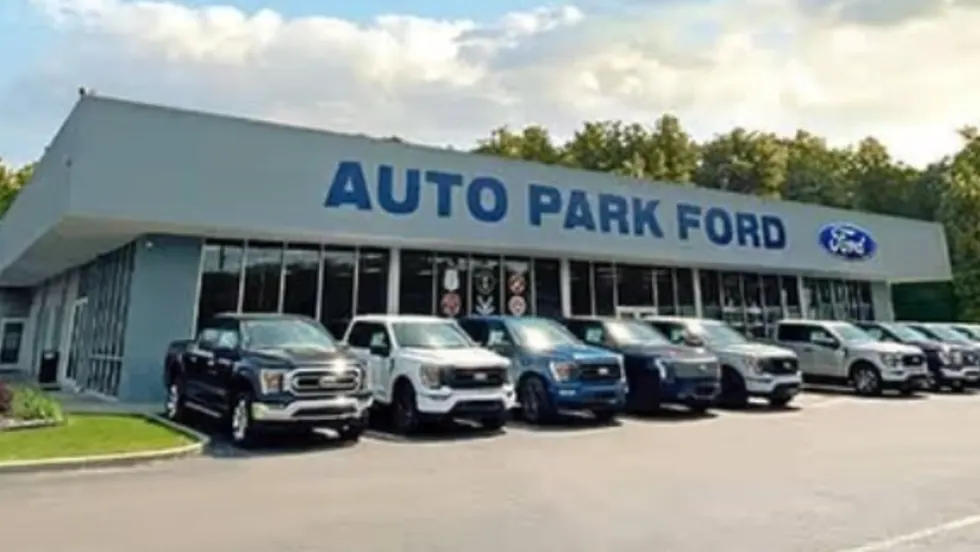
Indiana Dealership Changes Hands
A 30-year-old Ford dealership in Indiana has a new owner and will soon be undergoing renovations to meet manufacturer requirements.
Read More →
Texas Dealership No Longer in the Family
The Ford store, a longtime cornerstone of the Houston market, is now part of one of the fastest-growing U.S. auto groups.
Read More →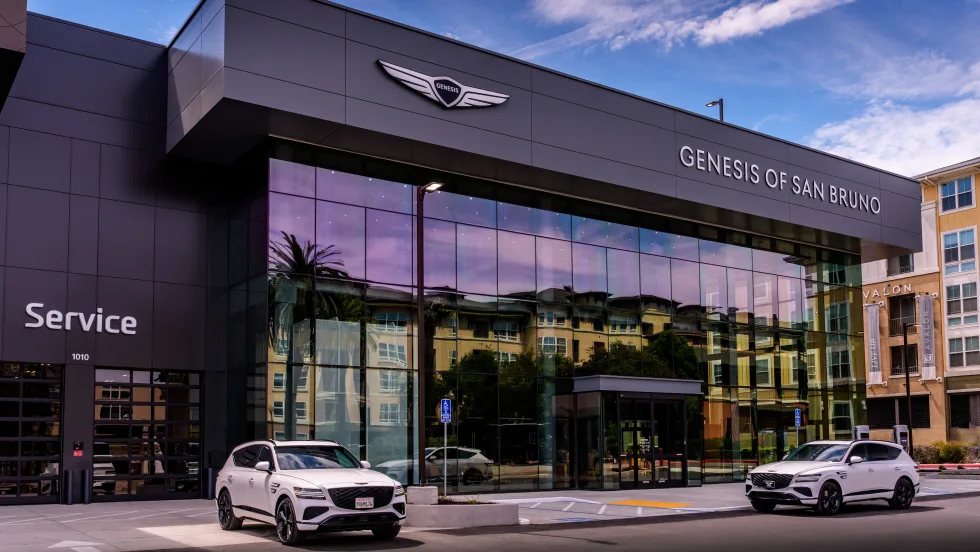
Genesis Grows California Presence
The Cardinale Automotive Group opened its third Genesis rooftop in the Golden State, Genesis of San Bruno, a stand-alone dealership serving the San Francisco Bay Area.
Read More →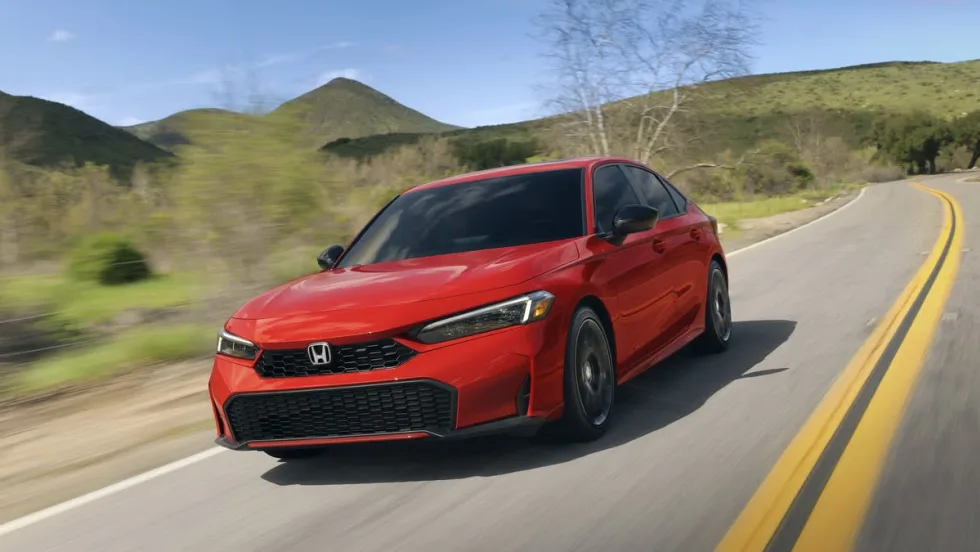
August Auto Sales a Mixed Bag
An early forecast shows strong business despite consumer hurdles, and hybrids are a big piece of their affordability coping strategy.
Read More →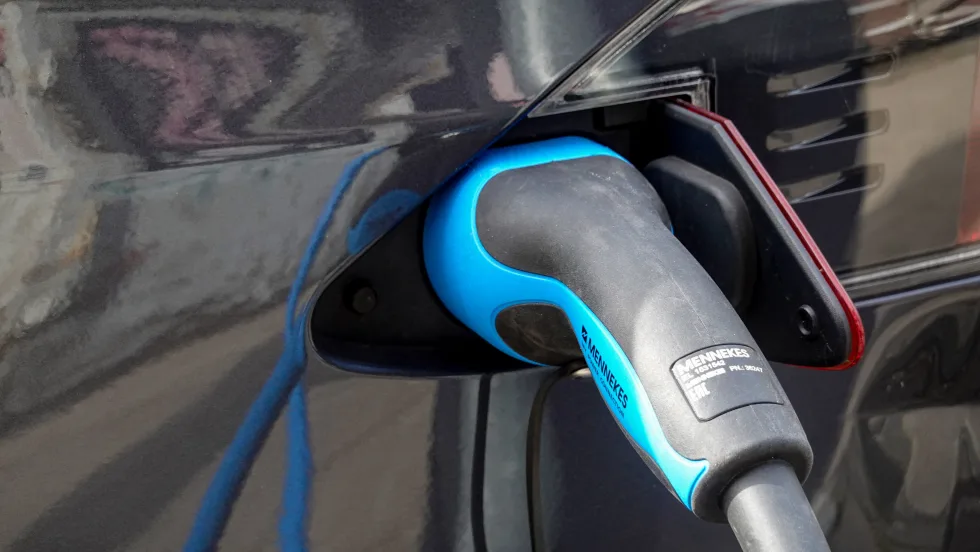
EV Market Humming Along
July sales show steady growth as the segment stabilizes from last year’s artificial surge following pullback of federal support.
Read More →
Auto Loan Delinquency Rates Stabilize
Auto loans are a main driver of nonmortgage consumer debt, but delinquency rates stabilized in the second quarter across all credit risk tiers.
Read More →
EV Sales Recover in Q2
The EV sales roller coaster continues as numbers show improvement, but industry experts predict a year-over-year third-quarter decline and fourth-quarter jump.
Read More →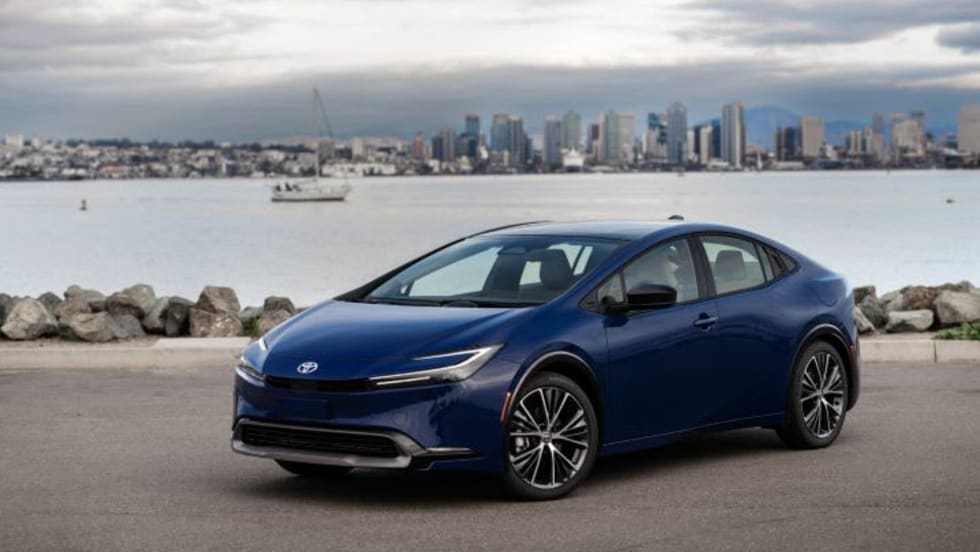
The Cheapest Hybrids to Fuel
The powertrain is increasing in popularity, in no small part due to its fuel economy. A new report lists the most efficient hybrids on the market.
Read More →
Hybrids and SUVs Gaining Ground
The most recent Kelley Blue Book Brand Watch found that only two nonluxury brands increased in shopper consideration, buoyed by their hybrid and SUV offerings.
Read More →