


GOP Presidential Candidates Criticize Auto Bailout

WASHINGTON — The eight major Republican presidential candidates don't agree on everything — but all oppose the decision by Congress and President George W. Bush to approve a $700 billion bailout fund for banks, insurance companies and the auto industry.
Republicans denounce the $85 billion bailout of the auto industry. They argue it was a giveaway to the United Auto Workers union ahead of other creditors because a union health care trust fund got large stakes in General Motors and Chrysler.
At a CNN debate in June, moderator John King asked: "Is there anyone here who, given that prospect, and President Bush started the program, given that prospect, anyone here who would have stepped in and said, 'I don't want to do this, but this is the backbone of American manufacturing, I'll do something?'"
No one supported it.
President Barack Obama has repeatedly touted his unpopular decision to save General Motors Co. and Chrysler Group LLC and made it a touchstone of his re-election strategy.
The president has visited seven Big Three auto plants since taking office — and visited Detroit on Labor Day. He has argued that Republicans were willing to let General Motors and Chrysler Group LLC fail and repeatedly said: "Don't bet against American workers."
Obama's advisers were split in March 2009 over whether to save Chrysler; Obama agreed to an additional bailout for Chrysler if it tied up with Fiat SpA.
His advisers have noted the heavy toll a collapse of GM and Chrysler could have had on the Midwest. Former auto adviser Steve Rattner said Michigan could have been forced to file for bankruptcy if GM and Chrysler had liquidated.
Obama chides his opponents who weren't willing to step in.
"There were a lot of politicians who said it wasn't worth the time and wasn't worth the money. In fact, there are some politicians who still say that," he said Oct. 14 at GM's Orion Assembly. "The investment paid off. The hundreds of thousands of jobs that have been saved made it worth it.
Republicans point to the fact that the Treasury Department estimates it will lose $14.3 billion on the auto bailouts. Others argue the administration could have taken a tougher line in crafting the bailouts.
But Chrysler repaid all of its government loans, and the government booked a $1.3 billion loss on its $12.5 billion as it completely exited.
Taxpayers have recovered $23.2 billion of the $49.5 billion GM bailout, and the Treasury cut its majority stake to 27 percent.
Republicans argue that the companies should have gone through a traditional bankruptcy, seeking funding from banks.
Bush in December 2008 provided $25 billion to GM, Chrysler and their finance arms, saying there was no other choice. "In the midst of a financial crisis and a recession, allowing the U.S. auto industry to collapse is not a responsible course of action," Bush said.
In a Detroit News interview in September, former Massachusetts Gov. Mitt Romney said the companies should have gone directly to bankruptcy rather than wait until 2009.
"They needed to move into a managed bankruptcy process rather than getting money up front by President Bush or President Obama," Romney said. "They wasted a lot of money."
Critics of Romney's approach say automakers were unprepared for bankruptcy in late 2008 and that without immediate government help they would have been forced into an uncontrolled bankruptcy or collapse.
Ex-car czar Ron Bloom said there was no private financing available in 2009 when GM and Chrysler filed for bankruptcy.
A Democratic National Committee ad on the Web noted that Romney and others suggested automakers wouldn't survive if they got government help. The ad argued that if Republicans were in charge, the headline would have read: "Detroit bankrupt."
Romney dismissed the Obama administration's Midwest campaign pitch touting how the auto bailout helped revive the industry. "If the Democrats are going to point to the economy as a reason to vote for the president, he'll be out of office," he said.
Romney, a Michigan native and son of former Michigan governor George Romney, who ran American Motors, rejected the idea that Republicans were willing to let the auto industry die.
"I'm happy to stand up next to anybody in my affection for the auto industry and my conviction that America can compete in automobiles — at home and abroad," Romney said.
At a debate in June, ex-Pennsylvania Sen. Rick Santorum opposed the auto bailout, arguing the companies could have restructured "without the government putting its fingers into it."
Texas Rep. Ron Paul, Minnesota Rep. Michele Bachman, pizza magnate Herman Cain and former Utah Gov. Jon Huntsman have all said they opposed the auto bailout.
Michigan Republican Party Chairman Bobby Schostak said Republican candidates have talked about ways to support American manufacturing — and expects it will be a debate topic.
He said Republicans didn't oppose bankruptcies for GM or Chrysler, but the way it was done. The government could have offered loan guarantees as it did in the 1979 Chrysler bailout, Schostak said.
He disputed that Obama should get credit for saving the companies. "What saved these companies is that they are selling brands and vehicles that people want to buy," Schostak said.
Michigan voters aren't interested in arguing over the auto bailout, he said. "They are looking at the future: 'Is there a job for me?'" Schostak said. The bailout is "been there, done that. It's time to look ahead."
Sen. Carl Levin, D-Detroit, said it was a "no-brainer" to save the auto industry — and that Republicans will have to explain why they were willing to stand aside. "If we didn't do what we did, we'd probably have one American auto company," Levin said. "It was a no-brainer for Michigan and was a no-brainer for the country to keep manufacturing in this country."
More Industry
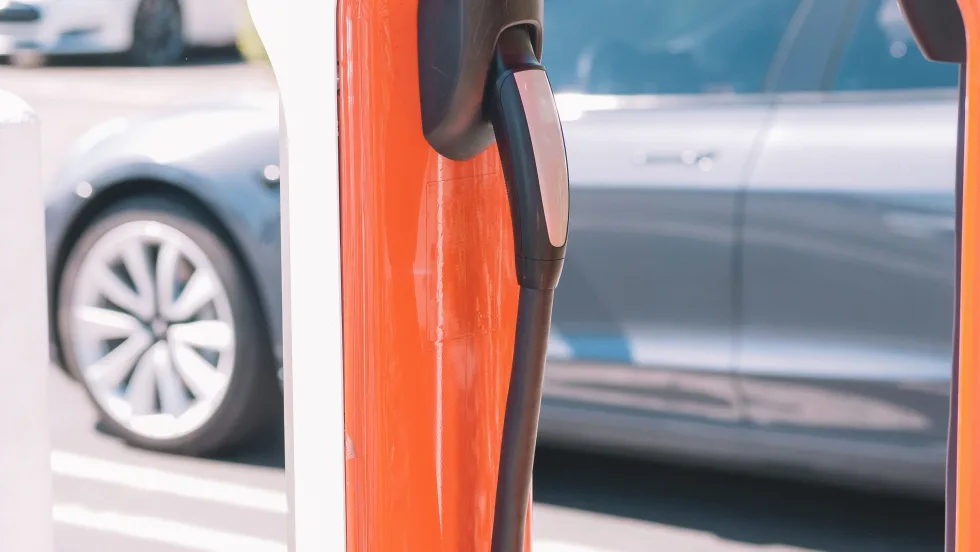
Charger Network Growth Slows
Despite a projected increase in public EV chargers in 2026, charging infrastructure remains a top concern for consumers as the gap between the most and least EV-friendly places remains substantial.
Read More →
Lenders, Consumers Take on More Auto Loan Risk
September records loosened credit access the most in over a decade as buyers took advantage of the conditions to afford trading, though loan applications fell.
Read More →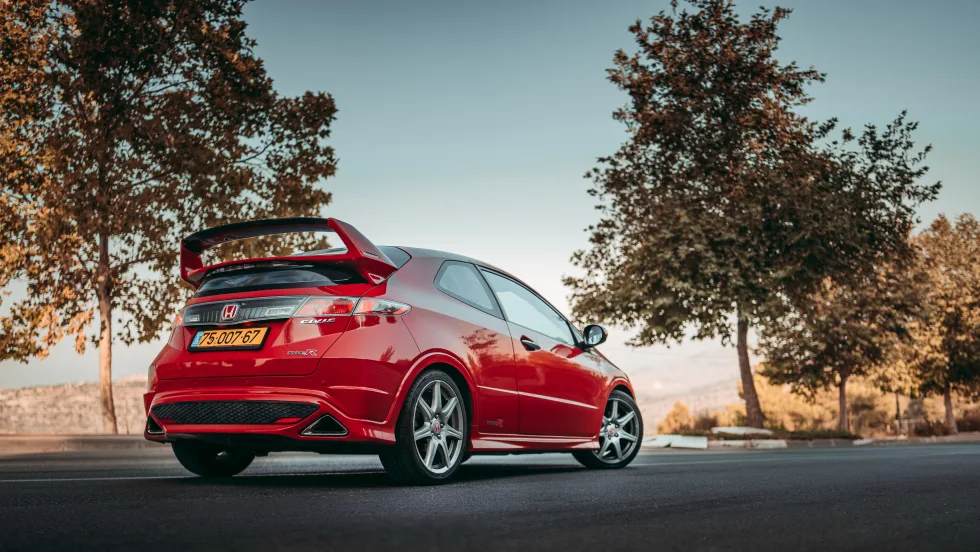
Next-Gen Hybrids in Sight
Dealerships can expect to see revamped hybrids from Honda next year as the company rolls out a new system and model lineup.
Read More →
Gem State Stores Change Hands
A larger auto group founded in the industry’s early years sold two franchises to a neighbor group that's on a growth spurt.
Read More →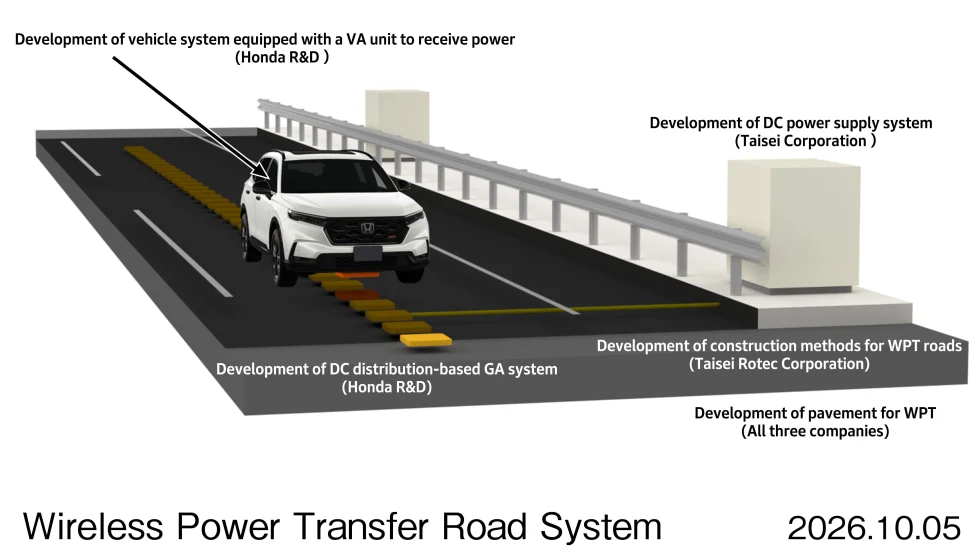
Charging In Motion
Honda has been researching wireless in-motion charging for electric vehicles since 2025, and new technology developments have put it a step closer to a final product.
Read More →
Twin Cities Stores Sell
Minnesota-based Walser Automotive Group made what it called the most significant acquisition in its history with a three-rooftop deal in Minneapolis.
Read More →
U.S. Auto Sales Still Below Prepandemic Levels
Mobility Global industry observers don’t expect the market to return to the higher volumes that became routine before Covid but to stay well below its potential.
Read More →
The Powertrain Shift
Electric-vehicle owners are backpedaling, according to new data, with product availability driving many to shift back to gas-powered engines.
Read More →
Achromatic Autos
The shades that dominate the U.S. car market don’t call attention to themselves, though grayscale may have plateaued after a 30-year upswing, research shows.
Read More →
Used-Vehicle Affordability Worsens
Listing prices in August defied seasonal trends, rising above $27,000 for the second time this year.
Read More →