Group Acts to Block Right-to-Repair Law
Alliance for Automotive Innovation files court document to prevent enforcement of Massachusetts right-to-repair law.

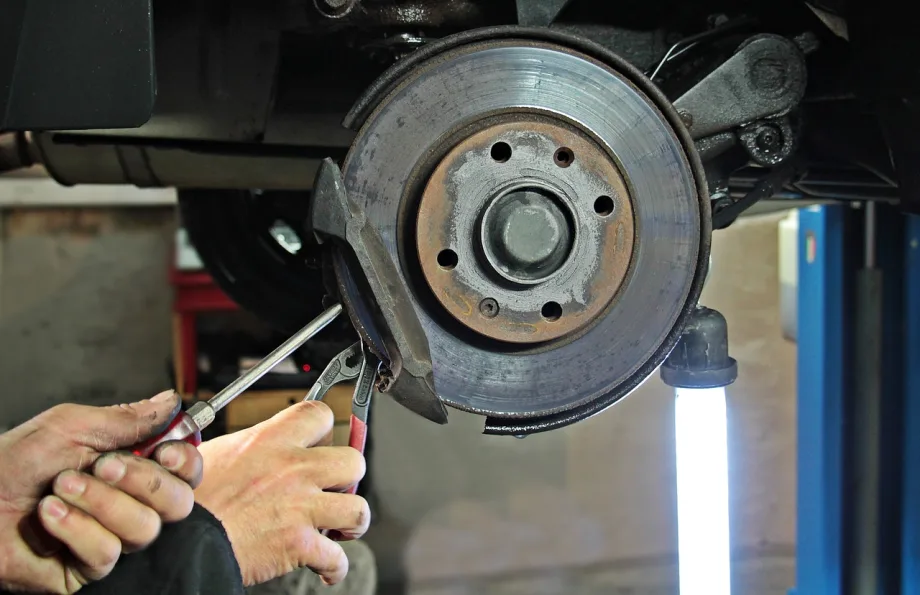
The Alliance argues enforcing the law on June 1 would cause "irreparable harm" to automakers.
Pixabay
The Alliance for Automotive Innovation has taken legal action to prevent enforcement of Massachusetts' revised right-to-repair law, according to a court document filed last week.
The move comes after state Attorney General Andrea Campbell said in a March filing that her office would start enforcing the law as of June 1, citing it as being "in the public interest."
In its filing, the alliance argues that enforcing the law on June 1 would cause "irreparable harm" to its members. Compliance with the law, the group claims, could cause automakers to compromise "essential cybersecurity protections" in their vehicles.
The alliance further says that attempts to circumvent compliance, such as disabling telematics systems or withdrawing from the Massachusetts market, would harm consumers and automakers and damage brand reputations.
A hearing on the alliance's request for a temporary restraining order was scheduled for Tuesday.
The alliance lawsuit seeks to block the revised right-to-repair law approved by voters. The group contends that the amended law conflicts with federal regulations, poses cybersecurity and vehicle-safety risks, and imposes an impractical compliance timeline.
Former Attorney General Maura Healey, who currently serves as Massachusetts governor, previously announced her office would not enforce the revised law until the federal court ruled on claims made by automakers challenging the legislation. But U.S. District Judge Douglas Woodlock has repeatedly delayed a ruling for over two years.
The measure, which the lawsuit refers to as the "data access law,” mandates that automakers with sales operations in Massachusetts equip vehicles utilizing telematics systems with a standardized, open-access data platform, starting with the 2022 model year. The platform would provide vehicle owners and independent repair shops with real-time information from telematics systems, including crash notifications, remote diagnostics and navigation.
A similar ballot initiative, supported by automotive after-market companies, is currently under way in Maine. The Alliance for Automotive Innovation has been advocating for an alternative ballot measure that would codify provisions outlined in the 2014 national memorandum of understanding between automakers and the independent repair industry.
As the enforcement date for Massachusetts' updated right-to-repair law approaches, the legal battle intensifies, with the Alliance for Automotive Innovation seeking to delay implementation and raise concerns over cybersecurity and compliance challenges.
Originally posted on Auto Dealer Today
More Compliance

California’s New Enforcement Playbook for VSC Providers
Recent state insurance department regulator actions signal that it’s expanding regulatory risk for the VSC industry, whose players should prepare themselves for compliance.
Read More →
What to Expect in 2026 - New Rules and Regulations on the Horizon
In Trump’s first year, just 60,917 pages were printed in the Federal Register, the official journal of the federal government, down 42%.
Read More →

Fines of the Times
Civil penalties for noncompliance with federal auto retail and finance rules and regulations can add up quickly. Use this checklist to cover your bases.
Read More →
Cyber Threats Continue Apace
Hackers, seeing auto retail vulnerabilities in 2024 CDK incident, are taking advantage, data show.
Read More →
Your Synthetic ID Theft Policy
Frankenstein’s monster is coming for your dealership. Use this guide to recognize synthetic ID thieves and maintain Red Flags Rule compliance.
Read More →
The Regulatory Empire Is Striking Back
President Trump - entropist and corporate disruptor in consumer law
Read More →
How to Clear a Red Flag
Refine and enforce your dealership’s FTC-mandated ID theft-prevention program to ensure no transaction goes awry.
Read More →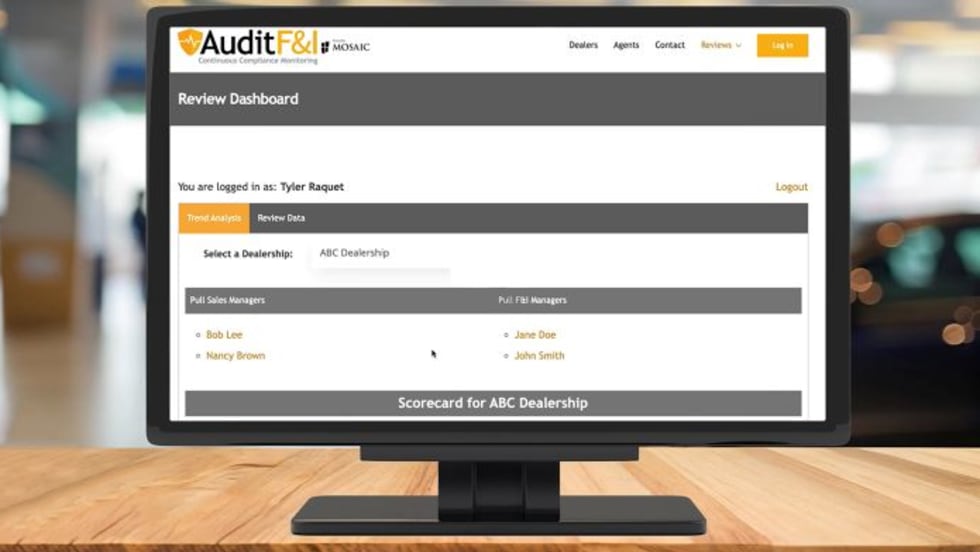
Mosaic Adds Continuous Monitoring With AuditF&I
New AuditF&I platform is designed to give dealerships a smarter way to stay compliant.
Read More →