


High Vehicle Prices Expected to Hold Their Grip on Auto Industry
Consumers seeking lower prices on dealership lots must wait until 2023, reported auto-industry leaders at the New York International Auto Show.

Quoteinspector.com
Consumers seeking lower prices on dealership lots must wait until 2023, reported auto-industry leaders at the New York International Auto Show.
They say inventory constraints will continue to affect new and used car inventories throughout 2022, in turn driving prices up.
Car prices remain higher than normal, albeit lower than record levels. But depleted car lots, strong consumer demand and lower factory output will keep prices higher than normal.
Even if the computer-chip shortage and other supply-chain problems correct themselves, the backlog of consumer demand will keep car inventories near historic lows, analysts predict.
“It could take years” before dealership stocks recover, said Steve Center, operations chief for Kia’s U.S. business. “You won’t see incentives, because we’re still going to be selling everything we can make.”
Soaring car prices point to broader inflationary pressure on U.S. consumers. In March, U.S. inflation surged to a four-decade high of 8.5%, driven by higher energy and food costs, supply constraints and strong consumer demand, according to the U.S. Labor Department.
But after reaching record highs, vehicle prices are starting to level off. In March, the average transaction price declined slightly for the third straight month, to about $43,700, according to J.D. Power. Even so, this figure is 26% higher than before the pandemic. The average transaction price hit $34,600 at the end of 2019, the research firm reports.
Used-vehicle prices also remain at near record highs. But vehicle leases have become less attractive as car companies pull back promotional terms.
For now, auto executives and dealers report new-vehicle demand remains strong, despite rising interest rates and higher gasoline prices. So many people seek new cars that auto companies expect buyers for every vehicle they can produce throughout 2022, auto executives and dealers said.
Dealers now sell vehicles into the pipeline with buyers ordering vehicles and waiting weeks or months for delivery. Meanwhile, consumers snatch up cars that arrive without a buyer as salespeople keep lists of vehicle shoppers, according to dealers.
Dealer markups or charges beyond the manufacturer’s suggested retail price will continue in 2022, they say.
Car shoppers with vehicles to trade in benefit from record-high used-car valuations. In the first quarter, buyers got an average of $9,300 for their trade-ins, 81% more than the average from a year earlier, according to J.D. Power.
The average dealership profit on a new car, including financing and insurance products related to the sale, averaged $5,000 in the first quarter, more than double 2021 levels, according to J.D. Power.
“It’s a tough time to buy a car,” said Toyota Motor Corp.’s North America sales chief, Bob Carter. “But it’s a great time to be in the car business.”
Originally posted on Auto Dealer Today
More Industry
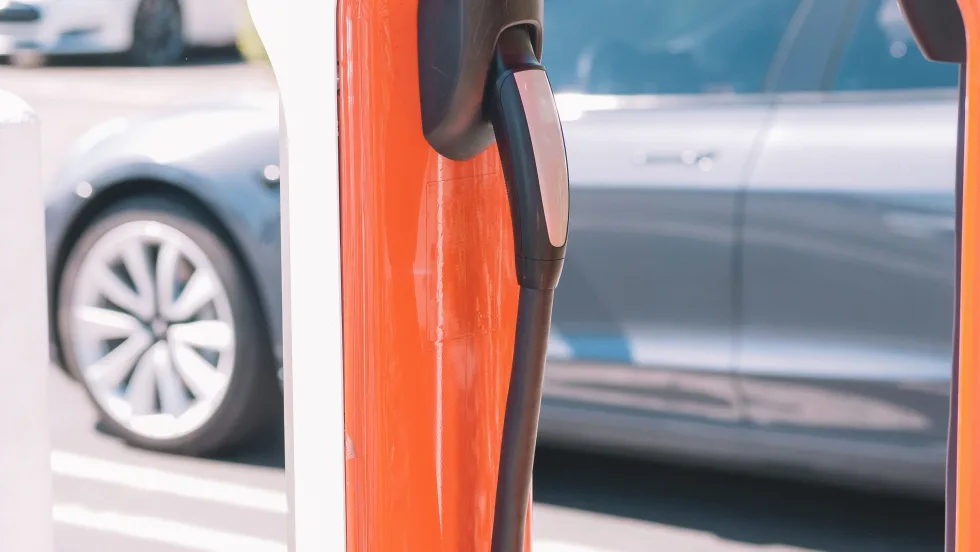
Charger Network Growth Slows
Despite a projected increase in public EV chargers in 2026, charging infrastructure remains a top concern for consumers as the gap between the most and least EV-friendly places remains substantial.
Read More →
Lenders, Consumers Take on More Auto Loan Risk
September records loosened credit access the most in over a decade as buyers took advantage of the conditions to afford trading, though loan applications fell.
Read More →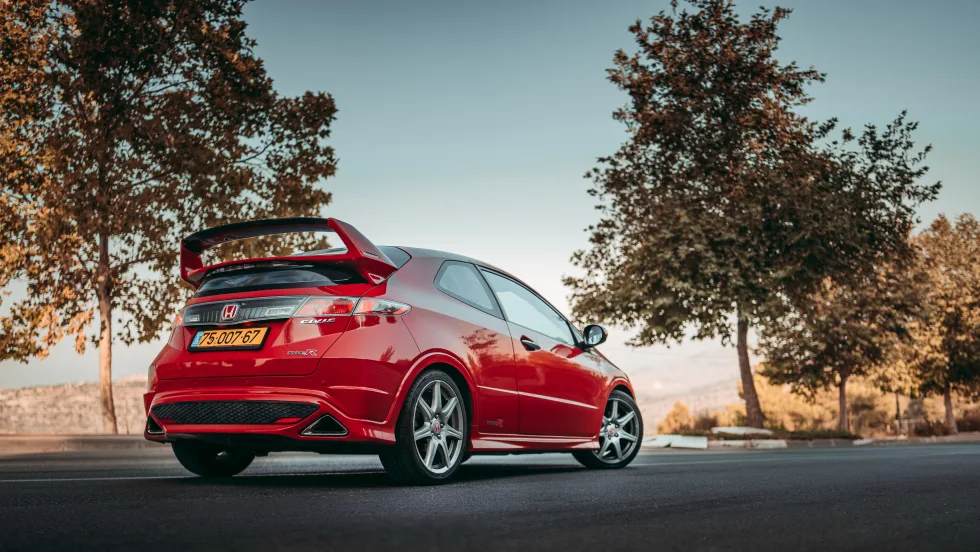
Next-Gen Hybrids in Sight
Dealerships can expect to see revamped hybrids from Honda next year as the company rolls out a new system and model lineup.
Read More →
Gem State Stores Change Hands
A larger auto group founded in the industry’s early years sold two franchises to a neighbor group that's on a growth spurt.
Read More →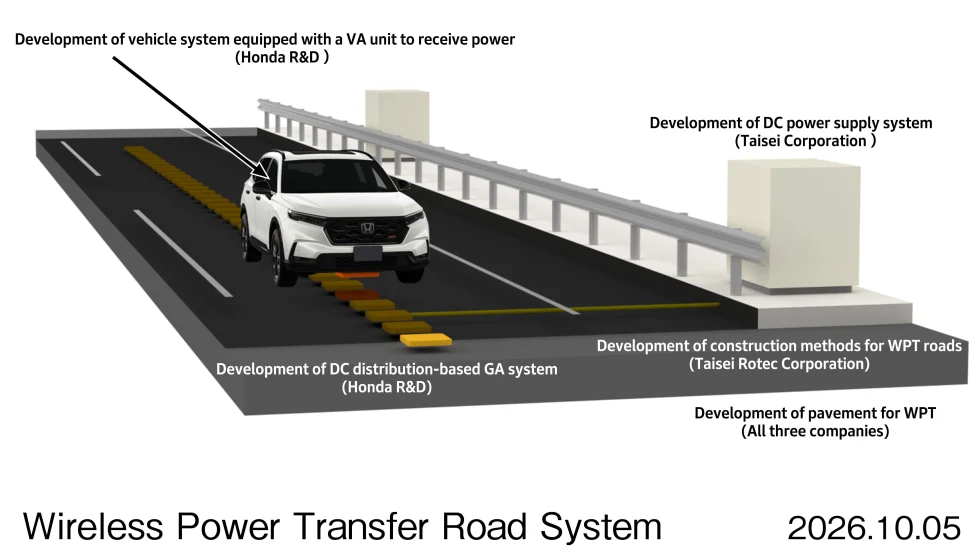
Charging In Motion
Honda has been researching wireless in-motion charging for electric vehicles since 2025, and new technology developments have put it a step closer to a final product.
Read More →
Twin Cities Stores Sell
Minnesota-based Walser Automotive Group made what it called the most significant acquisition in its history with a three-rooftop deal in Minneapolis.
Read More →
U.S. Auto Sales Still Below Prepandemic Levels
Mobility Global industry observers don’t expect the market to return to the higher volumes that became routine before Covid but to stay well below its potential.
Read More →
The Powertrain Shift
Electric-vehicle owners are backpedaling, according to new data, with product availability driving many to shift back to gas-powered engines.
Read More →
Achromatic Autos
The shades that dominate the U.S. car market don’t call attention to themselves, though grayscale may have plateaued after a 30-year upswing, research shows.
Read More →
Used-Vehicle Affordability Worsens
Listing prices in August defied seasonal trends, rising above $27,000 for the second time this year.
Read More →