


House Action on Disparate Impact Not Affecting CFPB; Remains Dealer Concern

CRYSTAL LAKE, Ill. – Contrary to news reports, the U.S. House of Representatives’ vote to eliminate the Department of Justice’s use of disparate impact does not negate the Consumer Financial Protection Bureau’s (CFPB) use of the legal theory in auto finance cases even if the bill passes the Senate and is not vetoed by the President, said Automotive Compliance Consultants.
Unfortunately, an article appearing June 4 stated the House of Representatives passed an amendment to H.R. 2578, the Fiscal Year 2016 Commerce, Justice, and Science Appropriations Act, that would bar the Department of Justice from using funds for litigation in which the regulator seeks to apply the disparate impact theory.
The article went on to discuss the significance of the amendment to the use of disparate impact by the Consumer Financial Protection Bureau to support actions in automobile finance.
“The amendment to H.R. 2578 will have no effect on the CFPB’s use of the legal theory in auto finance,” said David R. Missimer, general counsel for Automotive Compliance Consultants. “The reason for this is the amendment is limited, and only bars the use of appropriated funds by the Department of Justice to bring Fair Housing Act enforcement actions that rely on an allegation of liability under the HUD Disparate Impact Rule.”
The amendment voted on states: None of the funds made available in this Act may be used by the Department of Justice to enforce the Fair Housing Act in a manner that relies upon an allegation of liability under section 100.500 of title 24, Code of Federal Regulations (Rule prohibiting discriminatory effect).
“The Act if passed will not preclude the Department of Justice from continuing to use disparate impact in Equal Credit Opportunity Act cases,” Missimer noted. “Thus, disparate impact very much remains an issue for dealers and finance companies.”
More Industry
Charger Network Growth Slows
Despite a projected increase in public EV chargers in 2026, charging infrastructure remains a top concern for consumers as the gap between the most and least EV-friendly places remains substantial.
Read More →
Lenders, Consumers Take on More Auto Loan Risk
September records loosened credit access the most in over a decade as buyers took advantage of the conditions to afford trading, though loan applications fell.
Read More →
Next-Gen Hybrids in Sight
Dealerships can expect to see revamped hybrids from Honda next year as the company rolls out a new system and model lineup.
Read More →
Gem State Stores Change Hands
A larger auto group founded in the industry’s early years sold two franchises to a neighbor group that's on a growth spurt.
Read More →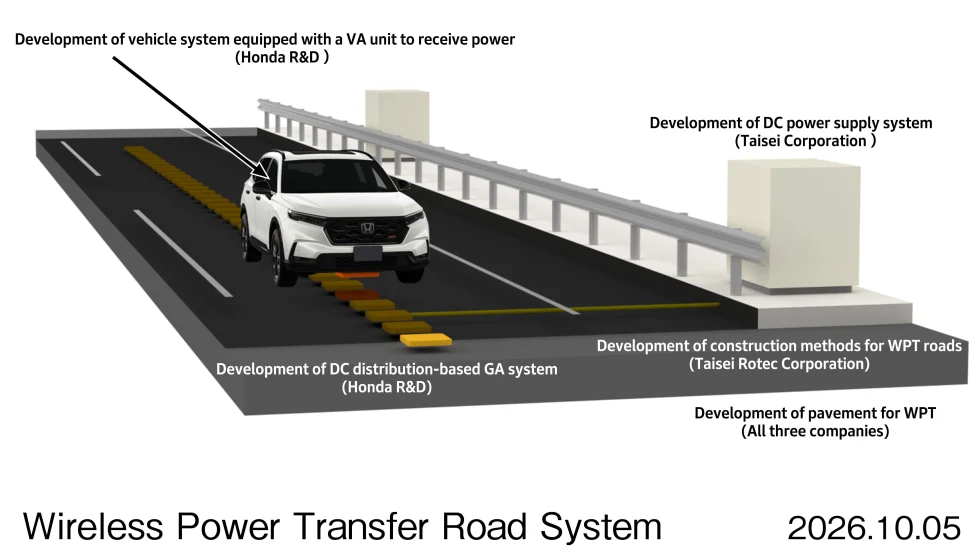
Charging In Motion
Honda has been researching wireless in-motion charging for electric vehicles since 2025, and new technology developments have put it a step closer to a final product.
Read More →
Twin Cities Stores Sell
Minnesota-based Walser Automotive Group made what it called the most significant acquisition in its history with a three-rooftop deal in Minneapolis.
Read More →
U.S. Auto Sales Still Below Prepandemic Levels
Mobility Global industry observers don’t expect the market to return to the higher volumes that became routine before Covid but to stay well below its potential.
Read More →
The Powertrain Shift
Electric-vehicle owners are backpedaling, according to new data, with product availability driving many to shift back to gas-powered engines.
Read More →
Achromatic Autos
The shades that dominate the U.S. car market don’t call attention to themselves, though grayscale may have plateaued after a 30-year upswing, research shows.
Read More →
Used-Vehicle Affordability Worsens
Listing prices in August defied seasonal trends, rising above $27,000 for the second time this year.
Read More →