


Industry Reacts to S&P Downgrade

Chris Stinebert, president and CEO of the American Financial Services Association (AFSA), said it’s too early to know the full impact of the S&P’s downgrade of U.S. debt, especially with the Dow Jones Industrial Average switching between big gains and losses each day this week. His concern is what the actions taken by Standard and Poor’s last week, coupled with turmoil on Wall Street and in Washington, D.C., will do to the still-jittery consumer psyche, according to F&I and Showroom magazine.
“We don’t expect the downgrade to have a major impact on the auto finance industry,” said Stinebert, who noted mortgage rates dropped even during Monday’s turmoil on Wall Street. “Our biggest concern is the downgrade’s impact on consumer confidence, which could cause consumers to delay buying vehicles. It’s a little early to tell the full impact, especially since the markets bounced back on Tuesday.”
The markets, however, whipped back the other way on Wednesday, with the Dow dropping 519 points after jumping 429 points on Tuesday. That was after the Dow dropped 634.76 points on Monday, the worst point decline in more than 100 years.
As of early morning Thursday, the Dow had increased more than 200 points following a positive report from the U.S. Department of Labor. It showed the number of claims for unemployment benefits fell by 7,000 from July to a four-month low.
Stinebert said the association wasn’t surprised by the S&P’s actions. The 105-year-old ratings agency had been warning about its potential downgrade. What’s encouraging, he added, is that Moody’s and Fitch Ratings maintained their AAA rating of U.S. debt, and U.S. Treasuries remain strong. “The quality of auto finance has been strong and the underlying assets are well understood. Over time, rates will go up, but only as the economy improves.”
That was the message the Federal Reserve sent on Tuesday when it said it would hold short-term interest rates near zero through mid-2013 to prop up the credit markets. Whether that will help boost consumer confidence remains to be seen, especially since the Fed did not announce any new measures to stimulate growth.
On Monday, Bandon, Ore.-based CNW Research reported that its Jitters Index experienced the largest month-over-month increase since the firm introduced the metric in 1996. It jumped 6.9 percent in the first seven days of this month vs. July and 5.5 percent vs. August 2010.
Research firm Consumer Edge Research reported on Wednesday that its Interim Consumer Economic Index dropped 8.5 points from July’s full-month reading of 55.4. One analyst for the Stamford, Conn.-based firm said the steepness of the drop could mean that confidence among high-end consumers is weakening.
Edmunds.com, however, said on Wednesday that the stock market turmoil and decreased consumer confidence had yet to impact car sales. It reported that new-car sales in August were tracking at a 12.1 million-unit year. That projection, however, includes fleet sales, which are typically strong in August.
“The downgrade of U.S. debt has not negatively affected car-buying conditions,” said Lacey Plache, Edmunds.com’s chief analyst. “While the risk to new-vehicle sales from falling consumer confidence is undoubtedly higher as a result of the downgrade, favorable buying conditions — increased vehicle availability, increased incentives and continued low interest rates — should offset much of the debt downgrade’s effect on consumer confidence.”
The AFSA’s Stinebert added that he doesn’t expect the downgrade to impact the ability of finance sources to access the asset-backed securities (ABS) market for funding, which has been key to the recovery of the auto finance industry.
“The performance of auto ABS has been very good; the collateral and returns for investors have been good,” he said. “Investors are searching for yield and auto ABS has been fertile.
“We’ll keep close watch on showroom traffic,” he added. “This time of year is typically busier with the introduction of new models.”
More Industry
Charger Network Growth Slows
Despite a projected increase in public EV chargers in 2026, charging infrastructure remains a top concern for consumers as the gap between the most and least EV-friendly places remains substantial.
Read More →
Lenders, Consumers Take on More Auto Loan Risk
September records loosened credit access the most in over a decade as buyers took advantage of the conditions to afford trading, though loan applications fell.
Read More →
Next-Gen Hybrids in Sight
Dealerships can expect to see revamped hybrids from Honda next year as the company rolls out a new system and model lineup.
Read More →
Gem State Stores Change Hands
A larger auto group founded in the industry’s early years sold two franchises to a neighbor group that's on a growth spurt.
Read More →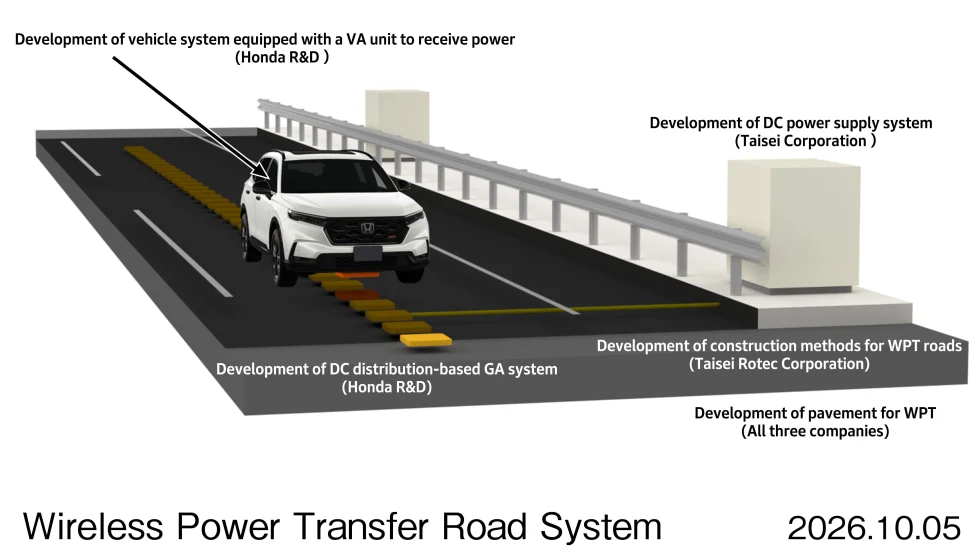
Charging In Motion
Honda has been researching wireless in-motion charging for electric vehicles since 2025, and new technology developments have put it a step closer to a final product.
Read More →
Twin Cities Stores Sell
Minnesota-based Walser Automotive Group made what it called the most significant acquisition in its history with a three-rooftop deal in Minneapolis.
Read More →
U.S. Auto Sales Still Below Prepandemic Levels
Mobility Global industry observers don’t expect the market to return to the higher volumes that became routine before Covid but to stay well below its potential.
Read More →
The Powertrain Shift
Electric-vehicle owners are backpedaling, according to new data, with product availability driving many to shift back to gas-powered engines.
Read More →
Achromatic Autos
The shades that dominate the U.S. car market don’t call attention to themselves, though grayscale may have plateaued after a 30-year upswing, research shows.
Read More →
Used-Vehicle Affordability Worsens
Listing prices in August defied seasonal trends, rising above $27,000 for the second time this year.
Read More →