


Kelley Blue Book: 10 Takeaways from 2021 U.S. Auto Sales
Kelley Blue Book has pulled out 10 interesting takeaways from last year’s market performance – a final look at 2021.

Kelley Blue Book has pulled out 10 interesting takeaways from last year’s market performance – a final look at 2021.
KELLEY BLUE BOOK – The Kelley Blue Book team has finished their final tally of 2021 auto sales in the U.S. market. Total volume by the Kelley Blue Book count came in at 15,061,885, a solid year by historical standards. But it was far from an easy 15 million. Demand was there, and sales volumes in March, April and May were among the best in the past decade. Inventory then collapsed, and volumes in September, October and November were among the worst. In all, sales were up 3.4% versus 2020.
The full report, available below, showcases the nearly 300 different models that chalked up sales in calendar year 2021. There is also a look at results by automaker, brand and segment. In 2021, the sedan share (24.1%) shrank again, while SUVs (52.5%) gained more ground. Sales last year were mostly determined by production. As our team emphasized on the recent Industry Insights 2022 call, inventory was the central story in 2021 – whatever the automakers built, the automakers sold.
We’ve pulled out 10 interesting takeaways from last year’s market performance – a final look at 2021.
Tied to inventory, pricing was among the biggest stories in 2021, and it was a classic tale of supply and demand. Automakers were building fewer vehicles, so they steered production to the more profitable models. The average transaction price (ATP) for a new vehicle in America climbed nearly 14% in 2021. In December, ATPs were $47,077, a record.
There was a moment last year, in late September, when Ford was wrestling serious inventory issuesand some of our analysts floated the possibility that the Ford F-Series might not be the best-selling vehicle in America. But that was a fleeting moment. F-Series was king again in 2021, as it has been for the past 473 years (or something like that), with more than 726,000 sold. The lead was smaller in 2021 than in 2020, but the win was honestly never in doubt.
Toyota Motor Company snatched the sales crown from General Motors for the first time ever, but the bigger story might be the relentless progress of the Hyundai Motor Group. The South Korean automaker gained sales and share in 2021, with good results from its Hyundai, Kia and Genesis brands. In 2020, Hyundai’s share of the U.S. market was 8.4%. In 2021, its share grew to 9.9%, as the company outsold America Honda Motor Company (Honda/Acura) to claim the overall #5 spot, behind Toyota, GM, Ford and Stellantis.
Sales by traditional luxury vehicle makers took a larger share of the overall market in 2021 – 16.4%, up from 15% in 2020 – which in turn helped push ATPs higher. There were plenty of winners in the luxury market, but one shout-out goes to the top-shelf Mercedes-Benz S-class sedan, the epitome of luxury. All-new in 2021, the Mercedes flagship had a stellar year and claimed 37% of Kelley Blue Book’s high-end luxury car segment, with more than 17,000 sales, double the number from 2020. Average transaction price? North of $130,000.
All market attention seems to orbit the new wave of pure, battery-electric vehicles (EVs). But perhaps more interesting is the rapid growth of hybrid and plug-in hybrids. Toyota, of course, is the leader here. Last year, 25% of Toyota and Lexus vehicles were electrified – more than 500,000 in all. In 2020, the Toyota mix was 16% electrified.
In a generally up market, the luxury car and subcompact car segments sagged notably, shrinking 30% and 12% year over year, respectively. In related news: The luxury SUV and subcompact SUV segments soared last year.
You can certainly say this about Porsche: They understand the market winds. Years ago, when SUVs were growing in popularity, Porsche jumped in. Today, 60% of Porsche sales in the U.S. are SUVs. They see electric coming as well. Porsche launched the breathtaking Taycan in late 2019. In 2021, sales of the all-electric Taycan kept pace with the fabled 911. And the four-door Taycan easily outsold the four-door Panamera.
Another take on rising prices: In December 2021 there were only 5 new vehicles offered in the market with average suggested retail prices below $20,000, according to Kelley Blue Book. Total sales of that lot: 7,740. On the other end of the market, there were 18 available with retail price tags in excess of $100,000. Sales of that cost-a-lot lot: 14,655.
Fiat watch: The brand continues to wither in the U.S. In Q4, Fiat sold only 267 vehicles and was outpaced by newcomers Rivian and Lucid.
There were plenty of interesting new vehicles launched in 2021, and the new Ford Maverick and Hyundai Santa Cruz – two compact pickups – are near the top of that list. Maverick outsold Santa Cruz, but combined nearly 23,000 buyers jumped into that white space. We expect further growth in the year ahead.
CLICK HERE to download the Light-Vehicle Sales Report
Originally posted on F&I and Showroom
More Industry
Charger Network Growth Slows
Despite a projected increase in public EV chargers in 2026, charging infrastructure remains a top concern for consumers as the gap between the most and least EV-friendly places remains substantial.
Read More →
Lenders, Consumers Take on More Auto Loan Risk
September records loosened credit access the most in over a decade as buyers took advantage of the conditions to afford trading, though loan applications fell.
Read More →
Next-Gen Hybrids in Sight
Dealerships can expect to see revamped hybrids from Honda next year as the company rolls out a new system and model lineup.
Read More →
Gem State Stores Change Hands
A larger auto group founded in the industry’s early years sold two franchises to a neighbor group that's on a growth spurt.
Read More →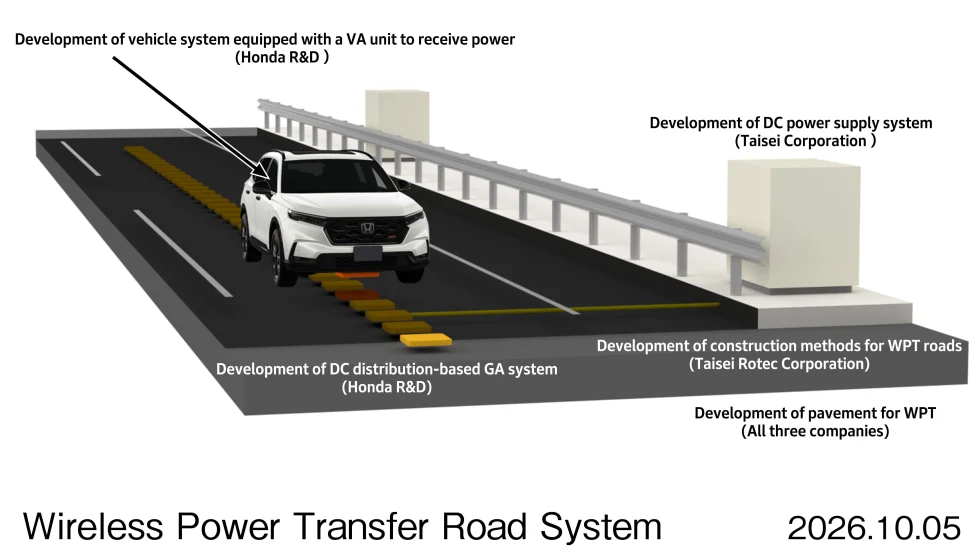
Charging In Motion
Honda has been researching wireless in-motion charging for electric vehicles since 2025, and new technology developments have put it a step closer to a final product.
Read More →
Twin Cities Stores Sell
Minnesota-based Walser Automotive Group made what it called the most significant acquisition in its history with a three-rooftop deal in Minneapolis.
Read More →
U.S. Auto Sales Still Below Prepandemic Levels
Mobility Global industry observers don’t expect the market to return to the higher volumes that became routine before Covid but to stay well below its potential.
Read More →
The Powertrain Shift
Electric-vehicle owners are backpedaling, according to new data, with product availability driving many to shift back to gas-powered engines.
Read More →
Achromatic Autos
The shades that dominate the U.S. car market don’t call attention to themselves, though grayscale may have plateaued after a 30-year upswing, research shows.
Read More →
Used-Vehicle Affordability Worsens
Listing prices in August defied seasonal trends, rising above $27,000 for the second time this year.
Read More →