


Long UAW Strike Would Have Broad Impact
Cox says the union action against the Detroit 3 could result in a partial reversal of this year’s post-pandemic market rebalancing.

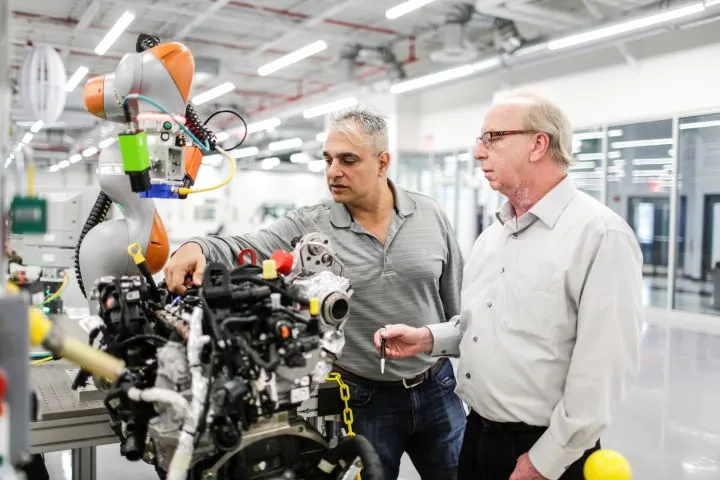
The Detroit automakers targeted by the strike represent 64% of U.S. vehicle franchises, so if the event extends beyond a few weeks, it would have an impact across the country, Cox says.
IMAGE: Ford
The United Auto Workers union strike in Detroit, if protracted, would affect supply and prices, but the repercussions would be gradual and across just part of the industry, unlike during the pandemic, Cox Automotive predicts.
Thousands of union members went on strike after negotiations failed Thursday between the UAW and Ford, General Motors and Stellantis. They’re targeting select plants of each brand.
The big three automakers represent 64% of U.S. vehicle franchises, so if the event extends beyond a few weeks, it would have an impact across the country, Cox Chief Economist Jonathan Smoke said in his analysis.
The trio of brands have done more discounting this year as supply and demand have been more balanced, but their prices are also higher than industrywide because of their outsize big-truck lines, said Smoke, who predicts that an extended strike would result in reduced discounting and incentives.
The Detroit automakers also do more fleet sales, which could also be negatively impacted by a long strike, Smoke said, affecting year-end deliveries and forcing rental-car companies to seek more used models as they did during the pandemic, thereby pushing up those prices anew.
Of the three, General Motors is probably the most vulnerable, he said, as its sales have been higher and its supply therefore tighter.
DIG DEEPER: Hyundai, Union Have Potential Deal
Originally posted on Auto Dealer Today
More Industry
Badger State Dealership Gets New Owner
The longtime southern Wisconsin store moved from one area auto group to another, keeping the business in Dairyland.
Read More →
The Cycle of Negative Equity
Third-quarter data shows consumers still rolling over debt and stretching loan terms, raising their risk of remaining underwater.
Read More →
Charger Network Growth Slows
Despite a projected increase in public EV chargers in 2026, charging infrastructure remains a top concern for consumers as the gap between the most and least EV-friendly places remains substantial.
Read More →
Lenders, Consumers Take on More Auto Loan Risk
September records loosened credit access the most in over a decade as buyers took advantage of the conditions to afford trading, though loan applications fell.
Read More →
Next-Gen Hybrids in Sight
Dealerships can expect to see revamped hybrids from Honda next year as the company rolls out a new system and model lineup.
Read More →
Gem State Stores Change Hands
A larger auto group founded in the industry’s early years sold two franchises to a neighbor group that's on a growth spurt.
Read More →
Charging In Motion
Honda has been researching wireless in-motion charging for electric vehicles since 2025, and new technology developments have put it a step closer to a final product.
Read More →
Twin Cities Stores Sell
Minnesota-based Walser Automotive Group made what it called the most significant acquisition in its history with a three-rooftop deal in Minneapolis.
Read More →
U.S. Auto Sales Still Below Prepandemic Levels
Mobility Global industry observers don’t expect the market to return to the higher volumes that became routine before Covid but to stay well below its potential.
Read More →
The Powertrain Shift
Electric-vehicle owners are backpedaling, according to new data, with product availability driving many to shift back to gas-powered engines.
Read More →