


Market Not Ready for EVs
Reaching the Biden Administration’s goal of 50% of U.S. new vehicle sales being BEVs by 2030 is unlikely, says Jack Hollis of Toyota in a webinar.


Jack Hollis, Toyota
Toyota Motor North America
Soft consumer demand is likely to hinder mass adoption of battery electric vehicles. Consumer demand just isn’t there yet, says Jack Hollis, executive vice president of sales at Toyota North America.
BEVs cost too much, and the infrastructure isn’t sufficient to charge vehicles away from home, Hollis reported in a recent Automotive Press Association webinar.
“I don’t think the market is ready. I don’t think the infrastructure is ready. And even if you were ready to purchase one, and if you could afford it … they’re still too high,” Hollis told listeners.
Kelley Blue Book data shows that BEV sales in the first half of 2022 were up 75.7% over a year ago for some brands. In total, BEV sales hit 370,726 in the first half of 2022, representing a market share of 5.2% of new vehicle sales versus 2.5% a year ago.
Teslas represented about two-thirds of the new BEV sales in the first half of 2022.
Mass market brands, such as Ford and Chevrolet, will roll out new BEVs in the next few years. But to date, most new BEVs are either luxury cars or big pickups and SUVS, priced in the luxury-vehicle range, Hollis said.
The luxury vehicles come with stiff price tags. For instance, the 2022 Ford F-150 Lightning starts at $39,947, with adding in options or destination charges, and before the $7,500 tax credit. Limited availability also plagues these vehicles. Ford noted that due to high demand consumers can no longer order these vehicles.
Hollis noted that reaching the Biden Administration’s goal of 50% of U.S. new vehicle sales being BEVs by 2030 is unlikely. He pointed to hybrid vehicles, which have both a gasoline engine and an electric motor, to explain why.
Hollis noted Toyota and other automakers have offered hybrid vehicles for nearly 25 years, but U.S. market share remains less 10%.
“It took 25 years to get to less than 10% (market share) for hybrid — which is affordable, which is done with resources that are available,” he said. The “rhetoric” around electric vehicles is way out ahead of consumer demand, Hollis said.
“The consumer isn’t demanding it at that level. The consumer is not screaming, ‘30% or 40% by tomorrow,’ ” Hollis added. “When you start pushing consumers into things, they’re not ready for, some other consequence will occur.”
Originally posted on Auto Dealer Today
More Industry

Achromatic Autos
The shades that dominate the U.S. car market don’t call attention to themselves, though grayscale may have plateaued after a 30-year upswing, research shows.
Read More →
Used-Vehicle Affordability Worsens
Listing prices in August defied seasonal trends, rising above $27,000 for the second time this year.
Read More →
First-Half Dealership Deals Up
Buy-sell activity shows that acquirers are looking for value and scale as many retailers seek to leave an increasingly competitive and complex market, Kerrigan Advisors reports.
Read More →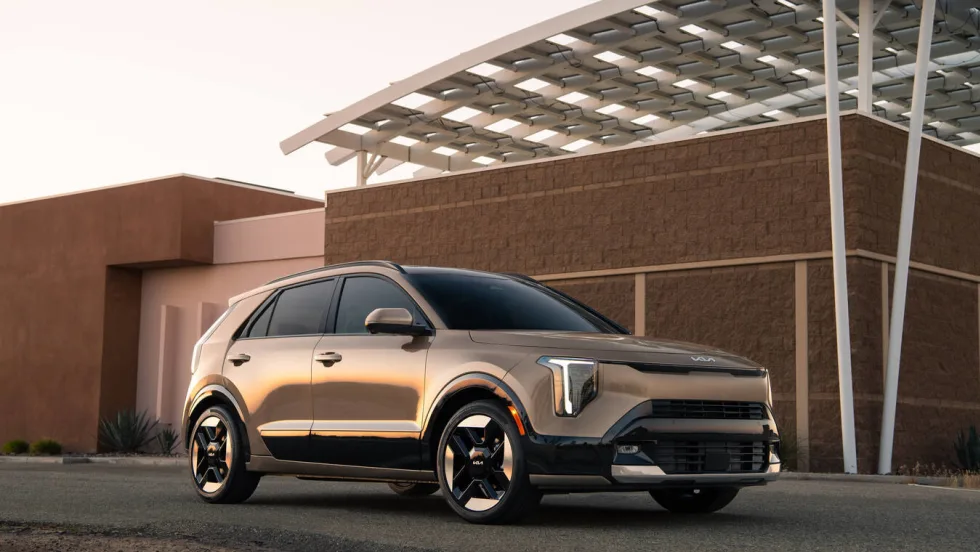
Kia Closes Out Summer With a Bang
Its U.S. subsidiary broke multiple records in August, in part due to a surge of demand for hybrids models.
Read More →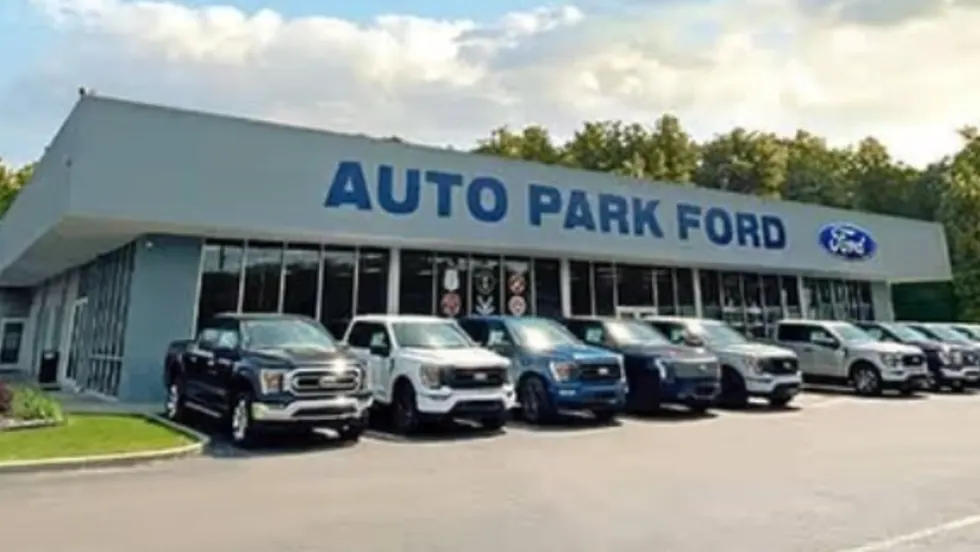
Indiana Dealership Changes Hands
A 30-year-old Ford dealership in Indiana has a new owner and will soon be undergoing renovations to meet manufacturer requirements.
Read More →
Texas Dealership No Longer in the Family
The Ford store, a longtime cornerstone of the Houston market, is now part of one of the fastest-growing U.S. auto groups.
Read More →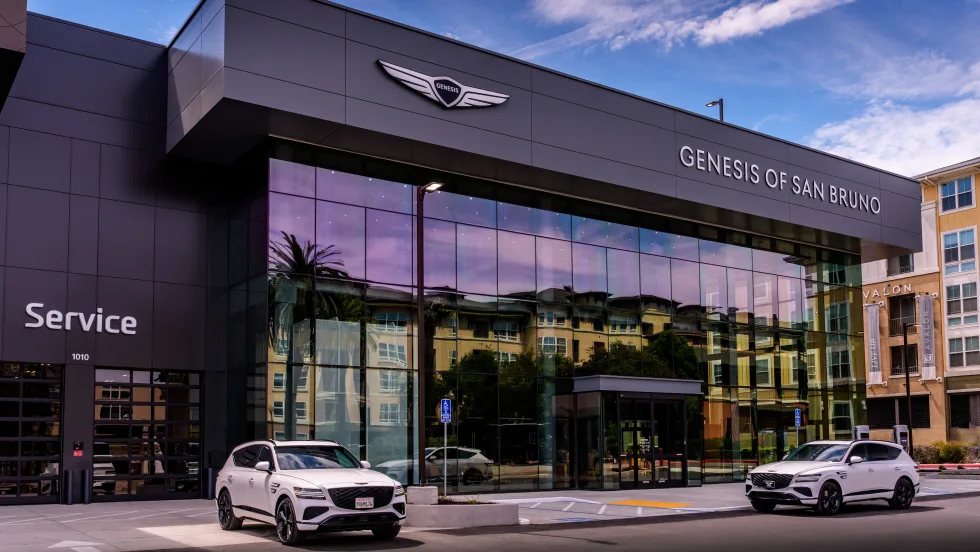
Genesis Grows California Presence
The Cardinale Automotive Group opened its third Genesis rooftop in the Golden State, Genesis of San Bruno, a stand-alone dealership serving the San Francisco Bay Area.
Read More →
August Auto Sales a Mixed Bag
An early forecast shows strong business despite consumer hurdles, and hybrids are a big piece of their affordability coping strategy.
Read More →
EV Market Humming Along
July sales show steady growth as the segment stabilizes from last year’s artificial surge following pullback of federal support.
Read More →
Auto Loan Delinquency Rates Stabilize
Auto loans are a main driver of nonmortgage consumer debt, but delinquency rates stabilized in the second quarter across all credit risk tiers.
Read More →