


Number of EVs to Double by 2021
The number of electric vehicles on U.S. roads will double in the next three years, according to a new report from the Edison Electric Institute.

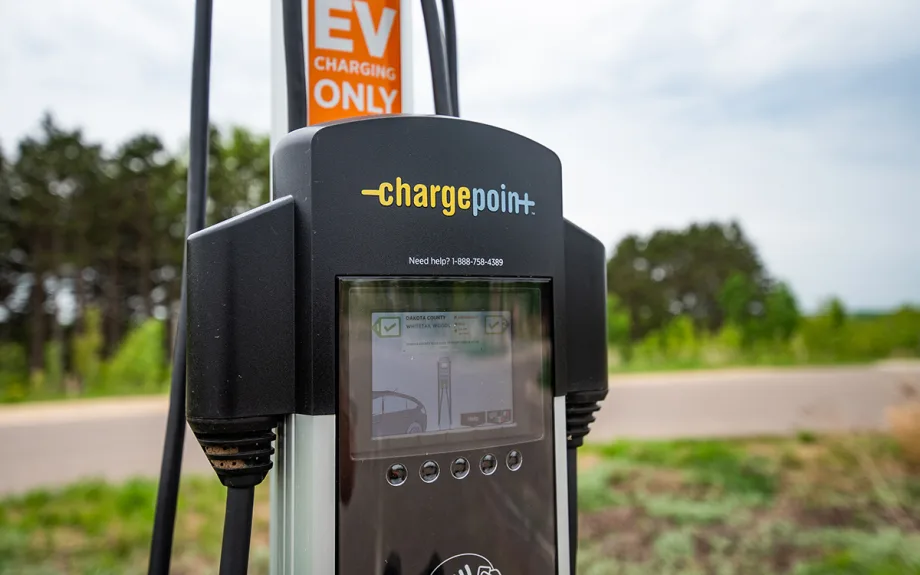
U.S. electric-vehicle sales forecasted by the Edison Electric Institute would require the presence of more than 9 million charging ports by 2030.
Photo by Tony Webster via Flickr
WASHINGTON — An association representing America’s privately held electric companies has released a report predicting the number of EVs on U.S. roads will double by 2021. In “Electric Vehicle Sales Forecast and the Charging Infrastructure Required Through 2030,” authors Adam Cooper and Kellen Schefter of the Edison Electric Institute predict the sales of 1 million EVs in the next three years, matching the number sold over the past eight.
“Automakers are responding to customer demand and are developing more EV models, including both plug-in hybrid electric vehicles (PHEVs) and battery electric vehicles (BEVs), that are increasingly cost-competitive with internal combustion engines,” the authors wrote, in part. “In addition, customers are purchasing EVs in record numbers, and electric companies are working with stakeholders to move the EV infrastructure market forward.”
By 2030, the report predicts:
• A total rolling stock of 18.7 million EVs, representing about 7% of all U.S. vehicles.
• Average annual sales exceeding 3.5 million EVs, representing about 20% of all new-vehicle sales.
• The need for an EV charging infrastructure that includes 9.6 million ports nationwide.
In conclusion, the authors wrote, “Electric company participation in the development of EV charging infrastructure supports state-level clean energy and transportation goals, expands customer choice, and helps to scale and ensure the availability of needed EV charging infrastructure to support the growing number of EVs on U.S. roads.”
To read the full report, click here.
Originally posted on Auto Dealer Today
More Industry
Badger State Dealership Gets New Owner
The longtime southern Wisconsin store moved from one area auto group to another, keeping the business in Dairyland.
Read More →
The Cycle of Negative Equity
Third-quarter data shows consumers still rolling over debt and stretching loan terms, raising their risk of remaining underwater.
Read More →
Charger Network Growth Slows
Despite a projected increase in public EV chargers in 2026, charging infrastructure remains a top concern for consumers as the gap between the most and least EV-friendly places remains substantial.
Read More →
Lenders, Consumers Take on More Auto Loan Risk
September records loosened credit access the most in over a decade as buyers took advantage of the conditions to afford trading, though loan applications fell.
Read More →
Next-Gen Hybrids in Sight
Dealerships can expect to see revamped hybrids from Honda next year as the company rolls out a new system and model lineup.
Read More →
Gem State Stores Change Hands
A larger auto group founded in the industry’s early years sold two franchises to a neighbor group that's on a growth spurt.
Read More →
Charging In Motion
Honda has been researching wireless in-motion charging for electric vehicles since 2025, and new technology developments have put it a step closer to a final product.
Read More →
Twin Cities Stores Sell
Minnesota-based Walser Automotive Group made what it called the most significant acquisition in its history with a three-rooftop deal in Minneapolis.
Read More →
U.S. Auto Sales Still Below Prepandemic Levels
Mobility Global industry observers don’t expect the market to return to the higher volumes that became routine before Covid but to stay well below its potential.
Read More →
The Powertrain Shift
Electric-vehicle owners are backpedaling, according to new data, with product availability driving many to shift back to gas-powered engines.
Read More →