


Safety Agency Investigates Ford Minivans and the Jeep Liberty

Following the report of a death and three injuries, the National Highway Traffic Safety Administration has begun investigating collapsing tire jacks on about 206,000 Ford Freestar and Mercury Monterey minivans from the 2004-5 model years. In a separate action, the agency has upgraded its investigation into rear suspension failures on about 200,000 Jeep Liberty S.U.V.’s from the 2004-5 model years, reported The New York Times.
In a filing dated Sept. 13, the agency said it had five complaints from consumers and one report from Ford of jacks failing, which resulted in minivans falling off of the jacks.
The agency said it had reports of three injuries and one fatality, the latter occurring when a vehicle fell on a man working beneath it without any additional support.
In each case, the jacks “appeared to have failed at the slotted hinge joints which separated under load,” the agency said.
Wesley Sherwood, a Ford spokesman, wrote in an e-mail that the automaker would “fully cooperate with the government as they review the matter,” including the allegation of a death. Ford did not report the fatality to the agency, Mr. Sherwood said.
On the Jeeps, the agency has intensified an investigation it started last April after receiving nine complaints that rear lower control arms were rusting and failing. That included three complaints indicating that drivers lost control but did not crash. The investigation covered 370,000 examples of Liberty models from 2002-5.
In a Sept. 15 document, the safety agency said it had 13 complaints related to the failures, but no reports of crashes or injuries.
N.H.T.S.A. said that while the initial investigation covered 2002-5 vehicles — a full model generation of the Liberty — all of the complaints involved vehicles from 2004–5 driven in states that used a lot of road salt. Chrysler, when asked for technical information, disclosed that it had made what the agency called a “substantial design change” to the rear suspension starting with the 2004 model year. None of the complaints received by the agency indicated there were rust problems with 2002-3 models, so now the agency has focused its investigation on the 2004-5 model years.
More Industry
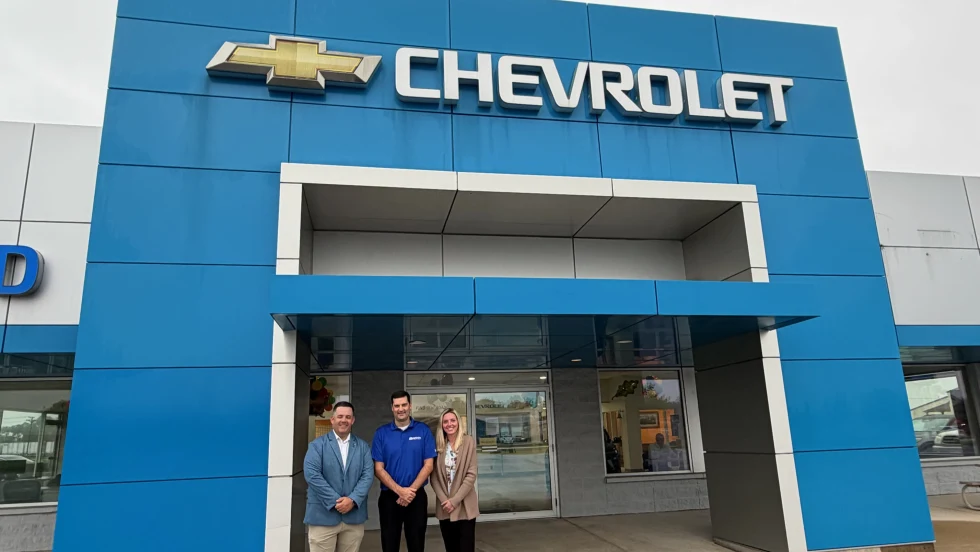
Badger State Dealership Gets New Owner
The longtime southern Wisconsin store moved from one area auto group to another, keeping the business in Dairyland.
Read More →
The Cycle of Negative Equity
Third-quarter data shows consumers still rolling over debt and stretching loan terms, raising their risk of remaining underwater.
Read More →
Charger Network Growth Slows
Despite a projected increase in public EV chargers in 2026, charging infrastructure remains a top concern for consumers as the gap between the most and least EV-friendly places remains substantial.
Read More →
Lenders, Consumers Take on More Auto Loan Risk
September records loosened credit access the most in over a decade as buyers took advantage of the conditions to afford trading, though loan applications fell.
Read More →
Next-Gen Hybrids in Sight
Dealerships can expect to see revamped hybrids from Honda next year as the company rolls out a new system and model lineup.
Read More →
Gem State Stores Change Hands
A larger auto group founded in the industry’s early years sold two franchises to a neighbor group that's on a growth spurt.
Read More →
Charging In Motion
Honda has been researching wireless in-motion charging for electric vehicles since 2025, and new technology developments have put it a step closer to a final product.
Read More →
Twin Cities Stores Sell
Minnesota-based Walser Automotive Group made what it called the most significant acquisition in its history with a three-rooftop deal in Minneapolis.
Read More →
U.S. Auto Sales Still Below Prepandemic Levels
Mobility Global industry observers don’t expect the market to return to the higher volumes that became routine before Covid but to stay well below its potential.
Read More →
The Powertrain Shift
Electric-vehicle owners are backpedaling, according to new data, with product availability driving many to shift back to gas-powered engines.
Read More →