


Service Retailers Missing Best Chance at Increasing Customer Pay Revenue, According to New Research

DAYTONA BEACH, Fl. - DMEautomotive (DMEa), released key findings from a national survey conducted among 2,000+ U.S. vehicle owners by its Strategy & Analytics Division. The new data reveals a changing consumer purchasing process for the auto service industry's high-volume, high-profit brakes, batteries and tires that indicates new sales and marketing strategies, especially for younger car owners, are needed by service retailers.
With battery, brake and tire replacement services representing tens of billions in customer pay dollars annually, the findings serve as an industry wake-up call. On average, only one car owner in twelve first learned that they needed new brakes, tires or a battery from a dealer or mechanic, indicating that a passive sales approach is leading to lost revenue opportunities. And, while the survey reveals that consumers, on average, do a large amount of research on these services, it's the under-35 customer thats radically remaking the path-to-purchase: not only are they far more likely to research providers, using more digital media sources, and to start researching further in advance, they're also exponentially more likely to both buy, and consider buying, their tires and batteries online.
This new research helps all service businesses understand todays brakes/battery/tires purchasing funnel, so they can put in place the right, cross-channel strategies to grow market share, said Doug Van Sach, Vice President of Strategy & Analytics at DMEa.
While both the aftermarket and dealerships alike are missing out on crucial revenue opportunities, Van Sach noted that other, recent DMEa research reveals that aftermarket players are winning the brakes-battery-tires war, with only 64% of dealer customers reporting they would consider using dealers for brake services, 46% for battery replacements and 36% for tires. Only 44% are likely to choose dealerships for these services (in aggregate) within the first two years of in-warranty ownership. And, as vehicles hit 3-6 years, dealers lose roughly half of this business. Furthermore, DMEa research shows that for dealers, cracking the under-35 shoppers service selection code is mission critical, as roughly half of aftermarket chain loyalists are now under-35, while half of dealer loyalists are an aging 50+.
Key Findings
Customers aren't actively monitoring their brakes, battery and tire health, and neither are retailers. Seventy percent reported they realized they needed to replace their battery because it was already dying/dead - 44% realized they needed new tires because they personally noticed they were worn out - and 69% became enlightened that they needed brakes because they were already squeaking, grinding or having other issues. Dealers and mechanics are clearly not aggressively identifying or recommending these service needs.
For relatively simple auto services, a surprisingly high level of provider-selection Internet research is going on - another window into the intensely disloyal service market. Thirty-nine percent researched where to have their most recent battery replaced, with 77% performing that research within a week of replacement. Forty-one percent researched where to have brakes replaced, with 63% starting that research within a week of service. For tires, research levels are even higher, and people are also taking more time to find the right place to buy: 58% researched their last tire purchase, and 47% began researching stores a month or longer before they pulled the trigger.
The survey found that the under-35, dealer-resistant consumers brake/battery/tire purchase process is a far cry from their grandfathers, with this age group researching these services at rates over two times higher than those over 35. Additionally, younger car owners research significantly further in advance. For instance, for tire purchases, theyre 62% more likely to start their tire research 2-5 months out, compared with those over 35.
Those under 35 are also more likely to consult a variety of external sources, especially digital media. For example, the survey closely examined the tire purchasing process and found that younger consumers consulted every commonly used resource when researching tires (whether TV or print ads - or asking a mechanic or friend) at higher rates than those over 35. They were also nearly three times more likely (31%) to consult store Web sites than those under 35 (13%), with store sites representing the top resource this younger shopper uses. Web sites also have a more powerful impact on the under-35: over 50% reported store/auto sites impacted their tire purchase, vs. 25-30% of those aged 35+.
The under-35 customer is also radically more likely to buy, and consider buying, their tires and batteries online. And those that have made online purchases seem very satisfied: across all age groups, more than 90% that have purchased batteries/tires online would do so again.
More Industry
Charger Network Growth Slows
Despite a projected increase in public EV chargers in 2026, charging infrastructure remains a top concern for consumers as the gap between the most and least EV-friendly places remains substantial.
Read More →
Lenders, Consumers Take on More Auto Loan Risk
September records loosened credit access the most in over a decade as buyers took advantage of the conditions to afford trading, though loan applications fell.
Read More →
Next-Gen Hybrids in Sight
Dealerships can expect to see revamped hybrids from Honda next year as the company rolls out a new system and model lineup.
Read More →
Gem State Stores Change Hands
A larger auto group founded in the industry’s early years sold two franchises to a neighbor group that's on a growth spurt.
Read More →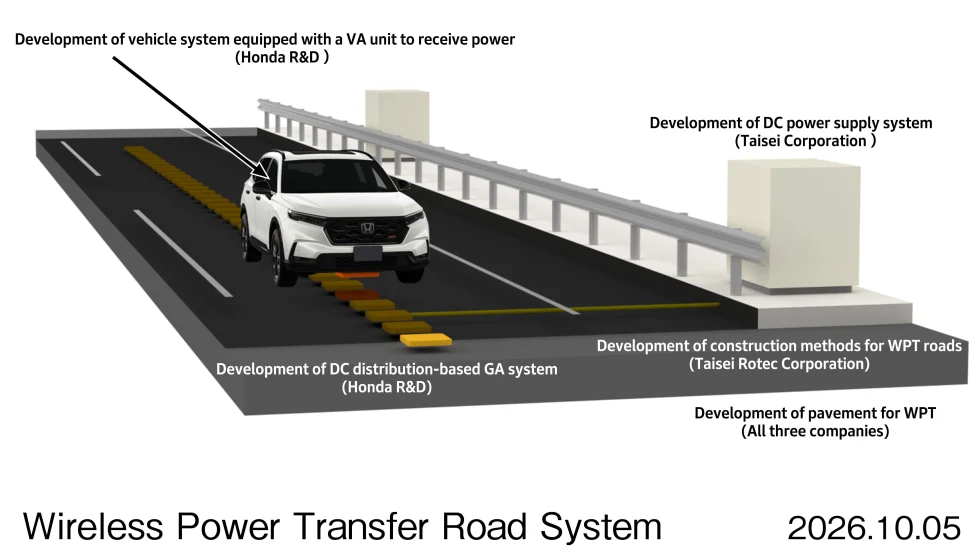
Charging In Motion
Honda has been researching wireless in-motion charging for electric vehicles since 2025, and new technology developments have put it a step closer to a final product.
Read More →
Twin Cities Stores Sell
Minnesota-based Walser Automotive Group made what it called the most significant acquisition in its history with a three-rooftop deal in Minneapolis.
Read More →
U.S. Auto Sales Still Below Prepandemic Levels
Mobility Global industry observers don’t expect the market to return to the higher volumes that became routine before Covid but to stay well below its potential.
Read More →
The Powertrain Shift
Electric-vehicle owners are backpedaling, according to new data, with product availability driving many to shift back to gas-powered engines.
Read More →
Achromatic Autos
The shades that dominate the U.S. car market don’t call attention to themselves, though grayscale may have plateaued after a 30-year upswing, research shows.
Read More →
Used-Vehicle Affordability Worsens
Listing prices in August defied seasonal trends, rising above $27,000 for the second time this year.
Read More →