


Texas vs. California
The state known for its pickups penchant threatens to overtake the traditional center of U.S. car culture as it grows sales of new vehicles and pays more for them.

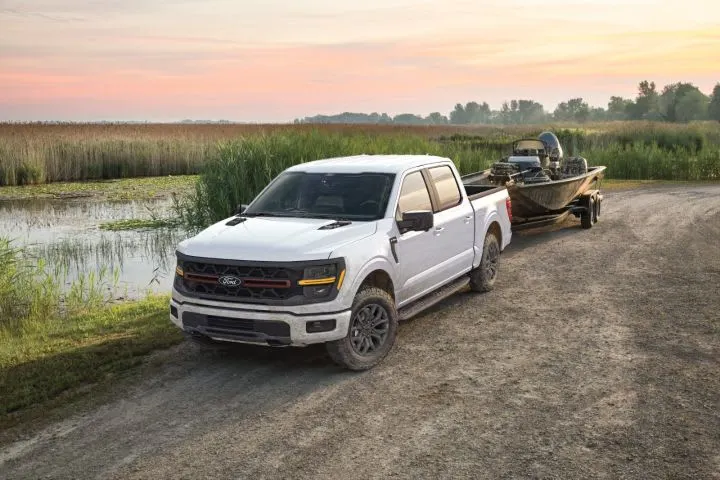
Twenty-seven percent of Texas new-vehicle sales are pickup trucks.
Ford
They say that Texas does everything big, and the Lone Star state is flexing its collective muscle in U.S. automotive retail to the point of challenging the longtime market leader.
Tracking of state-by-state new-vehicle market share in recent years shows Texas closing in on U.S. leader California and already having passed it on total consumer spending, according to JD Power.
The company’s report points to Texas population and economic growth and a steady appetite for pickups as reasons for the closing gap between the sometime rivals.
So far this year, California’s market share of light-vehicle sales has dipped from 12.5% to 11.4% while Texas’ grew from 9.3% to 10.8%, JD Power reported. Based on the company’s 2026 U.S. retail sales forecast of 16.3 million units, it projects California will be down about 160,000 units compared to 2019 averages as Texas adds 197,000.
Texas already surpassed California in 2024 based on consumer spending on new vehicles, according to JD Power, though the two are still neck-and-neck. Texas’ share is now 10.7% versus California’s 9.9%. Texas auto dealers also make $400 more in finance-and-insurance revenue per transaction than California dealers.
“This puts a significant focus on vehicle financing as a critical component of the auto sales profitability equation as Texas becomes the dominant automotive market in the U.S.,” the JD Power report said.
Part of the purchase expenditure difference comes in Texas’ liking for pickups, whose prices skew high. Trucks make up 27% of the state’s new-vehicle sales compared to 17% of California’s. On the other hand, the latter market sees more luxury-vehicle sales versus Texas' lean toward mass-market brands.
Since Golden State consumers still buy a sizable share of sedans, JD Power says Texas’ growing influence could move automakers further away from that vehicle type than it already has to more heavily invest in higher-priced trucks and other larger vehicles.
Meanwhile, though California embraced electric vehicles and hybrids early and leads the country on EV sales, Texas has seen steady EV adoption and hasn’t experienced significant sales dips in the months since the federal government ended purchase incentives, JD Power said.
More Industry
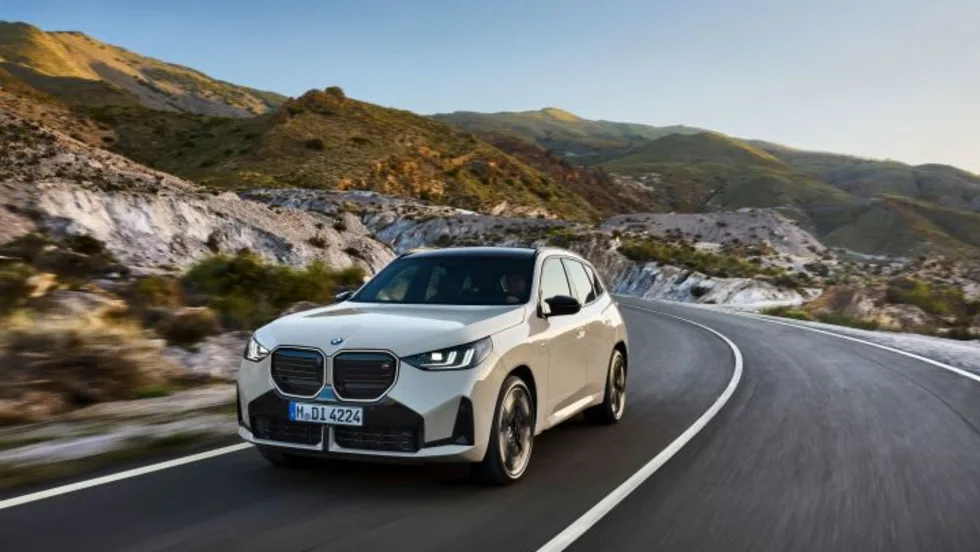
Achromatic Autos
The shades that dominate the U.S. car market don’t call attention to themselves, though grayscale may have plateaued after a 30-year upswing, research shows.
Read More →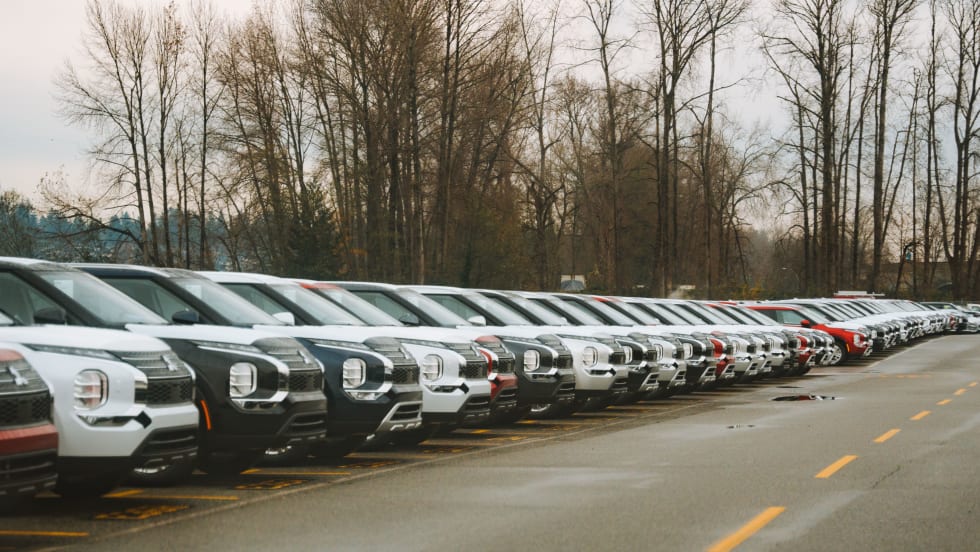
Used-Vehicle Affordability Worsens
Listing prices in August defied seasonal trends, rising above $27,000 for the second time this year.
Read More →
First-Half Dealership Deals Up
Buy-sell activity shows that acquirers are looking for value and scale as many retailers seek to leave an increasingly competitive and complex market, Kerrigan Advisors reports.
Read More →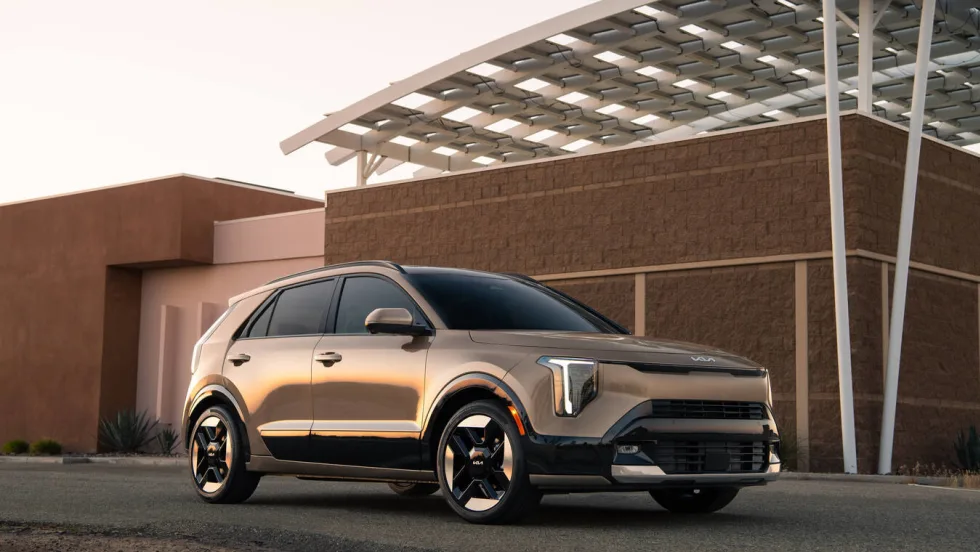
Kia Closes Out Summer With a Bang
Its U.S. subsidiary broke multiple records in August, in part due to a surge of demand for hybrids models.
Read More →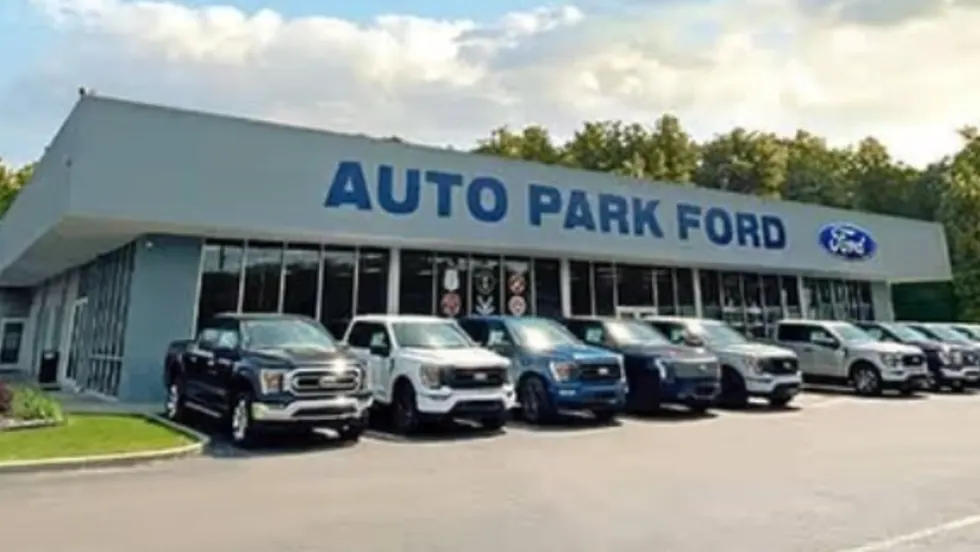
Indiana Dealership Changes Hands
A 30-year-old Ford dealership in Indiana has a new owner and will soon be undergoing renovations to meet manufacturer requirements.
Read More →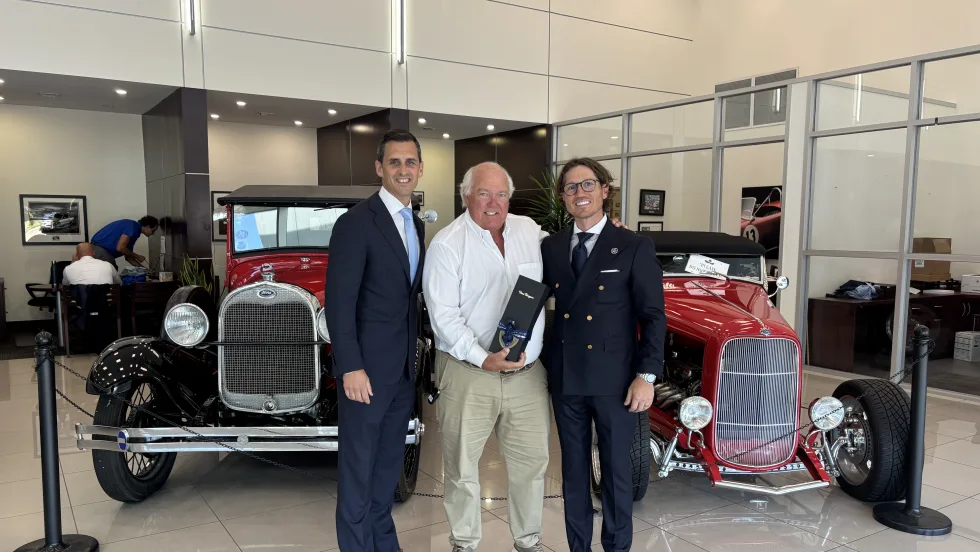
Texas Dealership No Longer in the Family
The Ford store, a longtime cornerstone of the Houston market, is now part of one of the fastest-growing U.S. auto groups.
Read More →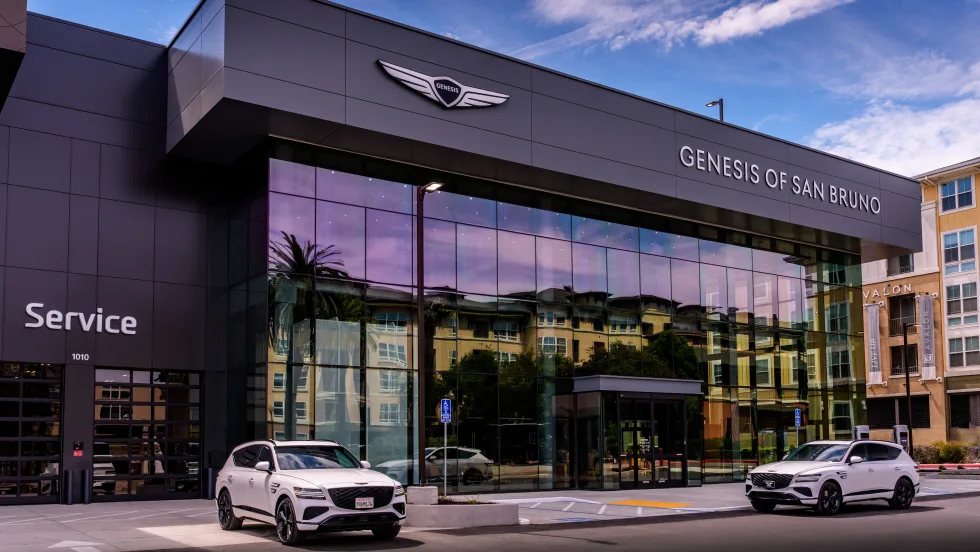
Genesis Grows California Presence
The Cardinale Automotive Group opened its third Genesis rooftop in the Golden State, Genesis of San Bruno, a stand-alone dealership serving the San Francisco Bay Area.
Read More →
August Auto Sales a Mixed Bag
An early forecast shows strong business despite consumer hurdles, and hybrids are a big piece of their affordability coping strategy.
Read More →
EV Market Humming Along
July sales show steady growth as the segment stabilizes from last year’s artificial surge following pullback of federal support.
Read More →
Auto Loan Delinquency Rates Stabilize
Auto loans are a main driver of nonmortgage consumer debt, but delinquency rates stabilized in the second quarter across all credit risk tiers.
Read More →