


World EV Adoption Set to Grow
A new report says the segment, despite recent setbacks in some regions, is poised for acceleration as many countries look to reduce pollution.

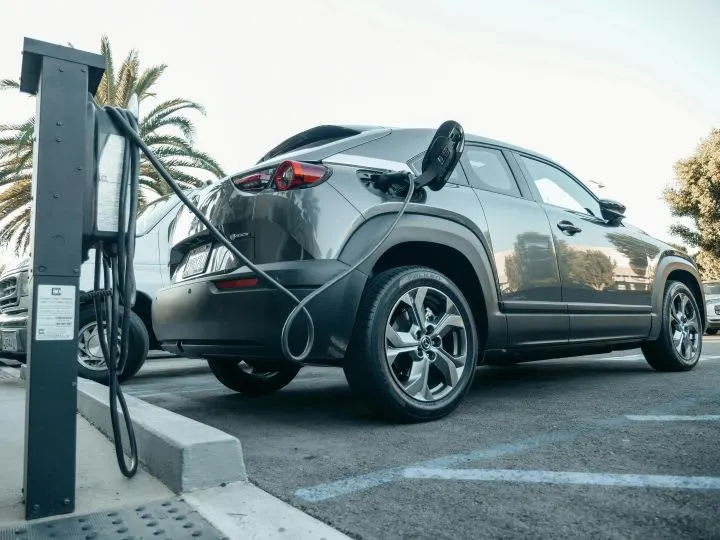
Pexels/Kindel Media
A seven-year forecast puts annual global electric-vehicle growth at 15% as EV technology improves, many governments incentivize adoption, ownership costs fall, and consumers have more models to choose from.
The Persistence Market Research report projects the compound annual growth rate to expand the worldwide EV market to $2.2 billion by 2033, much of that from Chinese automakers, such as BYD, that have made inroads in Europe, Latin America and now Canada.
Many countries and some states have targeted more zero-emission auto sales to curb fossil-fuel pollution, and public and private investment in public charging networks has quickly expanded, the report points out.
For instance, India, now the world’s most populous country, aims for 30% EV penetration by 2030 and is investing in infrastructure toward that end.
EV battery advancements, particularly in lithium-ion batteries, have increased EV ranges, cut charging times and lowered EV production costs, making EVs more competitive with gas-powered models, according to the market data provider.
The report expects battery-electric vehicles to lead the overall EV market at nearly 50% share, while plug-in hybrids will serve as transition models in areas with limited public chargers. It pointed to Tesla and BYD’s 2025 expansion of BEV lineups and production capacity.
Though the Asia-Pacific region leads in EV adoption, followed by Europe, India is an emerging adopter country. The report still considers North America a key EV market, despite pullbacks of government incentives, partly due to legacy automakers’ increased competitiveness and startup EV makers’ contributions.
More Industry

Charger Network Growth Slows
Despite a projected increase in public EV chargers in 2026, charging infrastructure remains a top concern for consumers as the gap between the most and least EV-friendly places remains substantial.
Read More →
Lenders, Consumers Take on More Auto Loan Risk
September records loosened credit access the most in over a decade as buyers took advantage of the conditions to afford trading, though loan applications fell.
Read More →
Next-Gen Hybrids in Sight
Dealerships can expect to see revamped hybrids from Honda next year as the company rolls out a new system and model lineup.
Read More →
Gem State Stores Change Hands
A larger auto group founded in the industry’s early years sold two franchises to a neighbor group that's on a growth spurt.
Read More →
Charging In Motion
Honda has been researching wireless in-motion charging for electric vehicles since 2025, and new technology developments have put it a step closer to a final product.
Read More →
Twin Cities Stores Sell
Minnesota-based Walser Automotive Group made what it called the most significant acquisition in its history with a three-rooftop deal in Minneapolis.
Read More →
U.S. Auto Sales Still Below Prepandemic Levels
Mobility Global industry observers don’t expect the market to return to the higher volumes that became routine before Covid but to stay well below its potential.
Read More →
The Powertrain Shift
Electric-vehicle owners are backpedaling, according to new data, with product availability driving many to shift back to gas-powered engines.
Read More →
Achromatic Autos
The shades that dominate the U.S. car market don’t call attention to themselves, though grayscale may have plateaued after a 30-year upswing, research shows.
Read More →
Used-Vehicle Affordability Worsens
Listing prices in August defied seasonal trends, rising above $27,000 for the second time this year.
Read More →