


Toyota's Lexus Trails Mercedes-Benz In U.S. Luxury Race For A Third Month

Daimler AG’s Mercedes-Benz outsold Toyota Motor Corp.’s Lexus in the U.S. in March, marking three straight months the Japanese brand has failed to come out on top after winning the annual luxury race for 11 years.
Mercedes U.S. deliveries, boosted by sales of its E-Class and C-Class sedans, rose 9.4 percent to 21,484 compared to the same month last year, the Stuttgart, Germany-based automaker said today in a statement. Lexus sales rose 2.3 percent to 20,682 from a year ago while Bayerische Motoren Werke AG’s namesake brand reported a 12 percent gain to 20,295, reported Bloomberg.
March’s results combined with January and February make Mercedes the leader for the year so far by 729 sales over BMW and 5,990 over Lexus. Mercedes in the first quarter sold 53,346 vehicles. BMW, which is based in Munich, sold 52,617 and Lexus 47,356.
The results exclude Daimler’s Sprinter vans and Smart cars and BMW’s Mini brand, which aren’t luxury vehicles.
The ongoing disruption on factory operations in Japan following last month’s earthquake mean the Lexus brand may not be able to retain its rank as the top-selling U.S. luxury brand, Mark Templin, head of U.S. Lexus sales, said today.
“That may not happen as a result of production issues in Japan,” he said in a conference call.
He declined to say whether he expected competitors such as BMW and Mercedes-Benz to capitalize on the Lexus inventory situation. “You’ll have to ask them,” Templin said.
All Lexus models, except for RX sport-utility vehicles are produced only in Japan. Templin said he’s getting daily updates on what to expect in terms of inventory, without elaborating.
While Lexus has been the annual luxury leader in the U.S. since 2000, the Toyota City, Japan-based automaker’s lead over BMW shrank to 9,216 in 2010 as the Japanese automaker felt the effects of record recalls last year.
Even before the earthquake, the brand had been hurt by a lack of new vehicles while the German automakers have been helped by aggressive leasing deals, said Jesse Toprak, an industry analyst with TrueCar.com, a website that tracks auto sales.
“I don’t know if they care as much this year,” he said. Toyota’s focus this year is “to make sure their supply-chain issues - due to what’s happening in Japan - do not cost them more than what it may have already.”
The situation might also help domestic brands, such as General Motors Co.’s Cadillac, he said.
“By all means, whether it’s Mercedes or BMW or us, is that an opportunity? Sure it is,” Kurt McNeil, Cadillac’s vice president of sales, said in a telephone interview.
Sales for GM’s Cadillac luxury division rose 4.5 percent to 12,164 last month, as CTS sales rose 36 percent aided by the new coupe version.
Mercedes, which sets its production plans 60 to 90 days in advance, has limited ability to take advantage of any Lexus shortage, Ernst Lieb, head of Mercedes’s U.S. unit, said in a telephone interview.
“We can’t flip a switch quick enough to get more production,” he said. “There might be a bit of shift in terms share in these months but it’s limited.”
Nissan Motor Co.’s Infiniti sold 11,287 vehicles, a 14 percent increase from a year earlier, said Ben Poore, head of U.S. sales for the brand.
Honda Motor Co., based in Tokyo, said in a statement that sales for its Acura brand rose 7.6 percent to 12,611 last month.
U.S. deliveries of Volkswagen AG’s Audi brand rose 14 percent to 9,818 vehicles, a record for March, the company said in an e-mail.
Porsche SE, the Stuttgart-based automaker merging with Volkswagen, sold 2,588, a 36 percent gain, the company said in a statement.
Ford Motor Co. sold 8,501 Lincoln luxury vehicles in March, a 2.2 percent decrease from a year earlier, according to a statement from the Dearborn, Michigan-based automaker.
Land Rover deliveries rose 26 percent to 3,441, while Jaguar sales slipped 11 percent to 874, Mumbai-based Tata Motors Ltd. said in an e-mailed statement.
More Industry

Charger Network Growth Slows
Despite a projected increase in public EV chargers in 2026, charging infrastructure remains a top concern for consumers as the gap between the most and least EV-friendly places remains substantial.
Read More →
Lenders, Consumers Take on More Auto Loan Risk
September records loosened credit access the most in over a decade as buyers took advantage of the conditions to afford trading, though loan applications fell.
Read More →
Next-Gen Hybrids in Sight
Dealerships can expect to see revamped hybrids from Honda next year as the company rolls out a new system and model lineup.
Read More →
Gem State Stores Change Hands
A larger auto group founded in the industry’s early years sold two franchises to a neighbor group that's on a growth spurt.
Read More →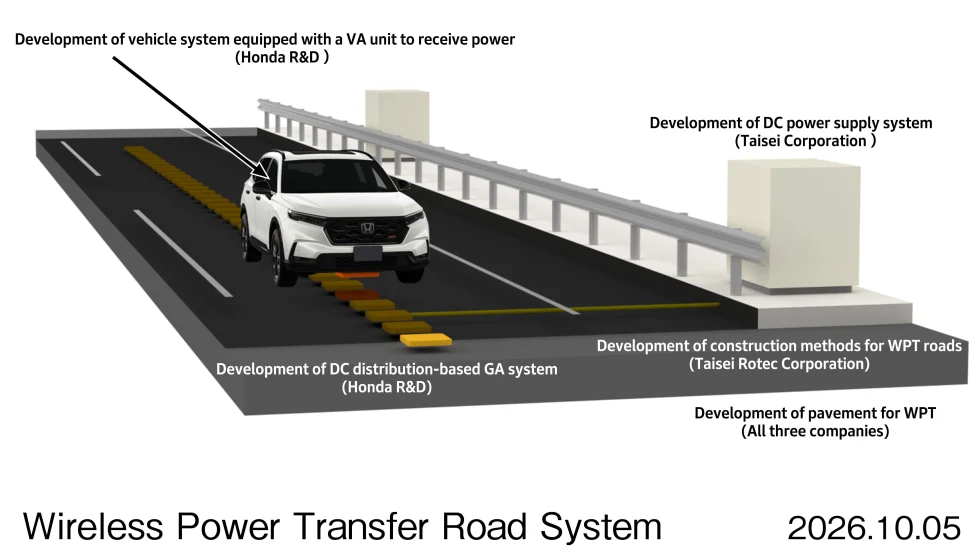
Charging In Motion
Honda has been researching wireless in-motion charging for electric vehicles since 2025, and new technology developments have put it a step closer to a final product.
Read More →
Twin Cities Stores Sell
Minnesota-based Walser Automotive Group made what it called the most significant acquisition in its history with a three-rooftop deal in Minneapolis.
Read More →
U.S. Auto Sales Still Below Prepandemic Levels
Mobility Global industry observers don’t expect the market to return to the higher volumes that became routine before Covid but to stay well below its potential.
Read More →
The Powertrain Shift
Electric-vehicle owners are backpedaling, according to new data, with product availability driving many to shift back to gas-powered engines.
Read More →
Achromatic Autos
The shades that dominate the U.S. car market don’t call attention to themselves, though grayscale may have plateaued after a 30-year upswing, research shows.
Read More →
Used-Vehicle Affordability Worsens
Listing prices in August defied seasonal trends, rising above $27,000 for the second time this year.
Read More →