


Why EPA's Tier 3 Final Rule Makes Sense to Global Automakers

Washington - The Association of Global Automakers praised the Environmental Protection Agency (EPA) with the release of its final rule on Tier 3 vehicle emissions and fuel standards.
"Reducing sulfur in gasoline brings instant benefits to consumers and the environment," said Michael J. Stanton, president and CEO, Global Automakers. "This rulemaking will reduce emissions from the existing fleet of vehicles on our roads today and opens the door for even cleaner cars in the future."
Here are the top five reasons why Global Automakers supports the EPA Tier 3 Rule:
Automakers and consumers will have cleaner fuel at the pump nationwide to support the 15 million new vehicles on the road each year.
Tier 3 standards harmonize the federal and the California LEV III emission programs for both vehicles and fuels. This provides a holistic, national approach to reducing smog-forming emissions by avoiding a patchwork of differing federal and state standards.
Reducing sulfur in gasoline yields immediate public benefits. Using ultra-low sulfur fuel reduces the emissions from every gasoline-powered vehicle currently on the road. According to the National Association of Clean Air Agencies, the emissions impact on the legacy fleet is equivalent to taking over 30 million vehicles off the road.
Ultra-low sulfur gasoline enables automakers to use a broader range of technologies to meet the nation's environmental needs while still providing consumers with a variety of vehicle choices.
Ultra-low sulfur gasoline is critical for automobile manufacturer efforts to meet the combined 54.5 MPG fuel economy and greenhouse gas emissions standard by 2025, as mandated by federal and California law.
More Industry
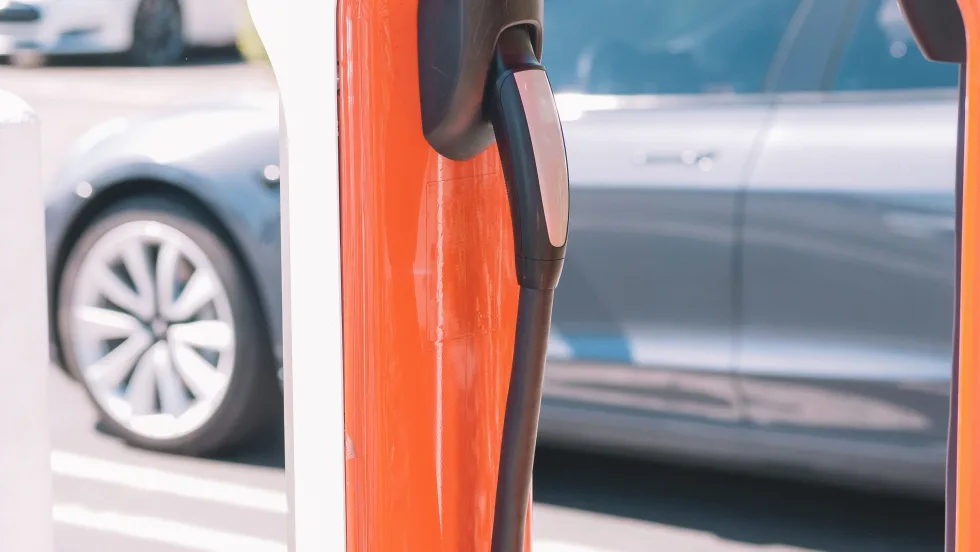
Charger Network Growth Slows
Despite a projected increase in public EV chargers in 2026, charging infrastructure remains a top concern for consumers as the gap between the most and least EV-friendly places remains substantial.
Read More →
Lenders, Consumers Take on More Auto Loan Risk
September records loosened credit access the most in over a decade as buyers took advantage of the conditions to afford trading, though loan applications fell.
Read More →
Next-Gen Hybrids in Sight
Dealerships can expect to see revamped hybrids from Honda next year as the company rolls out a new system and model lineup.
Read More →
Gem State Stores Change Hands
A larger auto group founded in the industry’s early years sold two franchises to a neighbor group that's on a growth spurt.
Read More →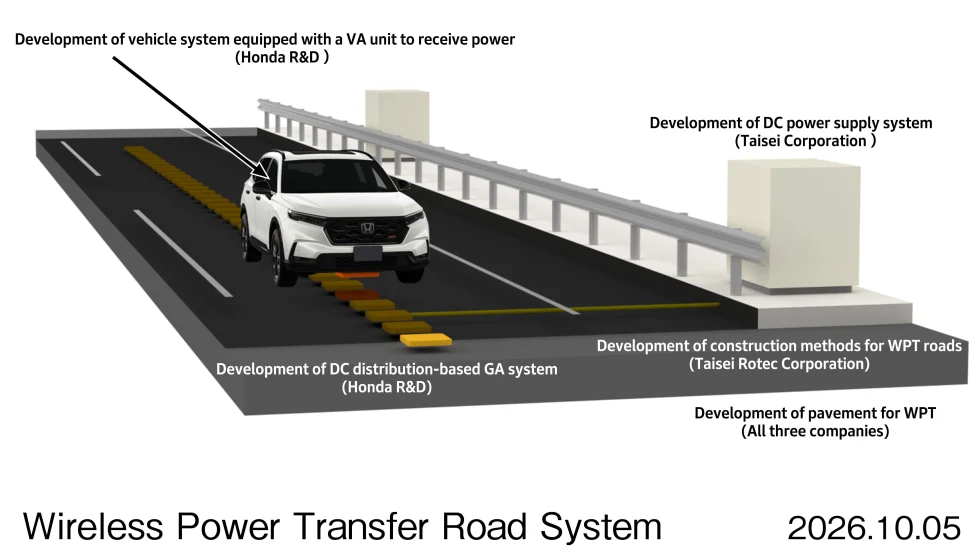
Charging In Motion
Honda has been researching wireless in-motion charging for electric vehicles since 2025, and new technology developments have put it a step closer to a final product.
Read More →
Twin Cities Stores Sell
Minnesota-based Walser Automotive Group made what it called the most significant acquisition in its history with a three-rooftop deal in Minneapolis.
Read More →
U.S. Auto Sales Still Below Prepandemic Levels
Mobility Global industry observers don’t expect the market to return to the higher volumes that became routine before Covid but to stay well below its potential.
Read More →
The Powertrain Shift
Electric-vehicle owners are backpedaling, according to new data, with product availability driving many to shift back to gas-powered engines.
Read More →
Achromatic Autos
The shades that dominate the U.S. car market don’t call attention to themselves, though grayscale may have plateaued after a 30-year upswing, research shows.
Read More →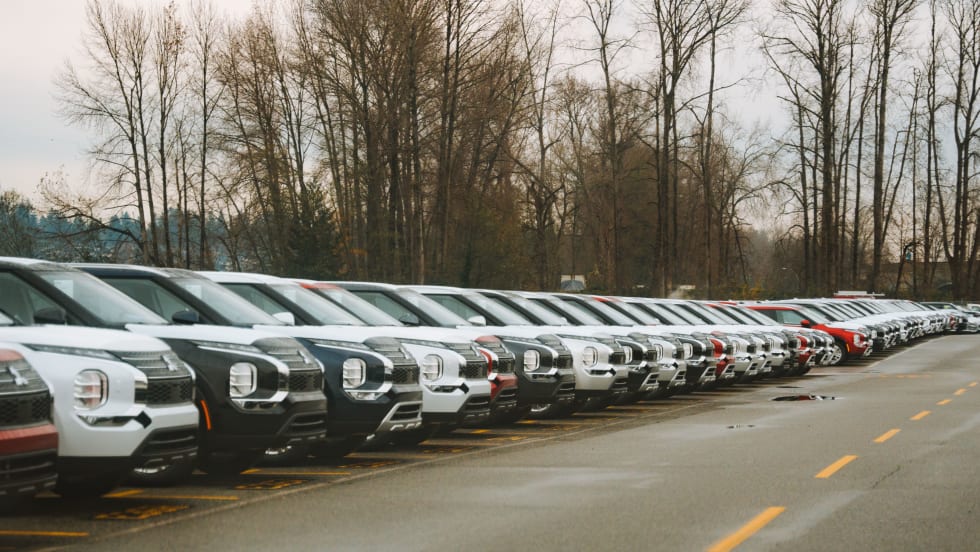
Used-Vehicle Affordability Worsens
Listing prices in August defied seasonal trends, rising above $27,000 for the second time this year.
Read More →