


A Measured Approach
Shifting to neutral on power train strategy makes more sense as we look to automotive retail’s future.


Manufacturers had already pivoted to a more realistic vision of power train by choice.
Pexels/Negative Space
In the past couple of years, electric vehicles became a political issue as both the auto industry and consumers felt pressure to accelerate adoption. I got the impetus behind the push: the need to slow pollution, which is never a bad idea, in my mind.
The U.S. also saw the need to compete with the rapidly rising Chinese auto industry, which has pulled ahead on EV development, production and sales. China-based automaker BYD passed U.S. EV market leader Tesla in global sales last year.
One by one, U.S. automakers made plans for all-EV lineups by next decade, and California banned the sale of new gas-powered vehicles in 2035, a move followed by 11 other states. But consumer demand failed to rise with the expectations. ISeeCars.com declared in July that EVs have peaked in the U.S. after starting to flatten late last year.
Manufacturers had already pivoted to a more realistic vision of power train by choice – offer all of the types and let the consumer pick from among them, a very democratic, capitalistic concept.
The Trump administration has taken a car crusher to various EV incentives, from federal tax breaks, which will now expire in October, to pulling previously approved federal funding to states for EV charger development. In June a federal judge ordered the administration to reverse the latter in 14 states that sued over the freeze. Congress, meanwhile, killed California’s zero-emissions vehicle mandate.
While I think it makes sense to incentivize clean energy in whatever form, recalibrating the approach to EV development seems like a wise correction.
I was talking with a friend recently about wishing I’d bought a hybrid years ago. I didn’t want to be a guinea pig but feel now that I waited too long. We both agreed that we’re uncomfortable with the idea of a purely electric model for charge-range anxiety reasons. In addition to higher prices for new EVs, insufficient public chargers in less-developed areas is a top impediment to adoption.
Now that the American foot has eased up on the EV accelerator, it seems there should be time to get all of the infrastructure in place for those who want to make the switch. Others can opt for hybrids or different clean technologies, like biodiesel and hydrogen if those models end up making practical sense.
Hopefully as group, we’ll clear the air while also retaining consumer discretion.
Originally posted on Auto Dealer Today
More Industry
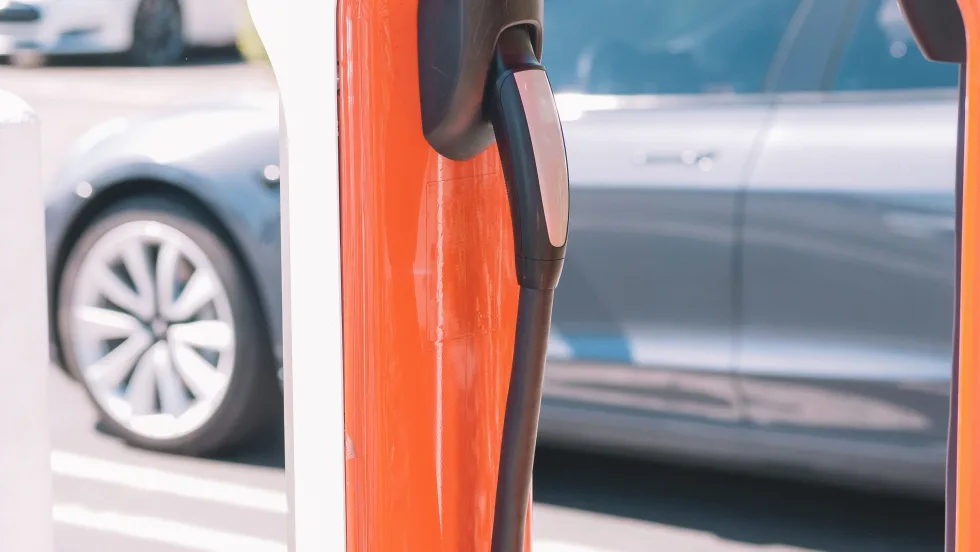
Charger Network Growth Slows
Despite a projected increase in public EV chargers in 2026, charging infrastructure remains a top concern for consumers as the gap between the most and least EV-friendly places remains substantial.
Read More →
Lenders, Consumers Take on More Auto Loan Risk
September records loosened credit access the most in over a decade as buyers took advantage of the conditions to afford trading, though loan applications fell.
Read More →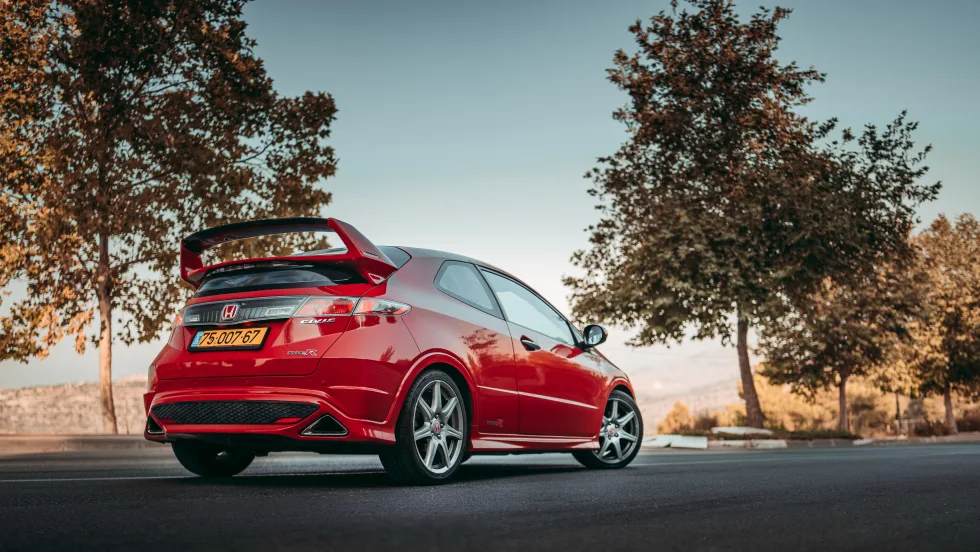
Next-Gen Hybrids in Sight
Dealerships can expect to see revamped hybrids from Honda next year as the company rolls out a new system and model lineup.
Read More →
Gem State Stores Change Hands
A larger auto group founded in the industry’s early years sold two franchises to a neighbor group that's on a growth spurt.
Read More →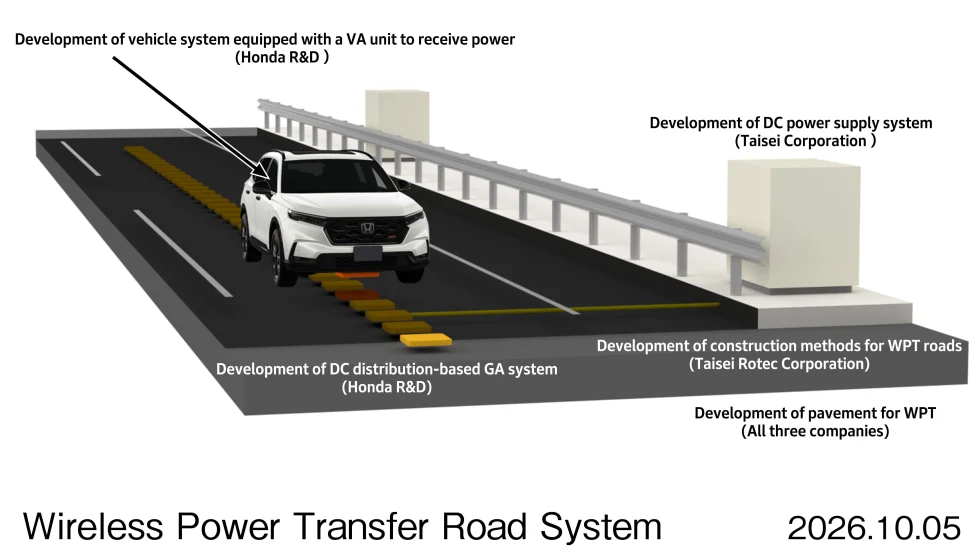
Charging In Motion
Honda has been researching wireless in-motion charging for electric vehicles since 2025, and new technology developments have put it a step closer to a final product.
Read More →
Twin Cities Stores Sell
Minnesota-based Walser Automotive Group made what it called the most significant acquisition in its history with a three-rooftop deal in Minneapolis.
Read More →
U.S. Auto Sales Still Below Prepandemic Levels
Mobility Global industry observers don’t expect the market to return to the higher volumes that became routine before Covid but to stay well below its potential.
Read More →
The Powertrain Shift
Electric-vehicle owners are backpedaling, according to new data, with product availability driving many to shift back to gas-powered engines.
Read More →
Achromatic Autos
The shades that dominate the U.S. car market don’t call attention to themselves, though grayscale may have plateaued after a 30-year upswing, research shows.
Read More →
Used-Vehicle Affordability Worsens
Listing prices in August defied seasonal trends, rising above $27,000 for the second time this year.
Read More →