


Automaker Increases Parts Recycling
Stellantis is adding a third end-of-life vehicle dismantling facility to feed its growing reuse business sparked in large part by autos’ growing lifespans.

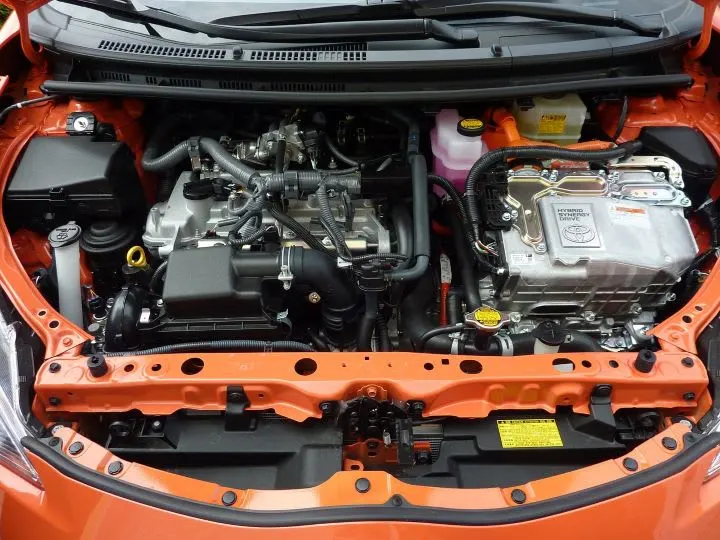
Stellantis sells used electric-vehicle batteries to third parties, increasing the volume of the transfers by four times last year, among other parts it recycles.
Pixabay-Photoman
Jeep maker Stellantis is increasing its vehicle recycling capabilities with a third dismantling center.
The multinational automaker, with a North American headquarters in Detroit, didn’t name the location of the new facility.
It already has vehicle processing centers in Turin, Italy, which it opened in 2024, and in São Paulo, Brazil, which started operating in August.
Many automakers have been forging programs to recycle vehicles to reuse their parts, including Stellantis and Toyota. Stellantis is using its facilities to recover functional parts to be reused and to recycle those that can’t.
The automaker, for instance, takes engines from dismantled vehicles at the Turin center and supplies them to company Soremo, which uses the aluminum to manufacture ingot molds for making new engines, Stellantis said.
The company also sells used electric-vehicle batteries to third parties, increasing the volume of the transfers by four times last year as its overall circular parts business experienced 51% growth, Stellantis said.
The after-market parts market is growing, largely due to longer vehicle lifespans, the automaker pointed out.
Originally posted on F&I and Showroom
More Product & Technology

Set Yourself Apart
Product providers can follow the lead of industry cohorts in the practice of leveraging their brands through private labeling, pumping new energy into their platforms to stand out from competitors.
Read More →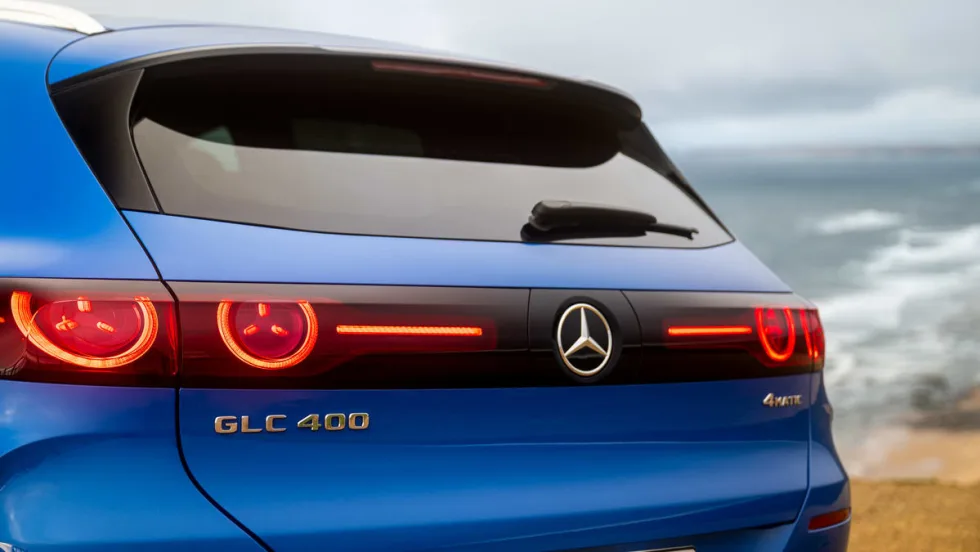
EVs Excel at Longevity
Research finds that after a certain mileage point, they outlast gas and diesel vehicles despite being driven more.
Read More →
Integrating AI Into Your Admin System
It’s important for finance-and insurance administrators to build the technology into their existing systems instead of bolting it on.
Read More →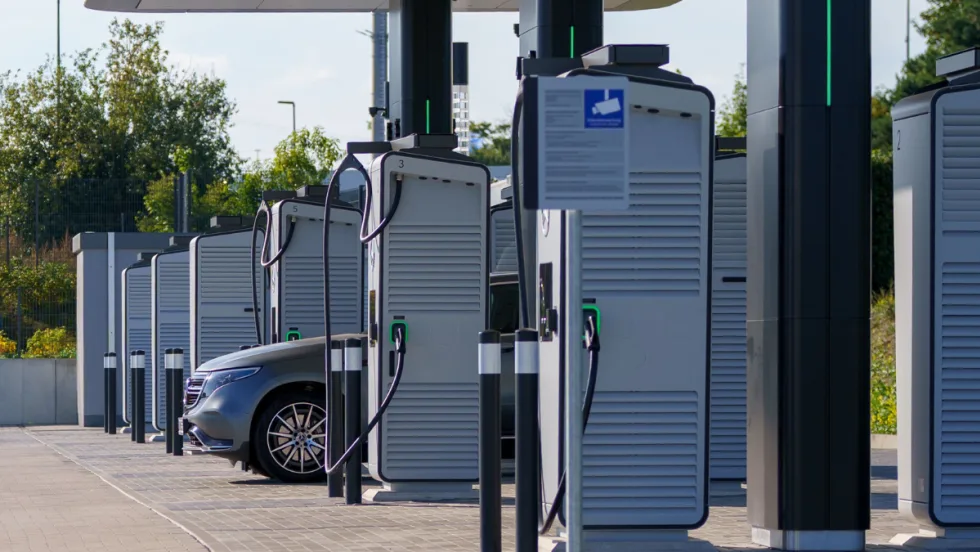
Public EV Charging Improves
The infrastructure buildout in the U.S. is providing more availability and safety at a better cost, according to the latest EV experience study by JD Power.
Read More →
AI in the Dealership
A Cox Automotive poll shows most dealers use it, but only some have found the smartest ways to adapt the surging technological sensation.
Read More →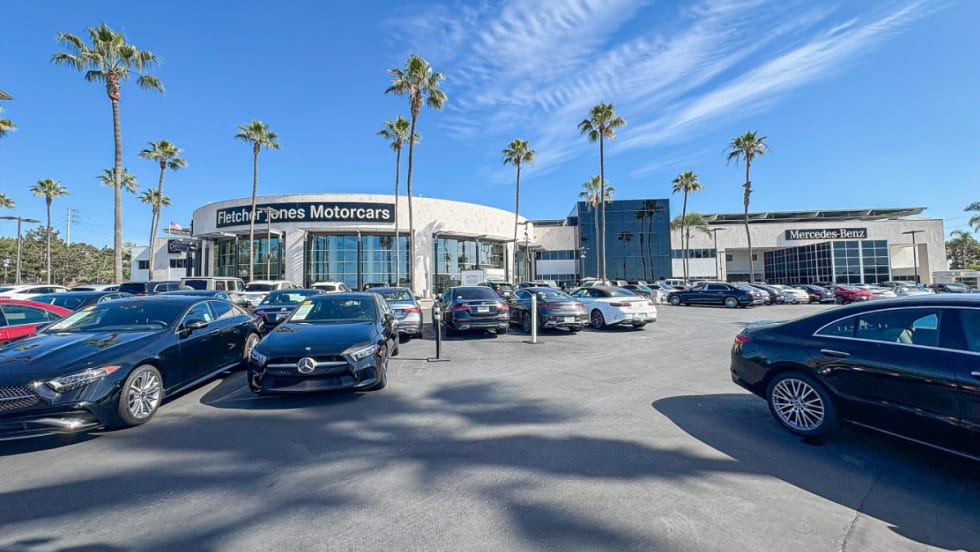
AAA Honors Service and Repair Facilities
Three automotive dealerships made AAA's Service Providers of Excellence and Best in Repair list this year.
Read More →
EFG Launches Product Admin Platform
The company says the offering is designed to empower administrators, service contract providers, and product marketers to expand automotive and power-sports capabilities.
Read More →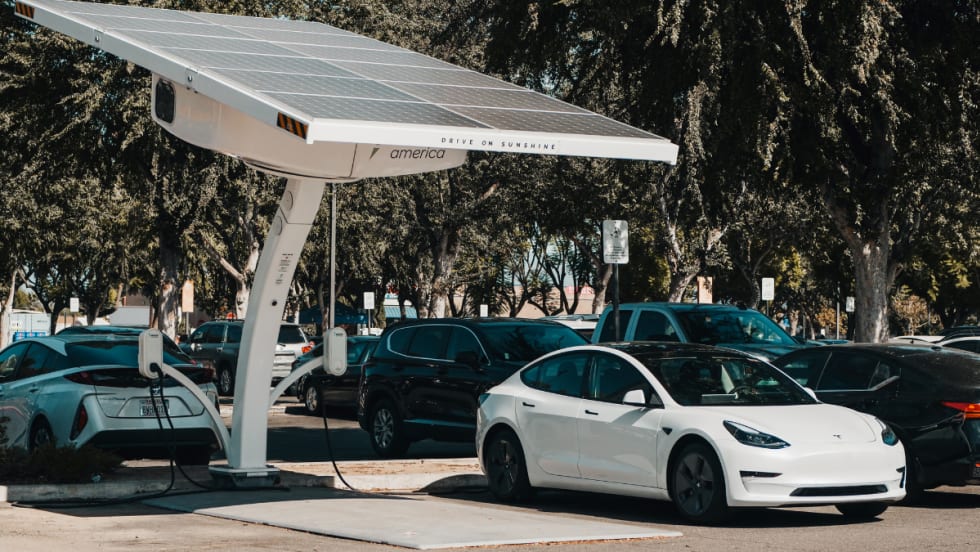
Optimized Charging Could Reduce Costs
According to an Alliance for Automotive Innovation analysis, optimized EV charging could cut costs for drivers and improve grid infrastructure - potential adoption incentives.
Read More →
From Inspection to Impact
Data, video and artificial intelligence are driving service performance today, when inspection performance is closely tied to key business outcomes.
Read More →
Car Karaoke Gets Official Platform
The in-vehicle karaoke and sing-along platform by Samsung arm is meant to add traveling enjoyment safely in technology that automakers can tailor to their specific needs.
Read More →