


Agents, Dealers and Underwriters – Identifying Roles in Loss Control


Agents, Dealers and Underwriters – Identifying Roles in Loss Control
Who do agents represent and what are agent’s responsibilities? Let’s start out with the definition of agent. Meriam Webster defines agent as “a noun; 1. a person who does business for another person; 2. a person who acts on behalf of another; 3. a person who tries to get secret information about another country, government, etc.; 4. a person or thing that causes something to happen.”
Wiki defines it similarly: “An agent is one who acts for, or in the place of, another, by authority from him; one entrusted with the business of another.”
Ok, so who does the agent represent? Let’s forget the secret agent (although in some cases agents, dealers and underwriters sure act like one). Does the agent represent the dealer or the underwriter? The legal consensus would probably say the underwriter, as most agents are commission and not fee based.
This is an interesting discussion that could continue in or out of a court of law. There is one area, however, that the agent should be continually working on that is in the interest of all three parties here – the underwriter, the dealer, and the agent himself. That area is loss control. Loss control benefits all three parties whether or not reinsurance is involved.
In almost 29 years as an agent and TPA, I frequently thought how much easier it would have been if we never had to change carriers. We were never canceled by a carrier due to losses, yet carriers frequently exited the business due to losses by other agents, their own ineptitude in controlling losses, or dealers taking advantage of them. As the company in the middle, it is up to the agent to act on behalf of all three parties.
The first step falls on the agent. When a new account is kicked off, time must be spent with the new dealer and all pertinent managers to explain the program and properly set expectations. Don’t be the agent who oversells the program or turns a blind eye to possible red flags within a dealership. All products have their own potential problems, but let’s concentrate on the most complicated one – Vehicle Service Contracts (VSCs). Some of the items that need be addressed are:
The VSC is not there to recondition used cars. All used cars still need to be inspected and any problems should be repaired prior to delivery. Early claims will be given extra scrutiny. I once had a volume dealer with high loss ratios tell me that they didn’t have a large enough facility to inspect their cars, so they delivered them with no inspection. If a customer complained, they repaired the car under the VSC or paid for it themselves. We walked out and told the carrier to cancel them. Another agent signed them and the underwriter suffered seven figure losses until they figured out what was happening.
The service drive personnel should be told not to sell multiple components on parts that are still functioning, knowing that the underwriter will not inspect. If a component is not functioning, all good underwriters will pay the claim, but higher than normal numbers of multiple component claims means that the service personnel have found a way to pad their pay.
The parameters of eligibility for sale must be explained in great detail. How often do we see a VSC sold on an ineligible vehicle? The ineligibility can be due to age, mileage, or a component such as a lift kit. In the case of a field issued contract, the underwriter is ultimately responsible, but they normally have the right to move against the dealer for reimbursement.
The list goes on and on, but you all know the drill. The next responsibility lies with the underwriter. I have often said that if the dealer and agent have not been informed of losses or a potential problem, then one doesn’t exist. It is unconscionable when an agent asks for in-depth and current loss ratio information, does not receive it, and then gets a phone call informing him that the dealers rates need to increase or the dealer needs to be canceled. This is treating the symptoms and not the cause. With proper reporting, agents can look for the following to better analyze the loss ratios:
Early claims. Are they the result of trade-ins or auction cars?
Multiple claims (sometimes you need to drill down to individual service writers).
Repairs done at a different repair facility. We noted a certain Japanese import dealership sold a significant amount of high line European cars. Because they couldn’t repair the vehicles in-house, they were at the mercy of other repair facilities.
Shock Losses. Sometimes a loss ratio can be skewed due to a large early loss that occurs prior to the business being mature. We always used the rule of thumb that you needed approximately $25,000 in earned premium before you have a true picture of the earnings and loss ratios of a given block of business. However, this benchmark needs to be looked at in the context of volume. If the dealer is only producing one or two contracts per month, it is very difficult to earn your way out of a bad loss ratio.
The list goes on and on but without current in-depth reporting none of this is possible. It is critical for the agent to insist on this from their underwriter. There should also be a periodic verbal review between agent and underwriter. Quarterly is usually sufficient, as changes that are implemented will take at least this long to have a noticeable effect.
The final responsibility falls on dealers themselves. In the worst-case scenario, a dealer cannot be rehabilitated and will refuse to work with the agent and underwriter. I have found this to be an extremely rare case, but it does exist. When the agent reviews the loss ratios, it needs to be done at the highest level of management possible in the dealership. Usually this is the dealer principal, but occasionally there is an operating general manager handling day-to-day operations. Most dealers wish to maintain a good relationship with their carriers and do not want to make changes forced on them by poor underwriting results. The dealer needs to reinforce the changes and recommendations made by the agent and underwriter. Without their strong support the case for rehabilitation is hopeless.
I have benefitted from interaction with many fine underwriters and their loss control departments. I have also had the opportunity to work with dealer principals and their management personnel to improve results. Without this cooperation from all parties, we could not have achieved the results that we did. My thanks to all.
In a future article I will address the difference in loss control between reinsurance positions and walkaway business. This becomes even more complex and interesting.
More Industry

Achromatic Autos
The shades that dominate the U.S. car market don’t call attention to themselves, though grayscale may have plateaued after a 30-year upswing, research shows.
Read More →
Used-Vehicle Affordability Worsens
Listing prices in August defied seasonal trends, rising above $27,000 for the second time this year.
Read More →
First-Half Dealership Deals Up
Buy-sell activity shows that acquirers are looking for value and scale as many retailers seek to leave an increasingly competitive and complex market, Kerrigan Advisors reports.
Read More →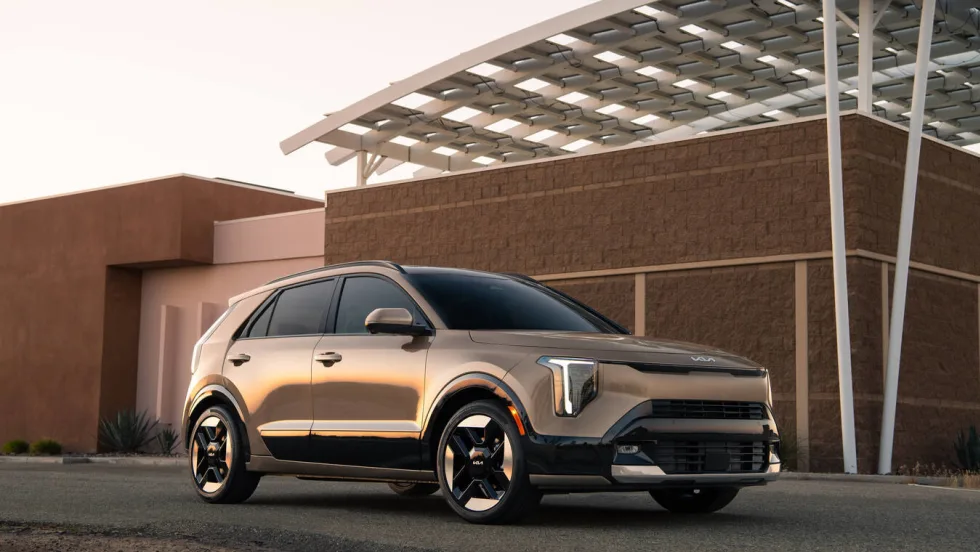
Kia Closes Out Summer With a Bang
Its U.S. subsidiary broke multiple records in August, in part due to a surge of demand for hybrids models.
Read More →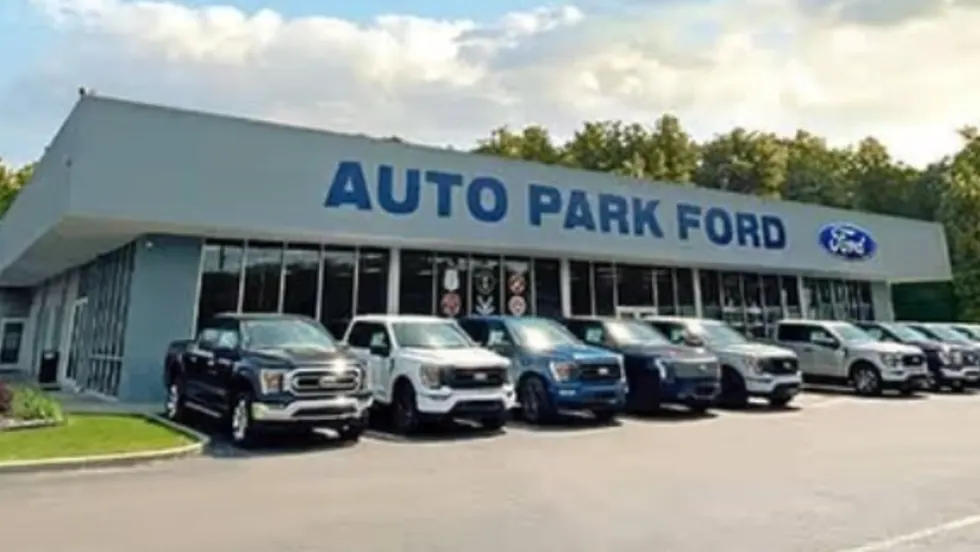
Indiana Dealership Changes Hands
A 30-year-old Ford dealership in Indiana has a new owner and will soon be undergoing renovations to meet manufacturer requirements.
Read More →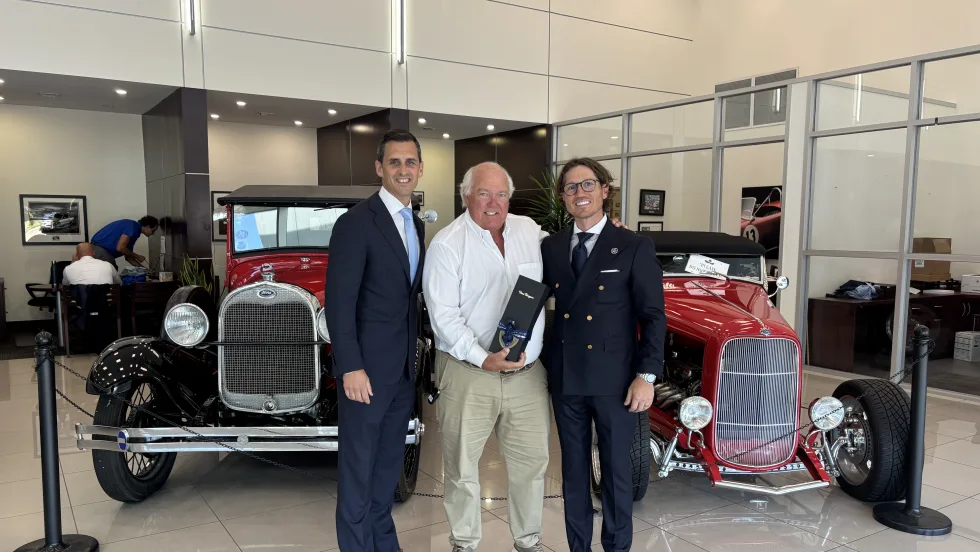
Texas Dealership No Longer in the Family
The Ford store, a longtime cornerstone of the Houston market, is now part of one of the fastest-growing U.S. auto groups.
Read More →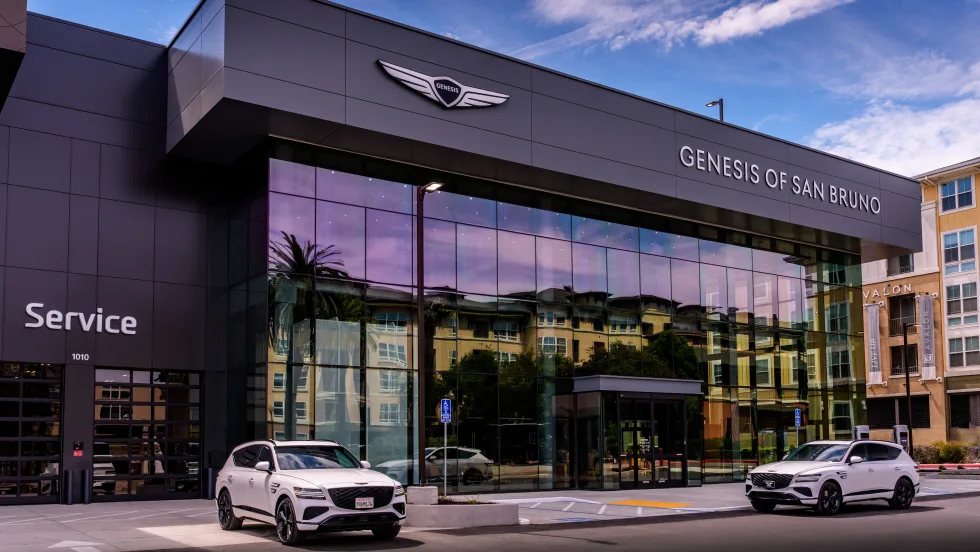
Genesis Grows California Presence
The Cardinale Automotive Group opened its third Genesis rooftop in the Golden State, Genesis of San Bruno, a stand-alone dealership serving the San Francisco Bay Area.
Read More →
August Auto Sales a Mixed Bag
An early forecast shows strong business despite consumer hurdles, and hybrids are a big piece of their affordability coping strategy.
Read More →
EV Market Humming Along
July sales show steady growth as the segment stabilizes from last year’s artificial surge following pullback of federal support.
Read More →
Auto Loan Delinquency Rates Stabilize
Auto loans are a main driver of nonmortgage consumer debt, but delinquency rates stabilized in the second quarter across all credit risk tiers.
Read More →