


Can Buying a Car Be as Easy as Ordering a Pizza?
The rocky road to a frictionless online car-buying experience.
The rocky road to a frictionless online car-buying experience.
IMAGE: Getty Images
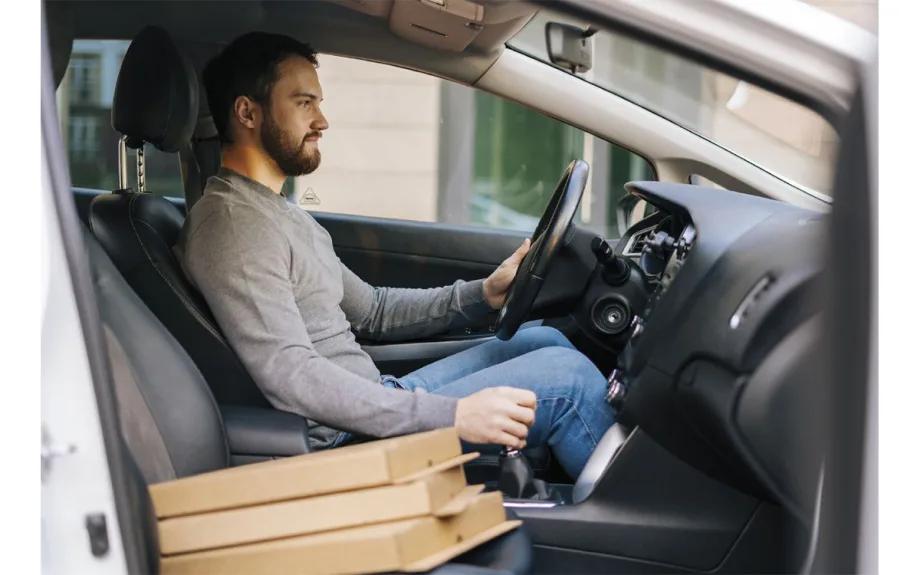
“We’re determined to make buying a car as easy as ordering a pizza,” stated Vroom, the U.S.-based automotive e-commerce business, back in 2016.
It’s a noble ambition, but even Vroom — who sold more than 18,000 vehicles in the second quarter of 2021, up 172% year over year — would admit that their customer experience is not yet as frictionless as it needs to be in today’s market.
Buying a car is a complex business with multiple considerations and dependencies. Potential customers are now demanding a far more frictionless, seamless experience when purchasing a vehicle — indeed, research by Capgemini shows that 64% of car buyers would prefer to conduct the entire transaction online, up from 39% pre-Covid.
But, if a disruptor like Vroom is still far from delivering a frictionless customer experience, what does that mean for longer-standing automotive businesses such as the OEMs and dealers?
The digital customer experience has rapidly moved up the agenda in automotive boardrooms, but with swelling model ranges and increasing personalization, customers are finding it harder to differentiate between brands when behind the wheel. Therefore, using digital to understand, improve, and measure customer experience to create a point of difference for manufacturers has never been more important.
Using Digital Tools
There are several digital tools that have been introduced more quickly as a result of the global pandemic. They have impacted the way in which customers can interact with OEMs and dealers, as well as helping meet the goal of a seamless customer experience.
“Simple things like making reservations, down payments, or even things like video live chat and a virtual walk around of the car. We are doing it, and the retailers also are having to take a more omnichannel approach for customers.” — Christian Loeer, marketing director, JLR Germany
Hyundai introduced a live chat function last year and have been using it to bring customers into showrooms virtually through conversations, work through configurations, and even carry out live walk-arounds.
Rolls-Royce has taken things a step further by organizing personalized Zoom calls with members of the senior management team for key customers as part of their tailored offering.
Augmented reality (AR) and virtual reality (VR) are both helping to enhance the experience — and perhaps start to remove some of the need for real-world interaction — on the path to purchase. Mazda, for example, employed AR and VR to enhance the launch of its CX-30. Ford, meanwhile, introduced VR car configuration, and Skoda’s AR app allows you to see what your potential new car would look like. Nissan is also offering a VR experience to get under the skin of the X-Trail, and Volvo has even introduced mixed reality technology to create the experience of, for example, a deer jumping out in front of you on a country road, which could really up the experience of a test drive.
Connecting the Data
Data is the lifeblood of the automotive industry, both in terms of customer data and car data.
“Data is the new oil, it’s essential to our electric future and enables this always on relationship with our customers.” — Alex Perdy, Ford’s head of business operations and connectivity
Automotive customer data presents a real headache for OEMs, and many struggle to know exactly who their customers are, which is a massive barrier to being able to communicate with them effectively and deliver a better experience. The data is fragmented, has multiple owners and is being managed using a variety of platforms on both OEM and dealer side
Nearly all parties are accepting data in different formats, using different tools and even between different OEM departments data isn’t shared. And with dealers owning the final sale, it adds even more complexity.
If you can connect the three layers — OEM leads, dealer leads, and dealer enquiries — then that would be a huge step. Leads would be combined, worked and followed up in the right way, any progress tracked, and then customer experience optimization can begin.
Turning these three tiers into one ecosystem to create a fuller picture would enable an experience that is more aligned with other partners who are delivering parts of these journeys.
Selling Direct to Consumers
Automotive eCommerce is the topic currently driving digital strategy for most OEMs. Some provide it already and most are working towards it, but there are clear barriers not least: price point, selecting finance, incorporating test drives, delivery, and parts exchange.
But the most important consideration in the ambition of selling direct to customers is the role dealers play. Dealers are at the heart of the automotive industry and provide the essential link with the customer within the car buying process.
Dealers still want the sale and, in some cases, need to be involved for handover. Therefore, they must figure out what part they will play, and they will need help to do that.
One potential route for OEMs to sell directly to customers is the agency sales model. In this construct, instead of dealers taking responsibility for the sale of the vehicles on their forecourts, they become agents who act on behalf of the OEMs, and take commission for doing so.
That means OEMs can create a more consistent pricing strategy across sales channels (no more haggling) and own the whole relationship with the customer. The dealers’ role becomes more akin to an expert consultant and fulfilment partner — adding value through their knowledge, as well as facilitating test drives and vehicle deliveries. This, more than anything, can clear the road to a seamless, car buying experience, where the dealers are part of a set of interconnected touchpoints that the customer can choose to activate at their convenience.
Volkswagen and Mercedes have already come out to say this is being considered and in the case of VW — it will be the way its new electric ID series is taken to market.
Ongoing Opportunities
There is no question that the rapid acceleration of digital tools, systems, and processes is enabling OEMs and dealers to enhance the experience of buying vehicles for their customers. That will only continue, with more and more friction being removed through the smart use of technology.
But over and above that, it requires imagination — a change in long-held norms for how the automotive sector operates. A mindset shift from a culture of “one and done” sales to a relationship based on continuous customer interactions. Rather than an obsession with whether a customer has bought a vehicle or not, it becomes a focus on customer lifecycle value.
That, of course, requires a relentless focus on the evolving demands of customers, and finding the sweet spot where that aligns with the needs of the OEM and dealers’ businesses. Or, to go back to our pizza, that perfect combination of crust and topping.
Matt Simpson is managing director of Candyspace, and Jake Sargent, a digital consultant at Candyspace.
More Product & Technology

Set Yourself Apart
Product providers can follow the lead of industry cohorts in the practice of leveraging their brands through private labeling, pumping new energy into their platforms to stand out from competitors.
Read More →
EVs Excel at Longevity
Research finds that after a certain mileage point, they outlast gas and diesel vehicles despite being driven more.
Read More →
Integrating AI Into Your Admin System
It’s important for finance-and insurance administrators to build the technology into their existing systems instead of bolting it on.
Read More →
Public EV Charging Improves
The infrastructure buildout in the U.S. is providing more availability and safety at a better cost, according to the latest EV experience study by JD Power.
Read More →
AI in the Dealership
A Cox Automotive poll shows most dealers use it, but only some have found the smartest ways to adapt the surging technological sensation.
Read More →
AAA Honors Service and Repair Facilities
Three automotive dealerships made AAA's Service Providers of Excellence and Best in Repair list this year.
Read More →
EFG Launches Product Admin Platform
The company says the offering is designed to empower administrators, service contract providers, and product marketers to expand automotive and power-sports capabilities.
Read More →
Optimized Charging Could Reduce Costs
According to an Alliance for Automotive Innovation analysis, optimized EV charging could cut costs for drivers and improve grid infrastructure - potential adoption incentives.
Read More →
From Inspection to Impact
Data, video and artificial intelligence are driving service performance today, when inspection performance is closely tied to key business outcomes.
Read More →
Car Karaoke Gets Official Platform
The in-vehicle karaoke and sing-along platform by Samsung arm is meant to add traveling enjoyment safely in technology that automakers can tailor to their specific needs.
Read More →