


COVID-19 Changes Everything – Except How Americans Will Buy Cars
If the COVID-19 crisis has taught dealers anything, it is that they have a fiduciary duty to their shareholders, employees, and customers, to remain well capitalized in order to survive the next crisis. Stay the course, tweak where necessary, but don’t be so quick to fix what isn’t broken, despite what the disruptors might urge.

If the COVID-19 crisis has taught dealers anything, it is that they have a fiduciary duty to their shareholders, employees, and customers, to remain well capitalized in order to survive the next crisis. Stay the course, tweak where necessary, but don’t be so quick to fix what isn’t broken, despite what the disruptors might urge.
Image by KZENON via GettyImages.com
Before I became a car dealer lawyer, I worked summers at my family’s Buick dealerships on Long Island and in Rye, New York, and East Rutherford, New Jersey. Starting as a lot boy, then working as a service writer, I graduated to auto salesperson before I began law school. My father and uncle encouraged me to become a lawyer for the industry, purportedly because very few attorneys specialized in representing dealers. Perhaps they were giving me good career advice, or maybe they just wanted to keep me far away from the family business. I’ll never know.
My legal advice is to stay the course, tweak where necessary, but don’t be so quick to fix what isn’t broken, despite what the disruptors might urge.
So, I was relegated to learning the business from beyond the family dealerships by representing dealers across Long Island, throughout New York, and, eventually, over the ensuing 35 years, in the other 49 states. Learning the fabric and trends of the business became just as important as knowing the law.
To be sure, the auto retail sector has changed over the years. Occasionally, I will run into dealers that I represented in the ’80s and ’90s who are either retired or working as a sales manager or consultant. It’s never a quick hello, as we lament the changes, new brands, evolving ownership, and technological advances. However, the common refrain is that the franchised dealership model is everlastingly resilient despite all of the frontal attacks, some intentional or cyclical, and others, like COVID-19, unplanned.
There are not many dealer principals active today that operated dealerships through the Arab oil embargo of the early ’70s. Gas was rationed, and most vehicles got eight miles per gallon. Showrooms remained empty for months. Dealers survived because the population ultimately needed new cars.
In response to the oil crisis, Honda, Datsun, and Toyota came to the U.S. with fuel-efficient vehicles. The industry experts predicted the demise of domestic dealerships, as consumers would only buy subcompact cars. The domestic manufacturers pivoted, and while their market share diminished, many of those same domestic dealerships that were handed down or sold, still exist today.
The next unfounded prediction came with the advent of the internet. According to the pundits, dealerships would become extinct as the internet replaced dealers. The reality was that buyers still wanted to test-drive vehicles and see the colors and options firsthand. The internet supplanted the due diligence process, but fell short of replacing dealers.
You may recall the radical transformation that was forecasted to finally eradicate the private capital dealer: factory-owned stores. There was the Ford Collection experiment. It flopped largely because the OEMs discovered too late that knowledge of a local market is best left to local dealers.
Then, GM concluded that the buying public would prefer fixed-price selling. Dealers would need to adapt to the Saturn business model or fail. They didn’t adapt and they didn’t fail. Saturn did.
In 2009, I found myself in the role of co-lead counsel in the Chrysler bankruptcy proceedings, representing many of the 789 rejected dealers. I cross-examined every self-proclaimed expert from Harvard and Yale who posited how increasingly fewer dealers were necessary to save Chrysler. Fast-forward 11 years, and those theories have been proven wrong, as more than 400 dealers have been added to Chrysler’s network.
The next death knell, according to the disrupters, was the factory-direct-selling model of Tesla, which would surely eviscerate the franchise system. These industry outsiders mused that the general public had no use for local dealers. How wrong they were. Recently, Tesla vacillated over whether to shutter all of its “galleries.” Moreover, since Tesla came on the scene, the number of traditional franchised dealerships actually increased.
More recently, electric and autonomous vehicles, as well as ride sharing, have come to the forefront, only to be relegated to the background as consumers continue to stay the course within the traditional culture of two cars in every driveway (both with combustion engines, thank you very much). It is still early, but electric vehicles don’t seem to have that “vroom” quality, that appeals to consumers.
By now, you can guess where this is going. Franchised dealers have successfully emerged from game-changing events and crises, and the business model has remained substantially intact, the predictions of industry mavericks notwithstanding.
Of course, no one predicted or advocated for the COVID-19 pandemic. However, the firestorm rages over how it will revolutionize selling. Dealers are being deluged with marketing advice and solicitations from vendors, along with invitations to webinars that promote and facilitate remote digital selling. Virtual test drives and home deliveries are the flavor of the month. Adapt to the “new norm” or become extinct, they caution. I wonder if these are the same armchair experts who warned franchised dealers about subcompact cars, the internet, factory-owned stores, fixed-price selling, reduced dealer footprint, factory-direct selling, electric vehicles, and ride sharing.
After COVID-19 ends and becomes a horrific memory, life will go on. In my opinion, complete remote-selling will not be embraced by the majority of the public. To the contrary, I predict “end-to-end” online selling will be utilized by only 5-10% of consumers, and even less if talented salespeople convert these customers to hybrid online buyers. It is impersonal in an interpersonal world. The purchase of the family vehicle does not lend itself entirely to remote interaction. The process is not that sterile. The human senses come into play with respect to test drives, color choices, comfort, and the need to understand financial options. Innovators and vendors will resist the notion that customers will continue to prefer to visit the dealership and become comfortable with the product, along with the people selling and servicing the product. Relationships matter. That is not to say the process doesn’t need to be materially streamlined. That is a topic unto itself.
Maybe it’s all as simple as customers not wanting to part with their money and sign on the dotted line until they sit in their new vehicle, test drive it, and on delivery, smell it, feel it, and check for scratches. Or perhaps it’s as wholesome as customers clinging to the multi-generational tradition of visiting the dealership to select the next family vehicle.
Industry pundits, along with vendors seeking relevance, blindly envision a world where dealers will double or triple their workforce and hire “runners,” whose sole job is to drop off and pick up vehicles at consumers’ homes for test-drives, appraisals, deliveries, and service. Such an endeavor would require several hundred round trips a day. When pressed over the absurdity and impracticability of such a model, they recommend that dealers leave vehicles overnight for consumers to test drive to lessen the strain. However, this will only add further risk, cost, and exposure to those dealers.
It is up to dealers to maintain control of their economic destinies. Unrestrained legal liability and added insurance and payroll costs solely to accede to the remote selling model beyond this pandemic will preclude any notion of sustained profitability. That is, unless consumers are willing to suddenly pay list price for such white-glove service. If the COVID-19 crisis has taught dealers anything, it is that they have a fiduciary duty to their shareholders, employees and customers, to always remain well capitalized in order to survive the next crisis for the good of all constituencies. In my 35 years of representing dealers, the clients that survived the longest were the ones that resisted the temptation to be all things to all people. Besides, customers have a newfound appreciation for getting out of the house. Staying home and buying online has worn out its welcome during COVID-19.
Every few years on the way back from JFK Airport, I take a short detour and pass by the dealership that my father and uncle owned. I pause in front of the showroom, unnoticed, and observe salespeople and customers transacting business largely the same way it was done when I worked there 40 years ago. My legal advice is to stay the course, tweak where necessary, but don’t be so quick to fix what isn’t broken, despite what the disruptors might urge.
Legal Disclaimer: This article does not constitute legal advice. You should consult an attorney for any matters discussed herein.
Bellavia Blatt, PC is a nationally recognized authority in the field of automotive franchise law. Leonard Bellavia, the firm’s founding partner, is a regular speaker at national automotive trade events and has served as chairperson of the Litigation Section of the National Association of Dealer Counsel and member of its board of directors.
Originally posted on F&I and Showroom
More Industry
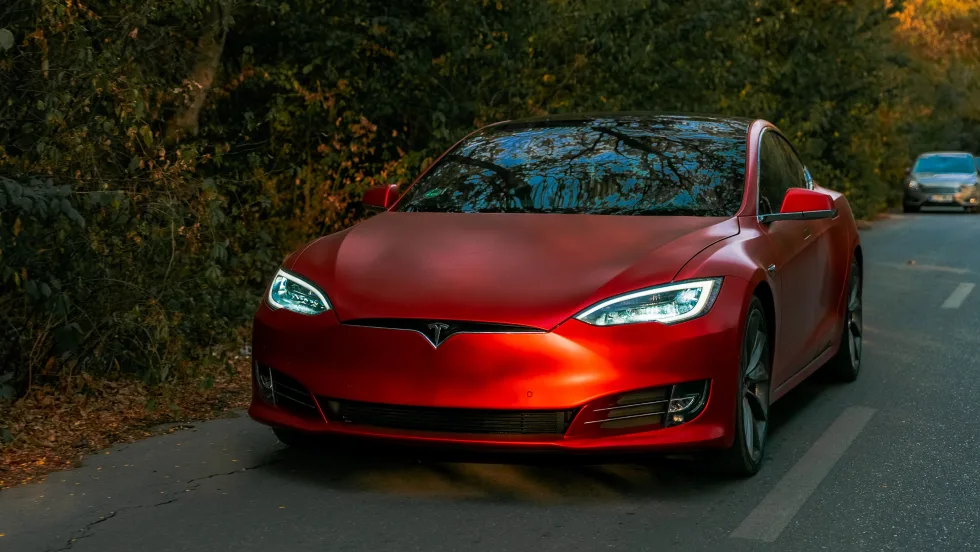
The Powertrain Shift
Electric-vehicle owners are backpedaling, according to new data, with product availability driving many to shift back to gas-powered engines.
Read More →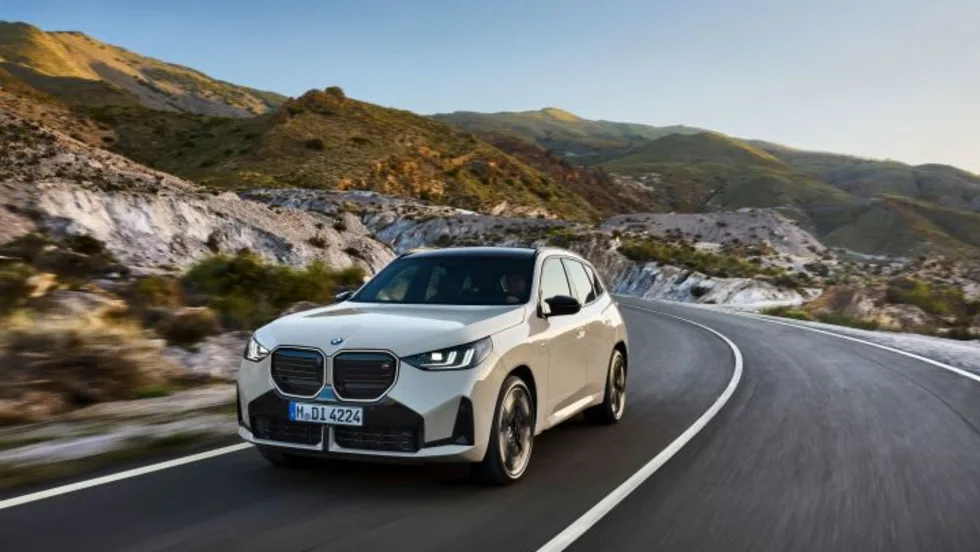
Achromatic Autos
The shades that dominate the U.S. car market don’t call attention to themselves, though grayscale may have plateaued after a 30-year upswing, research shows.
Read More →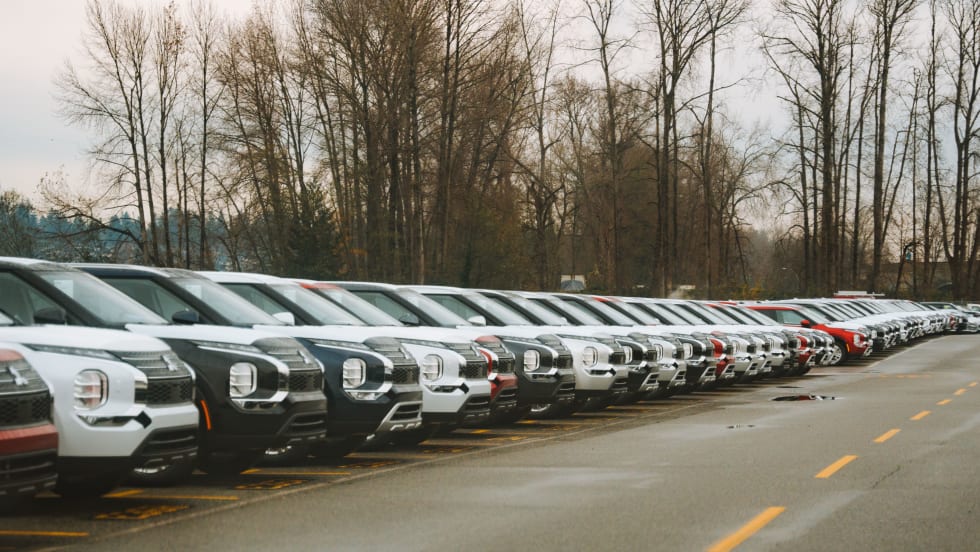
Used-Vehicle Affordability Worsens
Listing prices in August defied seasonal trends, rising above $27,000 for the second time this year.
Read More →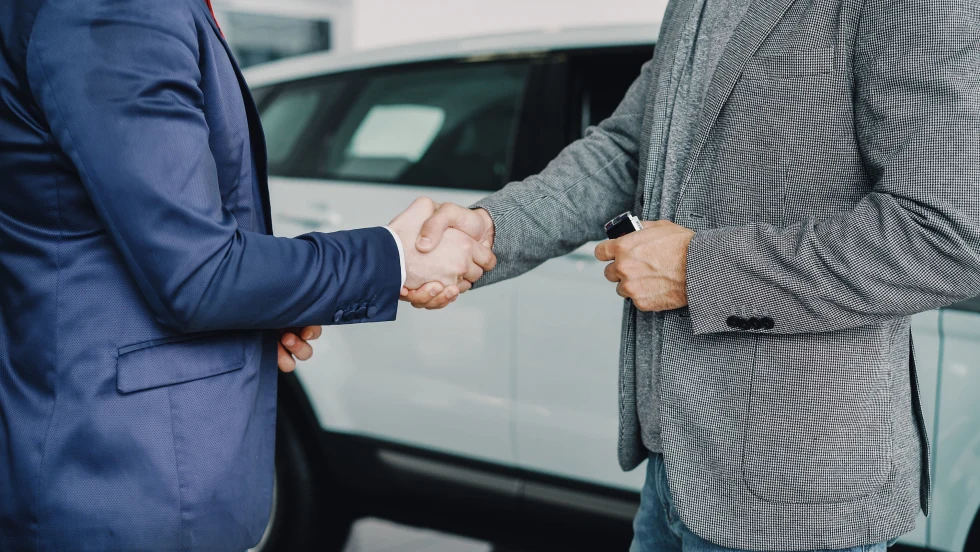
First-Half Dealership Deals Up
Buy-sell activity shows that acquirers are looking for value and scale as many retailers seek to leave an increasingly competitive and complex market, Kerrigan Advisors reports.
Read More →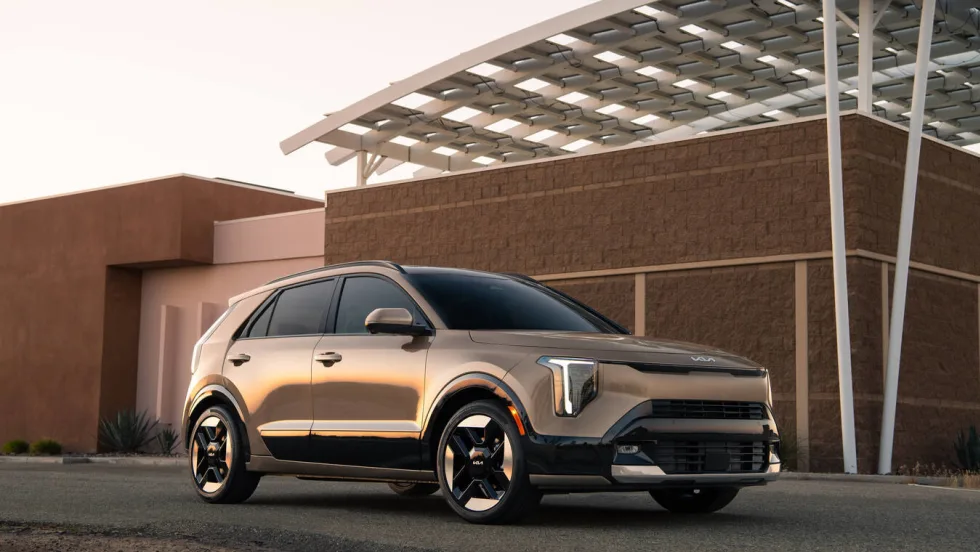
Kia Closes Out Summer With a Bang
Its U.S. subsidiary broke multiple records in August, in part due to a surge of demand for hybrids models.
Read More →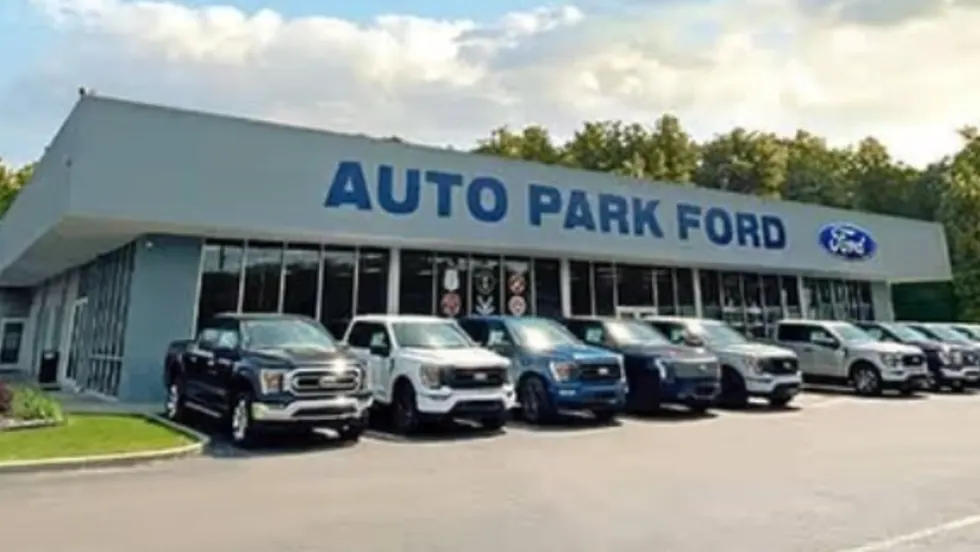
Indiana Dealership Changes Hands
A 30-year-old Ford dealership in Indiana has a new owner and will soon be undergoing renovations to meet manufacturer requirements.
Read More →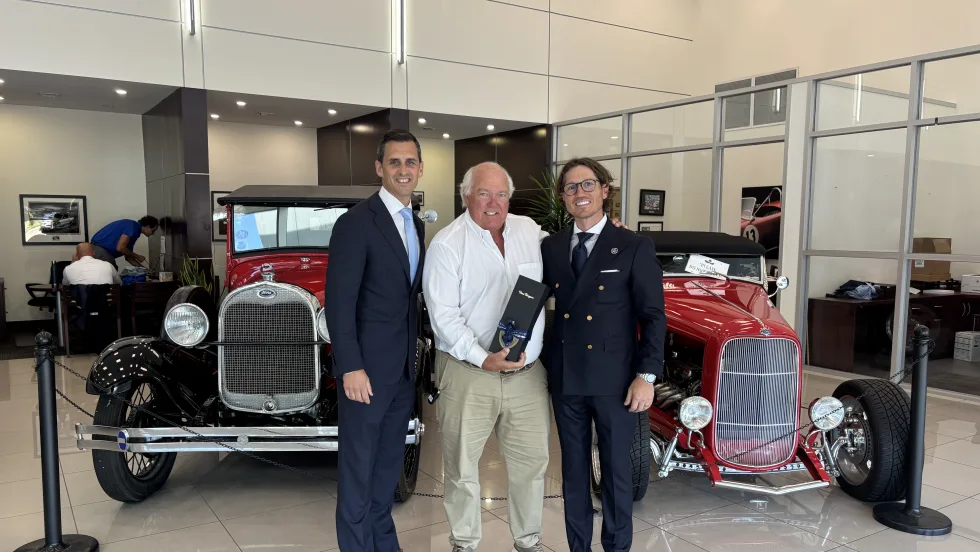
Texas Dealership No Longer in the Family
The Ford store, a longtime cornerstone of the Houston market, is now part of one of the fastest-growing U.S. auto groups.
Read More →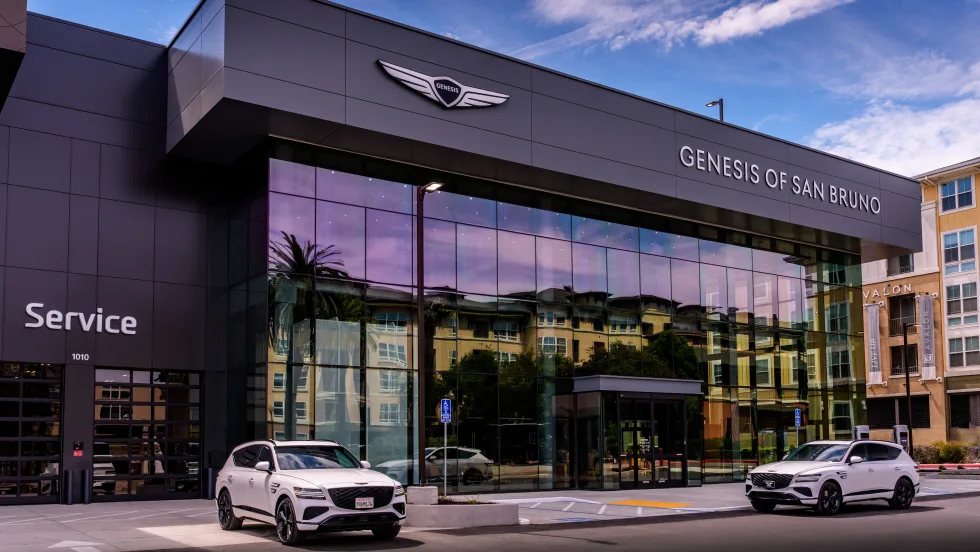
Genesis Grows California Presence
The Cardinale Automotive Group opened its third Genesis rooftop in the Golden State, Genesis of San Bruno, a stand-alone dealership serving the San Francisco Bay Area.
Read More →
August Auto Sales a Mixed Bag
An early forecast shows strong business despite consumer hurdles, and hybrids are a big piece of their affordability coping strategy.
Read More →
EV Market Humming Along
July sales show steady growth as the segment stabilizes from last year’s artificial surge following pullback of federal support.
Read More →