


Auto Affordability in Context
Cox Automotive points out the complex circumstances that have led to eye-popping vehicle prices.

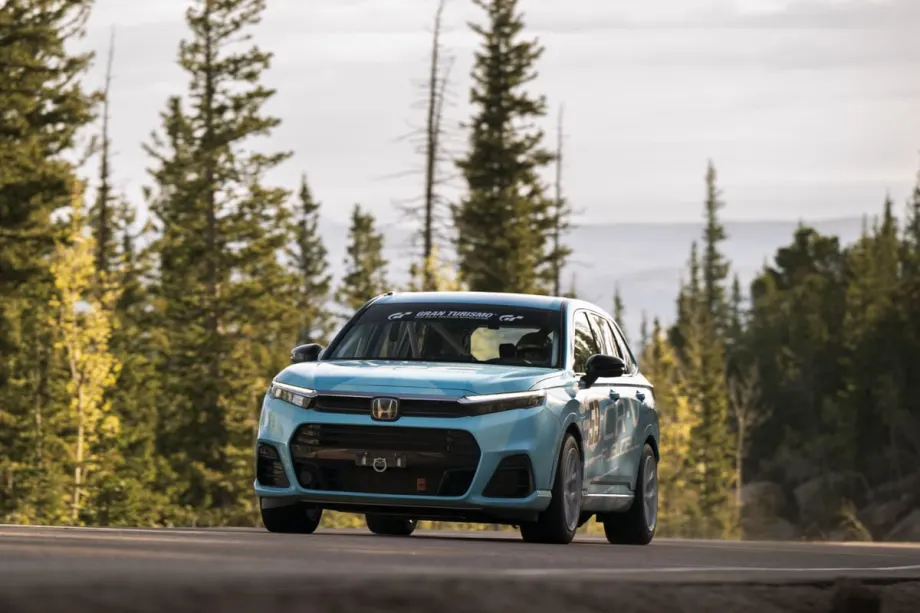
The CR-V's average price has jumped 33% in 10 years, but Cox said much of that increase is a wash when adjusted for inflation.
Honda
Automotive consumers aren’t delusional; car prices have gotten higher in recent years. But the real culprit is overall inflation, a Cox Automotive analyst says.
Using as an example the Honda CR-V, Executive Analyst Erin Keating says the popular compact crossover SUV went for an average transaction price of $28,000 10 years ago and now sells for approximately $39,000.
But adjusted for inflation, she says the 33% increase is almost a wash. Plus, the CR-V now comes with many more desirable features than its 2016 version, including driver-assistance technology and wireless smartphone integration, some of the things many consumers have come to expect.
Consumers have been facing rising prices everywhere they turn, including car maintenance and repair costs, auto insurance premium hikes and higher gas prices, and that’s just for their vehicles, let alone almost every other product and service category as costs rise faster than incomes for many.
In addition, when consumer choose vehicles above brand lines’ base models when the price difference is relatively narrow, those choices gradually change the mix of vehicles automakers offer and “lift the industry average,” Keating pointed out.
Referring to ATPs hovering around $50,000 for a good while now, Keating said,“ The headline number moves, but the underlying story is consumer choice … “The car is not the villain here.”
Keating didn’t mention pickup trucks in her analysis, but automakers gradually pumped up trucks’ size in recent years for the higher prices they bring, yet another wrinkle in the auto inflation story. The annual ATP gain for trucks in May was 2%, twice the industry average, to $66,288.
More Industry
Twin Cities Stores Sell
Minnesota-based Walser Automotive Group made what it called the most significant acquisition in its history with a three-rooftop deal in Minneapolis.
Read More →
U.S. Auto Sales Still Below Prepandemic Levels
Mobility Global industry observers don’t expect the market to return to the higher volumes that became routine before Covid but to stay well below its potential.
Read More →
The Powertrain Shift
Electric-vehicle owners are backpedaling, according to new data, with product availability driving many to shift back to gas-powered engines.
Read More →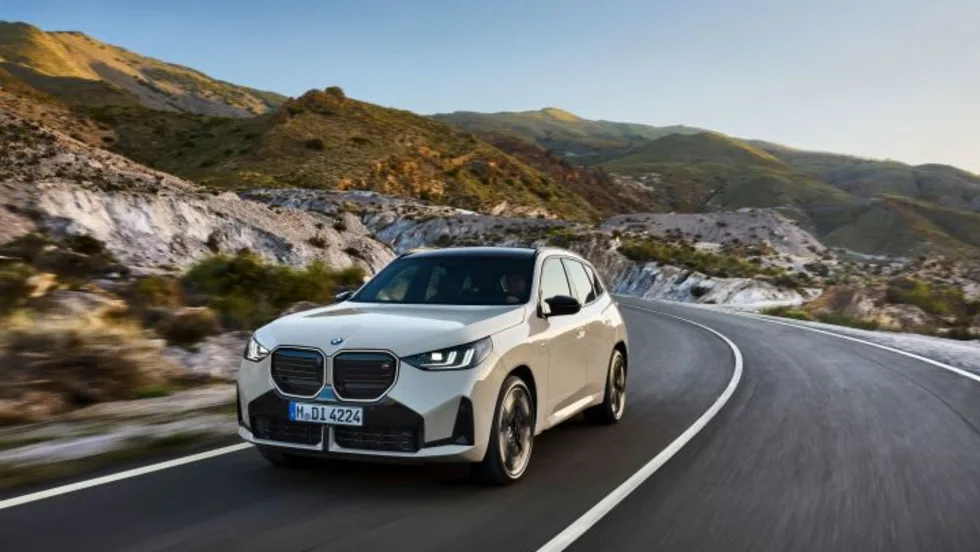
Achromatic Autos
The shades that dominate the U.S. car market don’t call attention to themselves, though grayscale may have plateaued after a 30-year upswing, research shows.
Read More →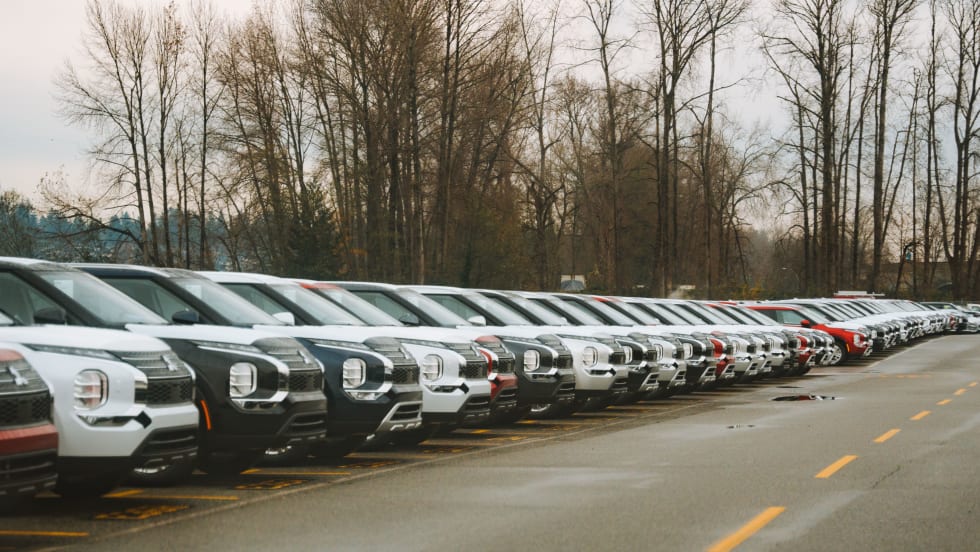
Used-Vehicle Affordability Worsens
Listing prices in August defied seasonal trends, rising above $27,000 for the second time this year.
Read More →
First-Half Dealership Deals Up
Buy-sell activity shows that acquirers are looking for value and scale as many retailers seek to leave an increasingly competitive and complex market, Kerrigan Advisors reports.
Read More →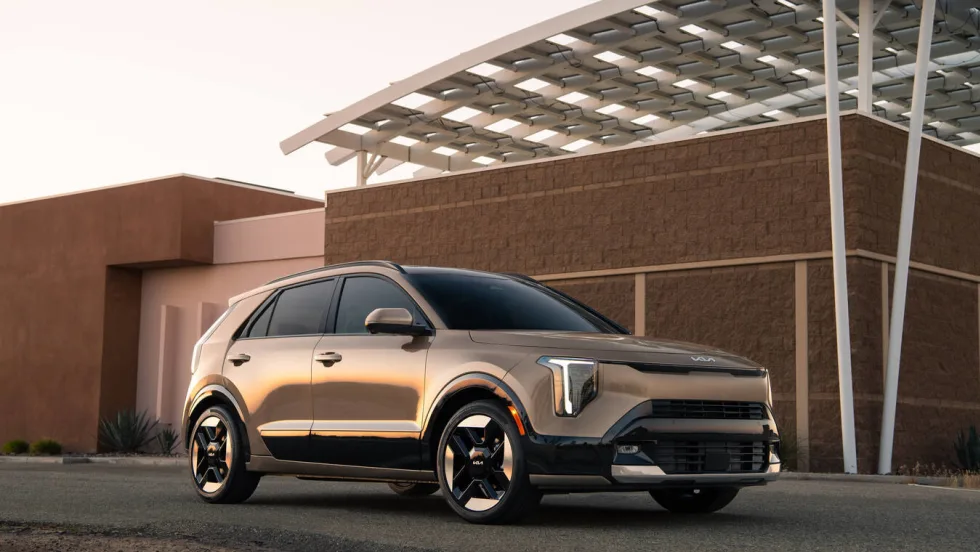
Kia Closes Out Summer With a Bang
Its U.S. subsidiary broke multiple records in August, in part due to a surge of demand for hybrids models.
Read More →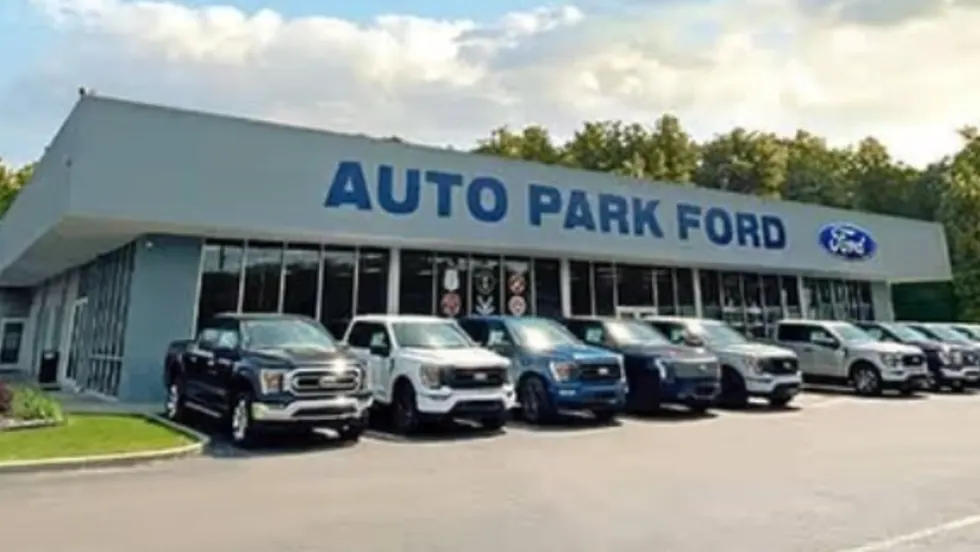
Indiana Dealership Changes Hands
A 30-year-old Ford dealership in Indiana has a new owner and will soon be undergoing renovations to meet manufacturer requirements.
Read More →
Texas Dealership No Longer in the Family
The Ford store, a longtime cornerstone of the Houston market, is now part of one of the fastest-growing U.S. auto groups.
Read More →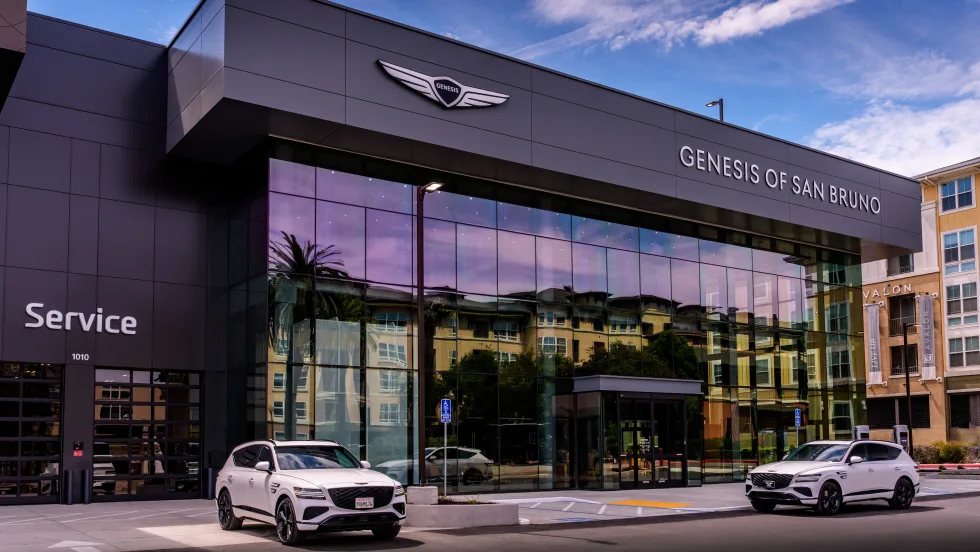
Genesis Grows California Presence
The Cardinale Automotive Group opened its third Genesis rooftop in the Golden State, Genesis of San Bruno, a stand-alone dealership serving the San Francisco Bay Area.
Read More →