


Don’t Be “That Guy”


Don’t Be “That Guy”
We’ve all heard the expression “Don’t be that guy,” but do you know what it means? In normal life, it means the buffoon who is completely unaware of the fact he is being a buffoon.
True story: I was in London one year on the Fourth of July, along with a bunch of other American expats. We thought we should celebrate the American Independence Day with a pub crawl, so crawl we did. Late in the evening, we were refused admittance to the Hard Rock Café because it was about one minute to closing time. The Yank at the front of the line loudly exclaimed, “You’ve got to let us in! We’re Americans!”
I somehow escaped that evening with most of my teeth. As for the Ugly American, apparently no one told him that demanding special privileges abroad because one is an American is tacky at best. He was that guy.
In the world of service contract administrators, that guy means something different: it is the fly-by-night service contract company that attracts bad press, plaintiff’s attorneys, and government investigators. In fact, the Federal Trade Commission has weighed in with its publication How to Steer Clear of Auto Warranty Scams.
That publication urges consumers to be skeptical of mail and phone calls warning that the warranty on the consumer’s car is about to expire. The companies behind the calls or mail may try to give the impression that they work for the manufacturer or dealership. Mailings can sound official and dire, with phrases like “Notice of Warranty Interruption” or “Final Notice for Warranty Extension” on the envelope in red ink.
What is being pitched, of course, is not a warranty at all, but a service contract. The consumer who picks up the phone or responds to the mailing is likely to be subjected to a high-pressure sales pitch, dripping with urgency. And if the consumer pulls the trigger and buys the service contract, he may discover the company selling it isn’t around when it comes time to claim benefits. Remember US Fidelis?
The FTC gives consumers concrete advice about how to avoid being scammed, which I paraphrase here:
If you receive mail or phone calls about “renewing” a vehicle’s warranty, be skeptical. The warranty may still be in force, or may have already expired. Check the owner’s manual first, or call the selling dealership to confirm actual coverage.
Beware of fast talkers! Most legitimate businesses allow a consumer time to make an informed decision.
Never give out personal, financial, or other sensitive information unless you are sure who you’re dealing with. There is no reason to give out your Social Security number or bank account numbers to buy a service contract. And letting such information out the door can expose the consumer to yet more fraud.
Be particularly skeptical of unsolicited sales calls that are pre-recorded, or if your phone number is on the National Do Not Call Registry. If your number is on the National Do Not Call Registry, you should only get calls from companies you’ve bought something from in the previous 18 months, asked for information from in the past three months, or if you have agreed to accept calls from the company the sales person works for.
To report a violation of the National Do Not Call Registry, or to register a number, visit www.DoNotCall.gov, or call 888.382.1222.
Why consider all this in such detail? Well, by reviewing what the FTC defines as suspect behavior and avoiding, an administrator can reduce its exposure to consumer complaints and government attention (not to mention those pesky plaintiff’s attorneys).
Put positively, advice on how to conduct direct-to-consumer business might look something like this:
If your company contacts consumers whose factory warranties are soon to expire, be sure your information is correct. Don’t assume, and don’t lie.
Do not employ fast talkers or high-pressure sales tactics! Truthfully explain features, benefits, coverage and costs. Provide written documentation before a sale is made.
Do not ask for any nonpublic personal information (“NPI”) that is not absolutely necessary for the transaction, and only when it becomes necessary for the transaction. In the first place, reputable companies don’t solicit such information unnecessarily. And even reputable companies shoulder a significant responsibility to safeguard such NPI. Generally, the less taken the better.
Follow the Telemarketing Sales Rule. That’s actually pretty involved, and may require a future article.
By avoiding the practices the FTC identifies as marking the unethical or criminal company and taking the opposite steps, your company can avoid being that guy.
More Industry

Charger Network Growth Slows
Despite a projected increase in public EV chargers in 2026, charging infrastructure remains a top concern for consumers as the gap between the most and least EV-friendly places remains substantial.
Read More →
Lenders, Consumers Take on More Auto Loan Risk
September records loosened credit access the most in over a decade as buyers took advantage of the conditions to afford trading, though loan applications fell.
Read More →
Next-Gen Hybrids in Sight
Dealerships can expect to see revamped hybrids from Honda next year as the company rolls out a new system and model lineup.
Read More →
Gem State Stores Change Hands
A larger auto group founded in the industry’s early years sold two franchises to a neighbor group that's on a growth spurt.
Read More →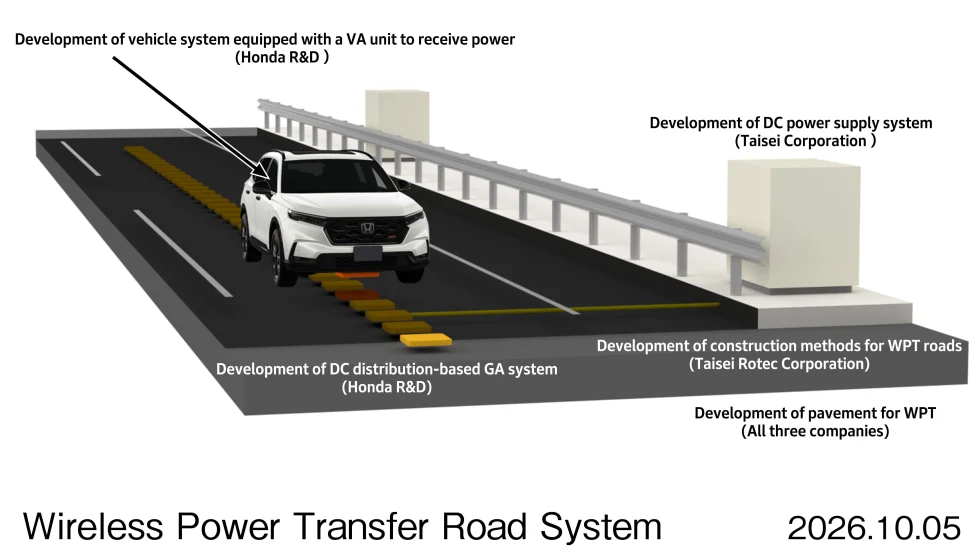
Charging In Motion
Honda has been researching wireless in-motion charging for electric vehicles since 2025, and new technology developments have put it a step closer to a final product.
Read More →
Twin Cities Stores Sell
Minnesota-based Walser Automotive Group made what it called the most significant acquisition in its history with a three-rooftop deal in Minneapolis.
Read More →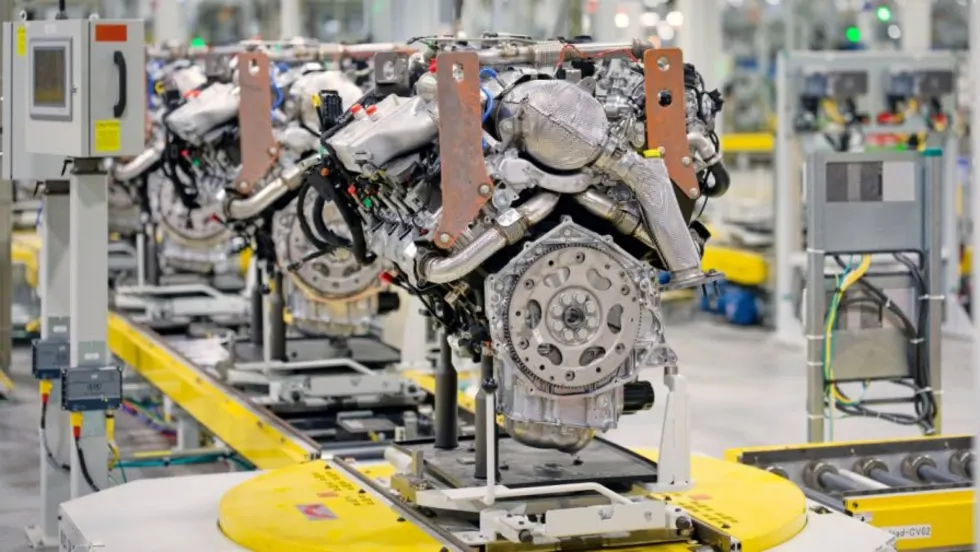
U.S. Auto Sales Still Below Prepandemic Levels
Mobility Global industry observers don’t expect the market to return to the higher volumes that became routine before Covid but to stay well below its potential.
Read More →
The Powertrain Shift
Electric-vehicle owners are backpedaling, according to new data, with product availability driving many to shift back to gas-powered engines.
Read More →
Achromatic Autos
The shades that dominate the U.S. car market don’t call attention to themselves, though grayscale may have plateaued after a 30-year upswing, research shows.
Read More →
Used-Vehicle Affordability Worsens
Listing prices in August defied seasonal trends, rising above $27,000 for the second time this year.
Read More →