


F&I: The Holy Grail of Digital Retailing
Digital retailing is quickly becoming a hot topic of every automotive conference, trade journal, and website. While digital retailing can mean different things to different companies, generally it is about the consumer engaging in an online experience in order to put a complete deal together and transact seamlessly at the dealership or, ultimately, wherever the consumer wants.


F&I: The Holy Grail of Digital Retailing
Digital retailing is quickly becoming a hot topic of every automotive conference, trade journal, and website. While digital retailing can mean different things to different companies, generally it is about the consumer engaging in an online experience in order to put a complete deal together and transact seamlessly at the dealership or, ultimately, wherever the consumer wants. Just as Monty Python and others have searched for the Biblical holy grail, many companies are on the quest to find the holy grail of digital retailing: F&I. The companies who crack the code of providing a great digital F&I experience for the consumer while still driving profits to the dealer, will be at the forefront of digital retailing.
Off to a Hot Start
There are many digital retailers who are going through the traditional “minimum viable product” (MVP) development cycle and are now evolving and adding new functionality to their consumer experience. In an MVP development approach, the website is developed with sufficient features to satisfy early adopters. The final, complete set of features is only designed and developed after considering feedback from the product’s initial users. Most of the digital retailers have now received enough feedback from dealers and consumers on where and how the F&I consumer experience needs to be improved. Platforms such as Accelerate, Darwin Online, Roadster, AutoFi, and CarNow are just a few examples of organizations aggressively evolving and adjusting as they increase the number of dealers they support. These companies see the value in presenting F&I products online as a part of the consumer shopping experience and are aggressively moving forward to improve the consumer F&I experience. Most dealers present their F&I products on a menu. With so many F&I menus available for dealers, why not just put them online for the consumer? It may sound like an easy thing to do, but in reality, there are numerous reasons why it’s not: 1. An F&I menu at a dealership normally has a person behind the curtain who is controlling the setup and process. In online presentations, there is no person behind the curtain, meaning some form of artificial intelligence must be developed to know what to present to the consumer. 2. In most instore F&I menu presentations, the F&I manager presents a high-level description of the products on the menu and verbally sells the features and benefits to the consumer. An online transaction does not have the luxury of having a human verbally presenting the benefits. 3. F&I products and the vast coverage options the providers have assembled can be complicated. A static price for many products is not possible. A price on a vehicle service contract cannot be set at the same price for all cars. The F&I products presented online need to be electronically rated with the product provider and include dealer-specific rates and price adjustments. 4. Very often when an F&I manager is making a product presentation, they have brochures or other sales aides to physically show the consumer. Consumers are not looking to download a PDF brochure to get the product information they need; they are looking for engaging online digital media and content. Most of the F&I product industry is in the early stages of providing new digital media about their products for digital retailers to use in order to to develop engaging online F&I product presentations. Most of the digital retailers are at early stages of their evolution of F&I product presentations; therefore, solid analytical data is limited. Through feedback from many of the digital retailers and dealers, the results are showing if the consumer spends time educating themselves about the F&I products prior to going into the dealership, equal or greater product sales result. For the most part, consumers are not transacting the vehicle purchase online, therefore customers are not yet buying the products online. They are, however, educating themselves and if interested are raising their hands to indicate interest, allowing the F&I manager to start a discussion with the customer about the products they showed interest in while also giving them the ability to upsell other products. Does anyone really think that the F&I process will always stay in the 10- by 10-foot office? Consumers are demanding more information and transparency. Over time, consumers will be expecting the same transparency relative to F&I products that they expect on the car itself. The digital retailers who deliver this transparency will be included in the customer's consideration set. Those consumers who go to a dealer or third-party website that does not have a fully transparent process — including F&I — will be not considered. A great F&I online process for consumers is truly the holy grail of digital retailers.
More Industry
Charger Network Growth Slows
Despite a projected increase in public EV chargers in 2026, charging infrastructure remains a top concern for consumers as the gap between the most and least EV-friendly places remains substantial.
Read More →
Lenders, Consumers Take on More Auto Loan Risk
September records loosened credit access the most in over a decade as buyers took advantage of the conditions to afford trading, though loan applications fell.
Read More →
Next-Gen Hybrids in Sight
Dealerships can expect to see revamped hybrids from Honda next year as the company rolls out a new system and model lineup.
Read More →
Gem State Stores Change Hands
A larger auto group founded in the industry’s early years sold two franchises to a neighbor group that's on a growth spurt.
Read More →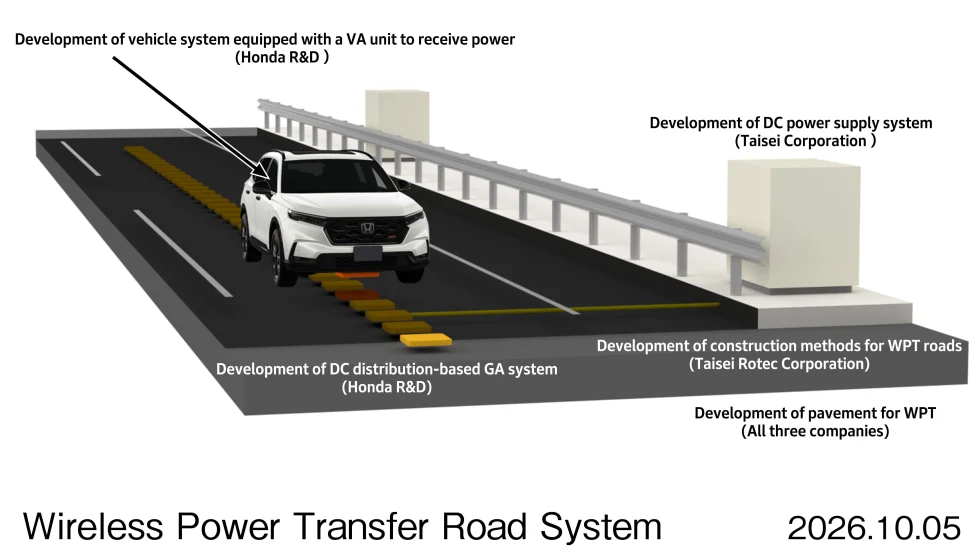
Charging In Motion
Honda has been researching wireless in-motion charging for electric vehicles since 2025, and new technology developments have put it a step closer to a final product.
Read More →
Twin Cities Stores Sell
Minnesota-based Walser Automotive Group made what it called the most significant acquisition in its history with a three-rooftop deal in Minneapolis.
Read More →
U.S. Auto Sales Still Below Prepandemic Levels
Mobility Global industry observers don’t expect the market to return to the higher volumes that became routine before Covid but to stay well below its potential.
Read More →
The Powertrain Shift
Electric-vehicle owners are backpedaling, according to new data, with product availability driving many to shift back to gas-powered engines.
Read More →
Achromatic Autos
The shades that dominate the U.S. car market don’t call attention to themselves, though grayscale may have plateaued after a 30-year upswing, research shows.
Read More →
Used-Vehicle Affordability Worsens
Listing prices in August defied seasonal trends, rising above $27,000 for the second time this year.
Read More →