


Seeing Is Selling!
Intangible products require a different approach.


Rick McCormick
Listen well, go visual, and involve the customer.
The products sold in the F&I office are invisible. Customers buy a tangible product because they can see, touch, smell or test it. However, they buy an intangible product because they see that they need it and what it will do for them. Many who have sold tangible products attempt to sell intangible products with the same efforts. That is a recipe for mediocre success, at best. There are three levels of selling intangible products. And an intentional effort to use the most effective manner, level three, will bring the most success.
LEVEL 1: TELL THEM ABOUT THE PRODUCTS.
This involves an entirely verbal effort to make the products come alive. You can see a certain level of success. However, there are much higher levels of success available for the person willing to go beyond this effort. Many of us were tapped for the F&I office because we were good at talking and knew what to say to a customer. However, the opposite is true in the F&I office. Our ability to listen, not talk, is the key to success. Knowing when to talk and when to listen is crucial. We should be talking 30% of the time and the customer 70% of the time. Developing your listening skills will move you to a higher level of trust with your customers, and they will buy more than you could ever sell them! Let’s move closer to the next level of selling and success!
LEVEL 2: SHOW THEM SOMETHING VISUAL.
Moving beyond just a verbal effort and utilizing visual reinforcement will provide an increase in acceptance levels of your products. Common sense tells us that moving from using just one of the five senses to utilizing two of them will get more buy-in from the customer. Telling a true story of how your product helped another customer makes what you’re selling real. Add to this the actual copy of the repair order that the customer can see, makes the need for the product more compelling. If you want to add the ultimate visual aid, have the actual part of the vehicle covered by the product available for them to see and touch! A damaged wheel or a failed ABS actuator brings reality to the need of the coverage to your customer. This creates a vision of the possible outcomes if something bad happens to them, both with and without your product. Move onto the next level.
LEVEL 3: INVOLVE THE CUSTOMER IN THE LEARNING PROCESS.
To involve three of the five senses, get your customer physically involved. If math is needed to illustrate a benefit of a product, have them open the calculator on their phone and ask them to “help me with the math.” The numbers then become their numbers. And numbers they arrive at add a thousand times more credibility to the process. Selling anything, let alone an invisible product, is not a spectator sport. The customer should always participate in the process of uncovering how they will benefit from the product discussed. This allows them to self-discover their need for the product and how it will benefit them. This is the most effective effort to build value in the products you offer, and produces the best results.
Look around your office. Which visual and tangible tools are available to help customers see and experience products? Brochures are for selling, other visuals are for learning. Choose wisely! The minute you put something into a customer’s hands, they start buying more products. And if a customer can hold something in their hand to illustrate a need for a product, that’s level-three selling and the most effective way to help customers buy the products they need. And a byproduct of level three selling: It is more fun for you and the customer!
I look forward to seeing you on my next post!
Rick McCormick is national account development manager for Reahard & Associates.
Originally posted on F&I and Showroom
More Industry

Achromatic Autos
The shades that dominate the U.S. car market don’t call attention to themselves, though grayscale may have plateaued after a 30-year upswing, research shows.
Read More →
Used-Vehicle Affordability Worsens
Listing prices in August defied seasonal trends, rising above $27,000 for the second time this year.
Read More →
First-Half Dealership Deals Up
Buy-sell activity shows that acquirers are looking for value and scale as many retailers seek to leave an increasingly competitive and complex market, Kerrigan Advisors reports.
Read More →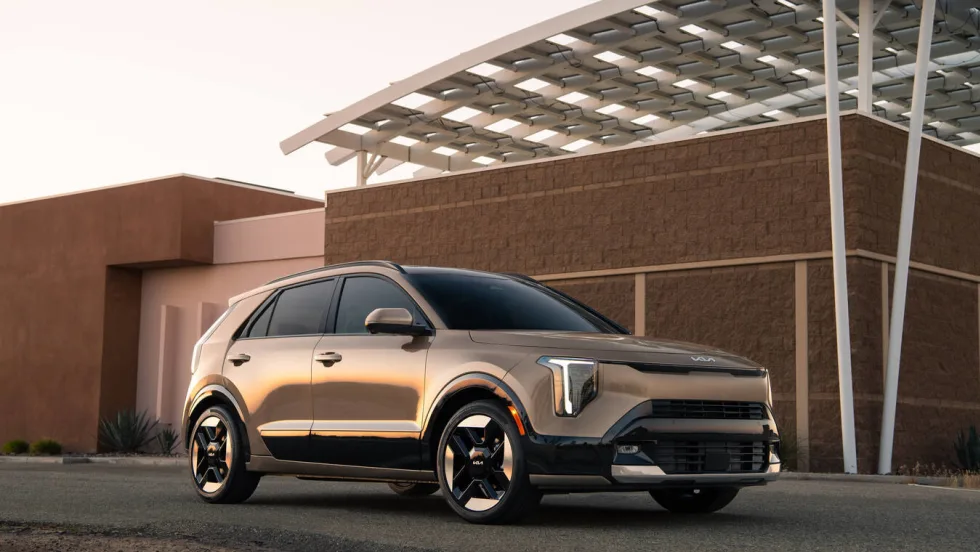
Kia Closes Out Summer With a Bang
Its U.S. subsidiary broke multiple records in August, in part due to a surge of demand for hybrids models.
Read More →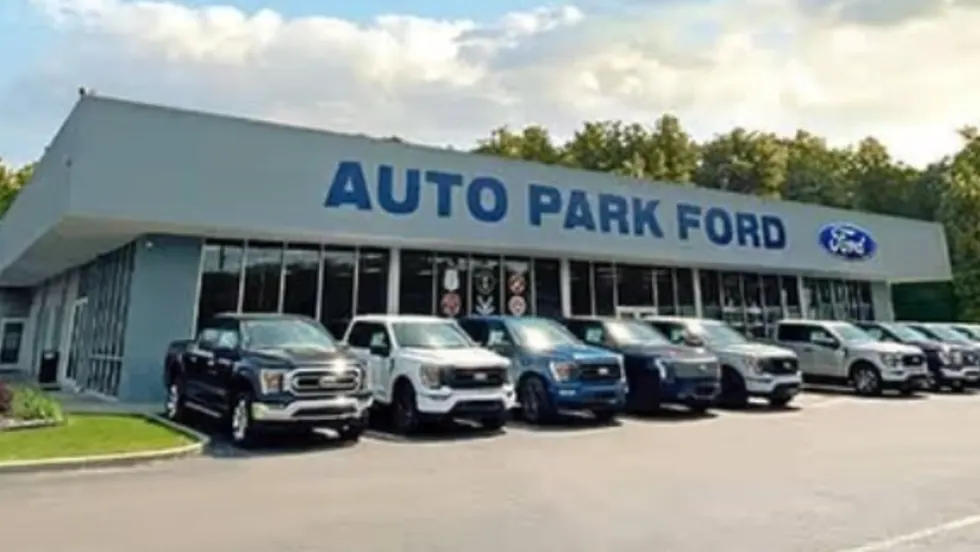
Indiana Dealership Changes Hands
A 30-year-old Ford dealership in Indiana has a new owner and will soon be undergoing renovations to meet manufacturer requirements.
Read More →
Texas Dealership No Longer in the Family
The Ford store, a longtime cornerstone of the Houston market, is now part of one of the fastest-growing U.S. auto groups.
Read More →
Genesis Grows California Presence
The Cardinale Automotive Group opened its third Genesis rooftop in the Golden State, Genesis of San Bruno, a stand-alone dealership serving the San Francisco Bay Area.
Read More →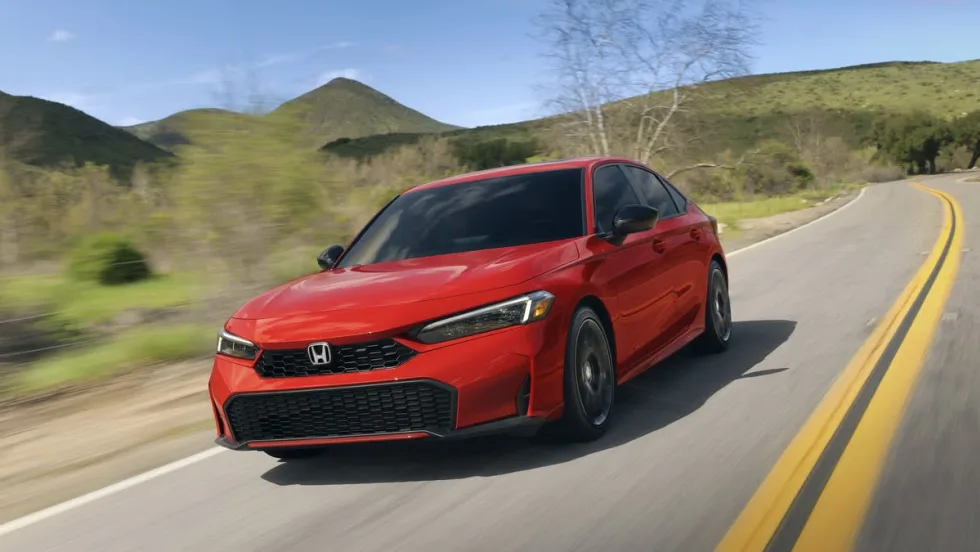
August Auto Sales a Mixed Bag
An early forecast shows strong business despite consumer hurdles, and hybrids are a big piece of their affordability coping strategy.
Read More →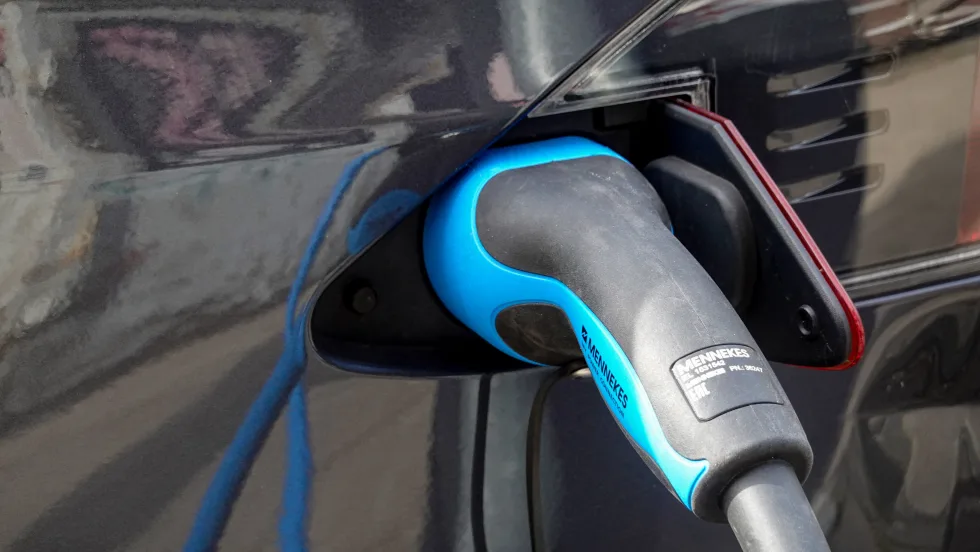
EV Market Humming Along
July sales show steady growth as the segment stabilizes from last year’s artificial surge following pullback of federal support.
Read More →
Auto Loan Delinquency Rates Stabilize
Auto loans are a main driver of nonmortgage consumer debt, but delinquency rates stabilized in the second quarter across all credit risk tiers.
Read More →