


Restoring Consumer Trust and Dealership Profitability Post-COVID
We’re clearly operating in a new normal, but one thing is clear – the dealership that provides the most support and instills the highest level of confidence in their customers will ultimately succeed in the coming months.

We’re clearly operating in a new normal, but one thing is clear – the dealership that provides the most support and instills the highest level of confidence in their customers will ultimately succeed in the coming months.
Image by UNDEFINED via GettyImages.com
The COVID-19 pandemic has delivered a gut-punch to the U.S. economy. Experts at JPMorgan Chase project a 40% decline in gross domestic product in the second quarter. But even more pernicious is the societal impact felt by many in the U.S. The concerns about health and welfare are compounded by shaky employment status and a rapidly sinking consumer sentiment about the overall stability of the economy in general.
The dealership that provides the most support and instills the highest level of confidence in their customers will ultimately succeed in the coming months.
Some pundits share that economic recessions and pandemics have resulted in great advancements. The SARS pandemic of 2002-2004 catalyzed the meteoric growth of ecommerce, fueled by underlying anxiety around traveling and human contact, similar to what we see today with COVID-19. The financial crises of 2008 also produced its own disruptive side effects, including the rise of the gig economy.
Many of the changes felt during the pandemic are direct, short-term responses to the crisis and are expected to revert to regular levels once the pandemic is contained. However, some of the shifts are expected to continue, creating a long-term disruption that will shape businesses for decades to come. The jury is still out on the long-term impact for retail automotive.
There are some bright spots to be found. According to Autodata Corp., April sales of the highly lucrative pickup segment dominated cars in the U.S. for the first time by more than 17,000 units — 186,417 pickups vs. 169,234 cars. Overall, sales for April and early May came in stronger than expected, with inventory numbers dipping thanks to shuttered factories.
Cars are being sold, albeit at much lower numbers than the booming 2019 metrics. The vehicle-purchasing model may look radically different, but consumers still need transportation. Once we return to the new post-COVID-19 normal, there will be a pent-up demand to be satisfied. And, the F&I office will be front and center, addressing consumers’ needs and concerns.
Meeting the Customer’s Needs
What kind of consumer will enter the market post-COVID-19, and what will be their financial temperature? Nearly 34 million Americans have applied for unemployment insurance since early May, versus the average monthly total of 210,000 prior to the pandemic. According to the Federal Reserve System Board of Governor’s latest Report on the Economic Well-Being of U.S. Households, in 2019:
37% of adults would have difficulty covering an unexpected expense of $400.
12% of adults would have been unable to cover an unexpected $400 expense at all.
Considering this report was published at a time when the market was closest to its highest economic level, it illustrates the income fragility among the American public that we are seeing now as a result of the COVID-19 pandemic.
Cox Automotive released a study in May indicating that both dealerships and consumers are relying more heavily on digital tools and resources. According to the study, 88% of dealers are going beyond just doing business in their physical locations. On the consumer side, 62% said they are more likely to complete several steps of the car-buying process online. Moving forward, many are interested in “new ways” of shopping.
With dealerships ramping up online retailing efforts to stay engaged with consumers stuck at home or hesitant to visit a dealership, dealers are also looking for ways to market the value they offer. Shaky economic and labor prospects have consumers looking for financial protection – and dealers are looking for ways to differentiate their dealerships.
All franchise dealers sell a combination of vehicle service contracts (VSC), guaranteed asset protection, and a selection of aftermarket F&I products. Now, dealers are looking for new ways of packaging and marketing those products to tie directly into consumer “care-abouts.” The industry could see greater use of market-differentiating products designed exclusively for driving traffic, more so than increasing back-end profitability.
Debt relief products protect the consumer from taking a financial hit in the event a lay-off or medical situation. The complimentary product allows consumers the option to return their vehicle in the event any of these unforeseen life events occur:
Involuntary unemployment;
Physical disability;
Loss of driver’s license due to medical impairment;
Self-employment personal bankruptcy;
Accidental death;
International employment transfer.
1. For dealers, debt cancellation products are a true point of differentiation and a proven avenue for revenue growth. Complimentary offerings give dealers an effective answer to declining consumer confidence by:
Giving consumers the motivation and confidence to purchase their next vehicle, enabling dealers to sell more units;
Increasing customer satisfaction, driving repeat business;
Preserving their customers’ credit for future purchases.
2. They also give dealerships an invaluable market intangible – customer trust. Dealers positioning themselves as having their customer’s financial health in mind will make stride in restoring trust while generating revenue.
We’re clearly operating in a new normal. But one thing is clear – the dealership that provides the most support and instills the highest level of confidence in their customers will ultimately succeed in the coming months.
Eric Fifield brings more than 26 years of automotive industry experience to EFG Companies in his role as chief revenue officer.
Originally posted on F&I and Showroom
More Industry

Achromatic Autos
The shades that dominate the U.S. car market don’t call attention to themselves, though grayscale may have plateaued after a 30-year upswing, research shows.
Read More →
Used-Vehicle Affordability Worsens
Listing prices in August defied seasonal trends, rising above $27,000 for the second time this year.
Read More →
First-Half Dealership Deals Up
Buy-sell activity shows that acquirers are looking for value and scale as many retailers seek to leave an increasingly competitive and complex market, Kerrigan Advisors reports.
Read More →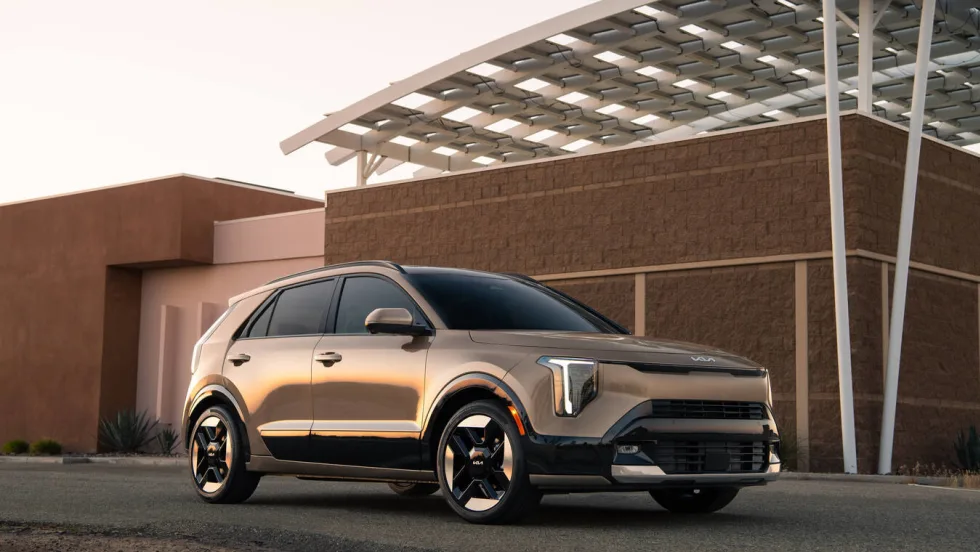
Kia Closes Out Summer With a Bang
Its U.S. subsidiary broke multiple records in August, in part due to a surge of demand for hybrids models.
Read More →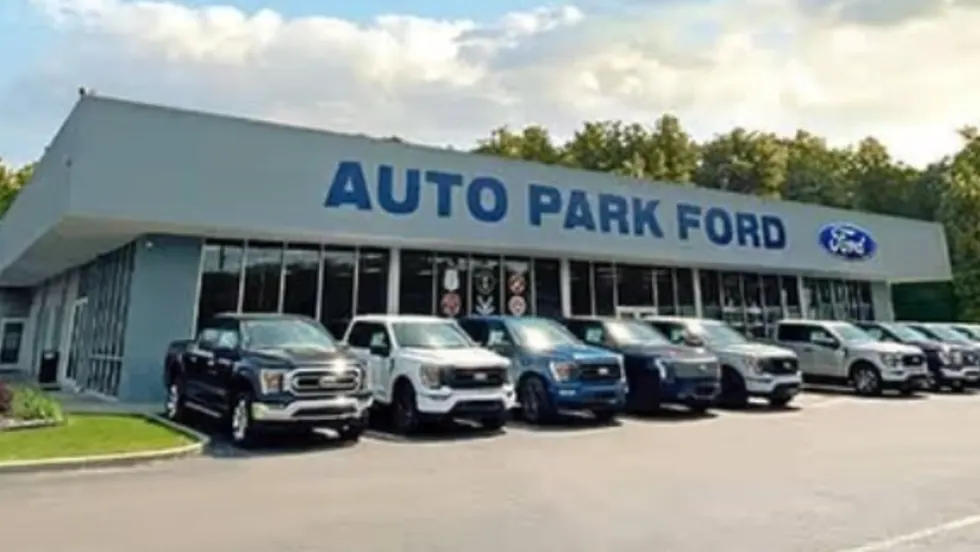
Indiana Dealership Changes Hands
A 30-year-old Ford dealership in Indiana has a new owner and will soon be undergoing renovations to meet manufacturer requirements.
Read More →
Texas Dealership No Longer in the Family
The Ford store, a longtime cornerstone of the Houston market, is now part of one of the fastest-growing U.S. auto groups.
Read More →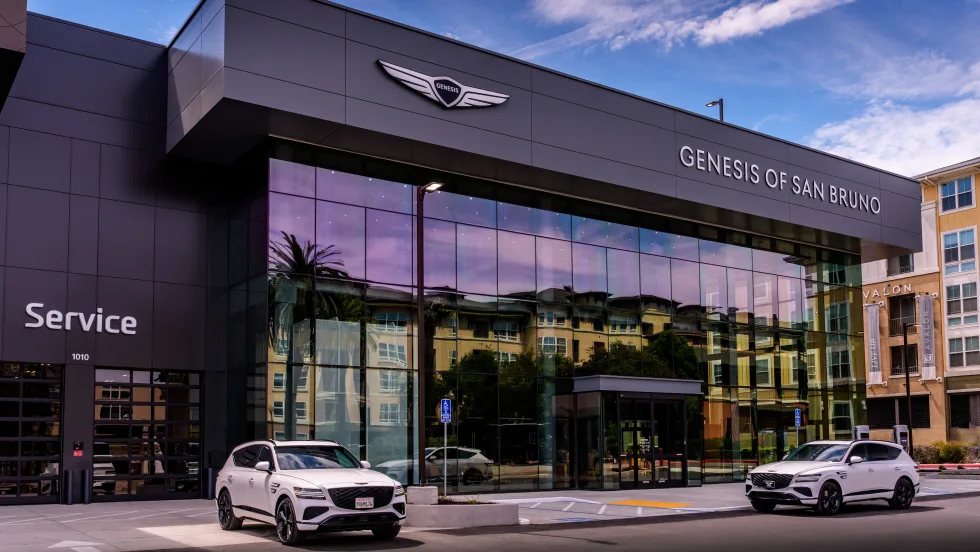
Genesis Grows California Presence
The Cardinale Automotive Group opened its third Genesis rooftop in the Golden State, Genesis of San Bruno, a stand-alone dealership serving the San Francisco Bay Area.
Read More →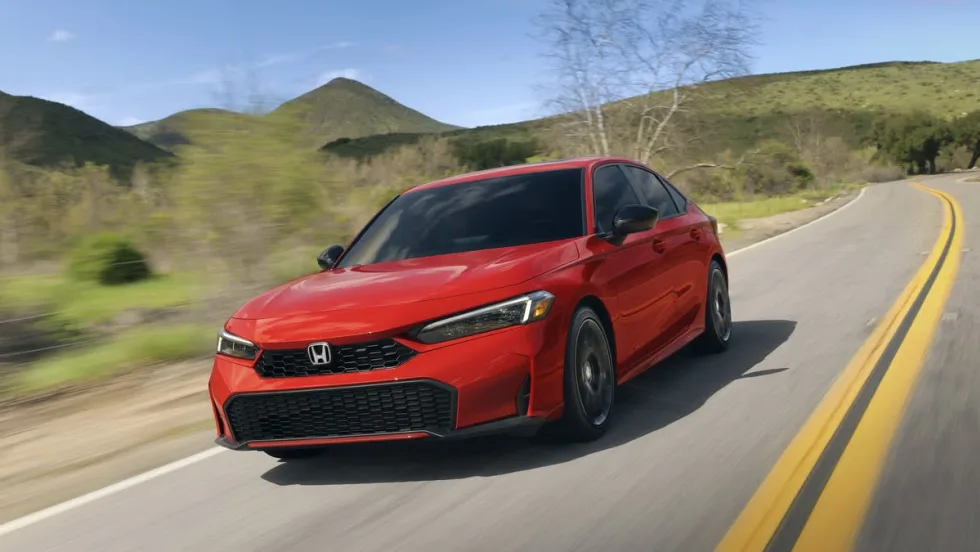
August Auto Sales a Mixed Bag
An early forecast shows strong business despite consumer hurdles, and hybrids are a big piece of their affordability coping strategy.
Read More →
EV Market Humming Along
July sales show steady growth as the segment stabilizes from last year’s artificial surge following pullback of federal support.
Read More →
Auto Loan Delinquency Rates Stabilize
Auto loans are a main driver of nonmortgage consumer debt, but delinquency rates stabilized in the second quarter across all credit risk tiers.
Read More →