


Safety First
Selling EVs presents extra responsibility for the dealer and the buyer. You can take it on and help your customers manage risk at home.


One of the most important things auto dealers should have in place is a plan to move an EV if its battery overheats so people or property aren't in harm's way if it catches fire or explodes.
Pexels/Pixabay
Electric vehicles have introduced myriad changes to the automotive industry, even before they reach the critical mass of mainstream adoption.
Many tend to cost more to buy and insure than gas-powered vehicles, require new knowledge on the part of the dealer and the buyer to keep them fueled, and come with different incentives to buy.
Another less frequently discussed difference is their batteries. Like the vehicles themselves, they’re significantly more expensive and a big reason EVs weigh a lot more than vehicles powered by internal combustion engines.
And if not handled properly, they can catch fire and therefore require an added layer of knowledge and care. The chemical reactions they use to store and release energy are more aggressive and require a better design, plus more careful handling once the car leaves the factory.
Taking steps to prevent EV battery fires and respond to any fires that break out despite your preparation are key considerations when selling these newer cars on the lot. It’s also wise to share such information with EV buyers so they’re prepared once they take ownership.
Weighing Time
Start with those added pounds EV batteries pack. In addition to making the EV itself heavier, so much so that its tires tend to wear out faster than those on ICE vehicles, the excess weight makes it essential that dealerships prepare to move them fast in the event of a fire.
The batteries weigh anywhere from 660 pounds to a whopping 2,900 pounds in the case of the Hummer, depending on the battery technology and the vehicle the battery powers, says Dan Hornback, assistant vice president, senior principal risk engineer technical director WC and fleet for insurer Zurich North America.
The company, far from discouraging EV adoption, actually encourages it due to its focus on sustainability, though as an insurer it obviously wants to minimize any dangers.
Hornback recommends auto dealers establish a plan to move an overheated EV battery that could lead to a fire or explosion, with an eye to getting it outdoors and away from any structures or vehicles as fast as possible.
“It’s ideal to have just-in-time delivery where you have a limited number of batteries on-site,” he says. Barring that, dealers can use forklifts, carts or other equipment to move batteries as needed, at least until solid-state batteries of greater stability and smaller size become widely available.
“You need a plan to push the vehicle safely outside of any dealership buildings, put the vehicle in neutral and push it out of an exit,” advised Vayan Group Executive Vice President Stan Patterson, who also recommends dealerships develop evacuation procedures in the event of a fire and establish regular EV temperature monitoring to get ahead of any internal fires.
Vayan is a quality assurance provider that works with carmakers to get EVs to consumers with no battery safety issues via inspections and reworking components across manufacturing in North America; supplier production quality assurance; and triaging vehicles that present quality issues before shipping. The company has dealt with EV battery fires at plants and on the road headed to dealerships.
“Problems that could result in fires are not a high-frequency incident, and they should be caught during quality processes in production prior to shipping,” Patterson says. “While there have been certain vehicles that have had slightly higher incidences, we don’t see this as a very high risk post-shipment of new vehicles.”
Sometimes, though, excess stress on the vehicle from unusually high mileage and the more frequent charging to support it mean defects manifest themselves.
Putting Out Fires
With that reality in mind, dealerships should have adequate fire extinguishing equipment on hand and a plan to bring in local firefighters if things get out of hand, the experts said. That should include an Early Suppression Fast Response, or ESFR-rated sprinkler system, Patterson advises.
EV battery fires, for one, require much more water applied for a much longer period of time than other types of fire in order to extinguish them, says Hornback, who also advises that dealerships have a plan to drain the water in a way that eliminates any environmental pollution.
“The technology’s moving so quickly, there are a lot of different products out there.”
Service Considerations
Overall, the batteries can’t be approached in the same way ICE engines and fuel tanks are, and the service drive can be a kind of safety barrier when it comes to consumers bringing in their EVs for repair or maintenance.
Technicians must be trained to work on EVs so they can keep themselves and everyone else safe, both experts say. That means they need a high-voltage certification.
“EVs carry potentially lethal, high voltages that are similar to substations found in large buildings,” Patterson says. “Anyone working around it needs to realize the potential risk and understand how to mitigate it.”
Training for the certification teaches technicians to drain a battery’s voltage and disable its voltage cable before working on an EV so they don’t shock themselves or cause a fire. An untrained technician could accidentally start a fire by disconnecting a part incorrectly, Patterson says.
But even before an EV rolls into the service drive, the dealership should get as much information on the vehicle as possible, as well as inspect it, Hornback says.
“Has it been in a crash? Has it been in a flood? The more the dealership can understand about the vehicle, the better. If you don’t have that information, you can park it outside and away from other vehicles or structures.”
Battery damage can cause corrosion that can lead to fire, he points out.
Consumer Guidance
Along with covering how to safely work with EVs at their facilities, dealerships should also help EV buyers know how to handle them once they drive them off the lot.
For starters, owners should have any home charger installed outside the home, not in the garage as many tend to want, says Hornback, whose own home charger sits next to his driveway. At the least, he says, they should know what their car’s manufacturer recommends.
Once set up with an EV, owners should get in the habit of starting it daily, Patterson says, reviewing the service lights, which will warn them of any overheating problem before the battery sparks or overheats.
Then, if they get a warning about rising temperature or the like, they should immediately call their dealership, he says.
If a fire breaks out despite the precautions, the owner should quickly move themselves and any key fobs away from the vehicle, Hornback warns – some fobs can restart the car – warning anyone else away from it and calling 911.
Hannah Mitchell is executive editor of Auto Dealer Today. A former daily newspaper journalist, her first car was a hand-me-down Chevrolet Nova.
Originally posted on Auto Dealer Today
More Product & Technology

Set Yourself Apart
Product providers can follow the lead of industry cohorts in the practice of leveraging their brands through private labeling, pumping new energy into their platforms to stand out from competitors.
Read More →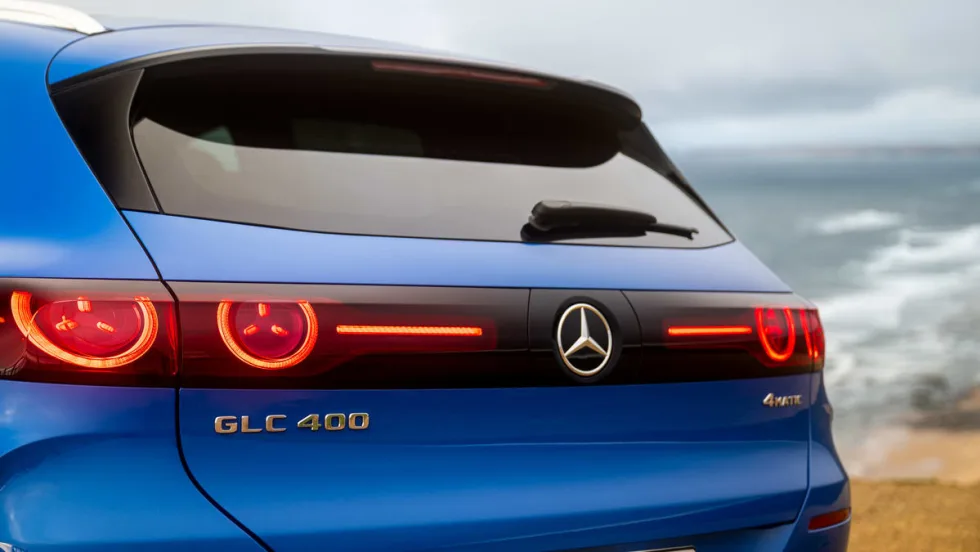
EVs Excel at Longevity
Research finds that after a certain mileage point, they outlast gas and diesel vehicles despite being driven more.
Read More →
Integrating AI Into Your Admin System
It’s important for finance-and insurance administrators to build the technology into their existing systems instead of bolting it on.
Read More →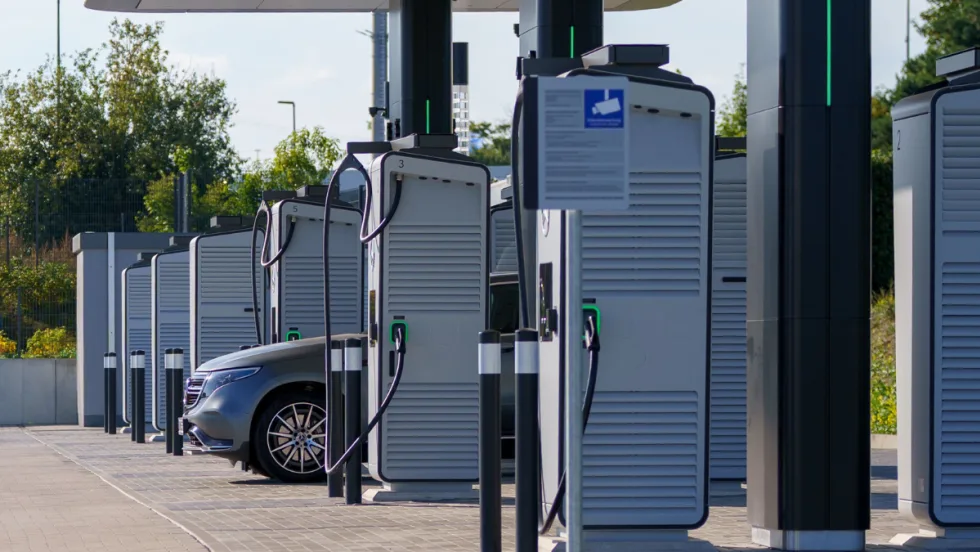
Public EV Charging Improves
The infrastructure buildout in the U.S. is providing more availability and safety at a better cost, according to the latest EV experience study by JD Power.
Read More →
AI in the Dealership
A Cox Automotive poll shows most dealers use it, but only some have found the smartest ways to adapt the surging technological sensation.
Read More →
AAA Honors Service and Repair Facilities
Three automotive dealerships made AAA's Service Providers of Excellence and Best in Repair list this year.
Read More →
EFG Launches Product Admin Platform
The company says the offering is designed to empower administrators, service contract providers, and product marketers to expand automotive and power-sports capabilities.
Read More →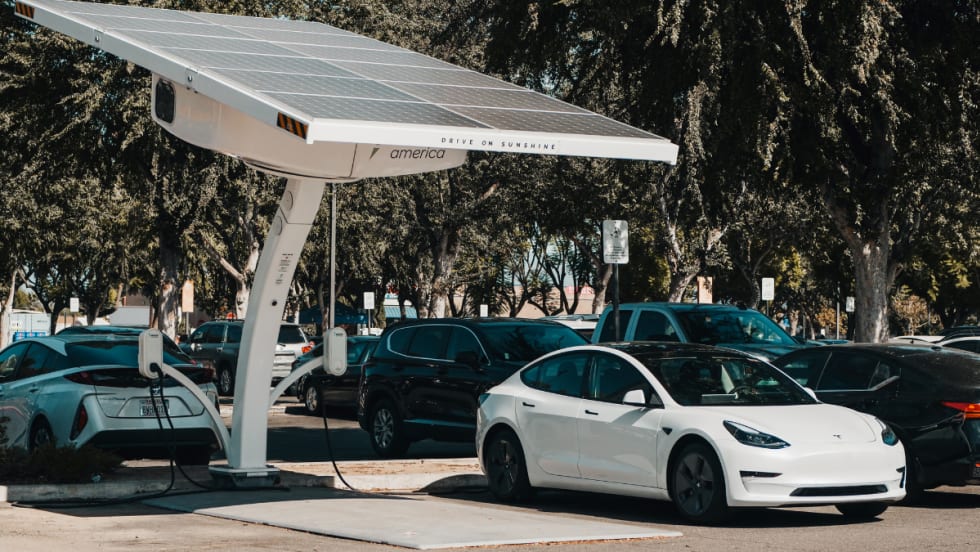
Optimized Charging Could Reduce Costs
According to an Alliance for Automotive Innovation analysis, optimized EV charging could cut costs for drivers and improve grid infrastructure - potential adoption incentives.
Read More →
From Inspection to Impact
Data, video and artificial intelligence are driving service performance today, when inspection performance is closely tied to key business outcomes.
Read More →
Car Karaoke Gets Official Platform
The in-vehicle karaoke and sing-along platform by Samsung arm is meant to add traveling enjoyment safely in technology that automakers can tailor to their specific needs.
Read More →