


Solving Affordability and Negative-Equity Challenges
Facing these realities should be a key strategy for automotive dealers.

Offering affordable payments tied to consumer pay cycles is more than a strategic advantage—it’s a necessity.
Pexels/Jonathan Borba
As the automotive industry evolves, so do the financial challenges faced by both consumers and dealers. Rising vehicle prices and elevated interest rates have pushed monthly car payments to record highs, creating significant affordability barriers for many buyers. With approximately 70% of Americans living paycheck to paycheck, this trend has a direct impact on consumers’ purchasing power and their ability to afford vehicles. To face these challenges, dealerships must embrace more affordable payment options that align with consumer pay cycles, offering a win-win solution for both dealers and customers.
The Paycheck-to-Paycheck Reality
Almost all Americans, 95%, are paid weekly, biweekly, or twice per month. For these consumers, budgeting is often a challenging process that requires them to align the timing of loan and bill payments with their cash flows. Yet traditional monthly car payments don’t always mesh well with weekly, biweekly and twice-per-month pay schedules, leading to increased financial strain, budgeting difficulties, and less ability to purchase vehicles and protection products. By offering payments that match consumers’ pay cycles, dealers can provide easier and more affordable payments for customers.
Affordability Challenges
Today’s vehicle-financing environment is marked by escalating monthly payments, which now average over $740 for new cars and $500 for used vehicles. As affordability remains a top concern, dealers must adapt their offerings to accommodate their buyers and provide more customer-centric solutions.
Negative-Equity Challenges
Today’s vehicle-financing environment is marked by escalating negative equity. According to Edmunds, in 2024, 25% of trade-ins had negative equity. That was up from about 20% in 2023. The average amount owed reached an all-time high of $6,838, while about one in four car owners with negative equity owed more than $10,000.
The Case for Customer-Centric Payments
Offering payments that align with customers’ pay cycles presents several benefits:
1. Enhanced affordability and F&I opportunities: Lower, easier automated payments allow consumers to fit their car payments into their pay cycles more easily, leaving room for additional F&I products. This approach enables customers to better afford protection products, like warranties, gap insurance, and service plans—boosting dealership revenue. Data from dealers show that customers buy 1½ more products per deal with easier payments that match their pay cycles. Further, transactions are faster and more profitable because customers more often accept first-pencil offers from the sales desk when the lower and easier payments that match their pay cycles are offered on first pencil.
2. Reduced negative equity: Affordable, automated payments help customers pay off their loans more quickly, improving equity positions and reducing negative-equity situations. This positions buyers to trade their vehicles sooner and with better equity positions, fostering long-term customer loyalty and repeat business for dealers.
3. Increased customer satisfaction: Offering payments that align with consumers’ pay cycles demonstrates a dealership’s commitment to understanding and addressing their customers’ needs. This not only enhances the buying experience but also builds trust and convenience, critical factors in today’s competitive market.
The Path Forward for Dealers
To implement more affordable weekly, biweekly and semimonthly payment options, dealers should partner with payment providers who understand the value of tailoring financing solutions, and integrate with existing dealer software. Integrating lower and easier payments into existing workflows at the sales desk and in F&I offices is essential for streamlining customer-centric sales presentations that maximize customer satisfaction and profits.
By prioritizing affordability and aligning payments with consumers’ pay cycles, dealerships can better serve customers and improve retention rates.
Conclusion
In an era when affordability challenges dominate the automotive market, dealers must adapt to meet consumer needs. Offering affordable payments tied to consumer pay cycles is more than a strategic advantage—it’s a necessity. This approach not only addresses the economic realities of today’s buyers but also enhances dealership profitability by fostering customer loyalty, boosting F&I product penetration, increasing front gross, and reducing negative equity and trade cycles. By offering flexible payment solutions, dealers can position themselves as true partners in their customers’ buying process and financial success.
David Engelman is CEO of SmartPay, a provider of automated payments that match how consumers get paid and budget and winner of Dealers’ Choice Awards for 17 consecutive years.
EDITOR’S NOTE: This article was authored and edited according to F&I and Showroom editorial standards and style. Opinions expressed may not reflect that of the publication.
Originally posted on F&I and Showroom
More Product & Technology

Set Yourself Apart
Product providers can follow the lead of industry cohorts in the practice of leveraging their brands through private labeling, pumping new energy into their platforms to stand out from competitors.
Read More →
EVs Excel at Longevity
Research finds that after a certain mileage point, they outlast gas and diesel vehicles despite being driven more.
Read More →
Integrating AI Into Your Admin System
It’s important for finance-and insurance administrators to build the technology into their existing systems instead of bolting it on.
Read More →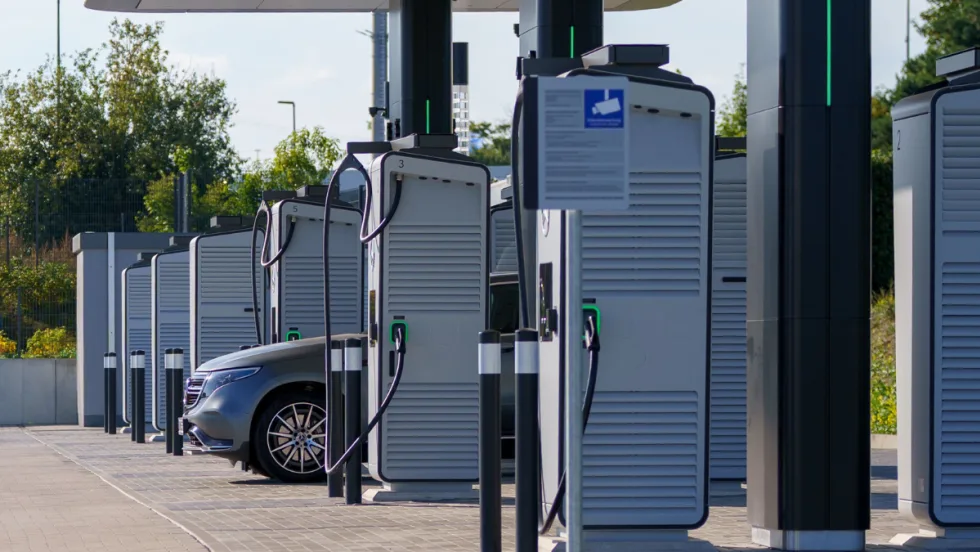
Public EV Charging Improves
The infrastructure buildout in the U.S. is providing more availability and safety at a better cost, according to the latest EV experience study by JD Power.
Read More →
AI in the Dealership
A Cox Automotive poll shows most dealers use it, but only some have found the smartest ways to adapt the surging technological sensation.
Read More →
AAA Honors Service and Repair Facilities
Three automotive dealerships made AAA's Service Providers of Excellence and Best in Repair list this year.
Read More →
EFG Launches Product Admin Platform
The company says the offering is designed to empower administrators, service contract providers, and product marketers to expand automotive and power-sports capabilities.
Read More →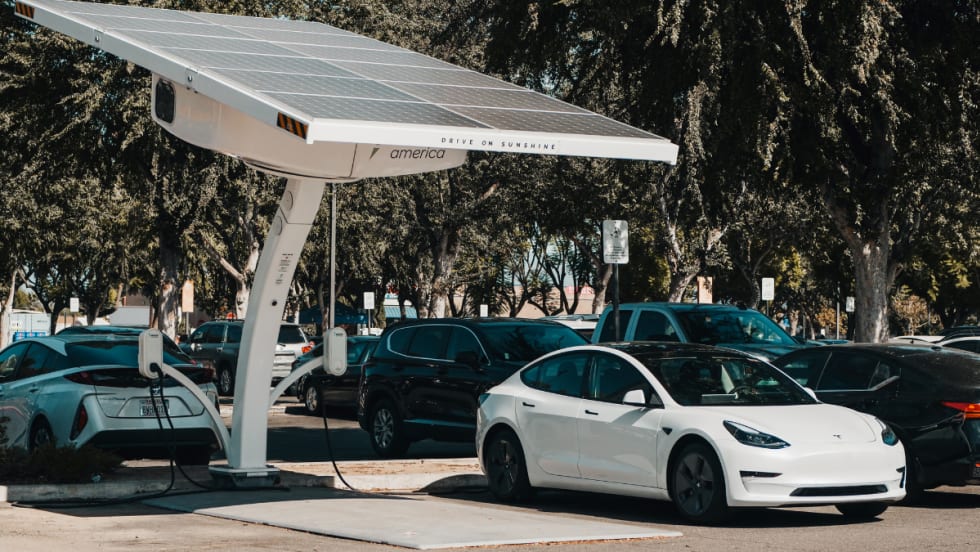
Optimized Charging Could Reduce Costs
According to an Alliance for Automotive Innovation analysis, optimized EV charging could cut costs for drivers and improve grid infrastructure - potential adoption incentives.
Read More →
From Inspection to Impact
Data, video and artificial intelligence are driving service performance today, when inspection performance is closely tied to key business outcomes.
Read More →
Car Karaoke Gets Official Platform
The in-vehicle karaoke and sing-along platform by Samsung arm is meant to add traveling enjoyment safely in technology that automakers can tailor to their specific needs.
Read More →